

Flock loss during climate-control failure
Fan, heater, or power failure can threaten a densely housed flock before repairs are complete, creating a bird-loss exposure beyond the machine itself.
Try a different word, or check the spelling.
You can own the poultry houses while the integrator owns the birds. That arrangement matters when deciding whose losses your insurance needs to address.
The Southern Agency can assist you in reviewing your broiler farm’s infrastructure and integrator agreements.
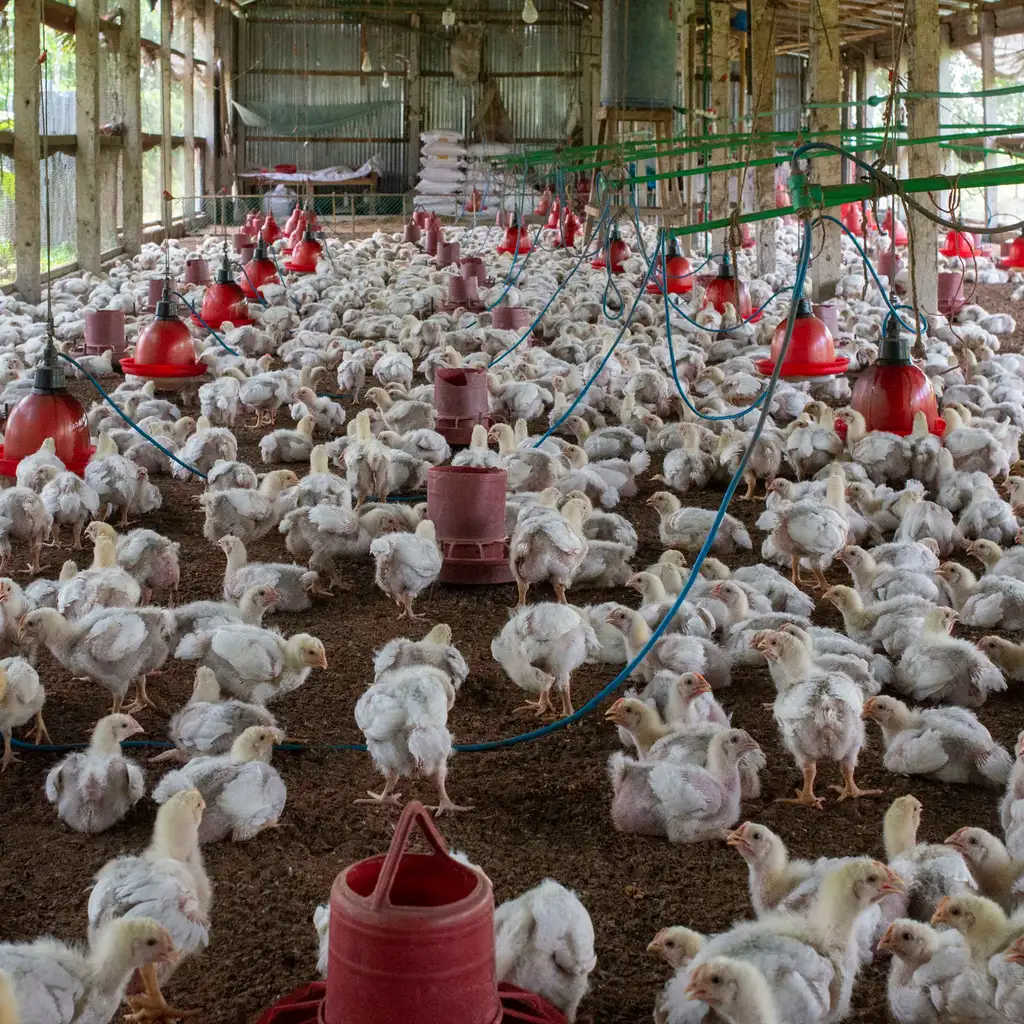
You raise broiler chickens in houses that rely on ventilation, heat, and dependable power. A fan or electrical failure can threaten birds before repairs are complete, while damage to a poultry house can interrupt the next growing cycle.
The Southern Agency can review your houses, backup systems, and grower agreement to help you choose insurance. We can compare property and equipment protection with any accepted bird-mortality or grower-income benefits rather than assuming one payment addresses every loss.
Fan, heater, or power failure can threaten a densely housed flock before repairs are complete, creating a bird-loss exposure beyond the machine itself.
A fire can damage the house, attached systems, and birds while interrupting future placements; these are separate financial interests.
Disease can lead to mortality, depopulation, movement restrictions, and delayed placements, none of which should be assumed covered by building insurance.
Litter handling, mortality disposal, and ammonia can generate cleanup, odor, or nuisance allegations, including at disposal locations.
A failed feeder, waterer, fan, generator, or alarm can disrupt care even if other house systems continue operating.
The integrator agreement may allocate bird ownership, mortality responsibility, insurance obligations, and interruption of payments differently from the grower's policies.
Policies to ask about. Which ones fit depends on your operations, your contracts, and the carrier’s forms.
These hypothetical examples are not agency claim results. Whether a loss is covered depends on the facts, policy terms, and applicable exclusions.
Hypothetical: a fan motor fails and birds die before ventilation is restored. Equipment breakdown might pay for an insured motor failure, while an animal exclusion leaves the flock uninsured. Any mortality coverage must address this cause, these birds, and the grower's insured interest.
Hypothetical: an electrical fire destroys a house and interrupts flock placements. Property coverage may pay for covered building damage, subject to valuation and limits. Birds and lost grower payments require separate review; a building payment does not establish either.
Hypothetical: a catch-crew worker is injured during loading. Workers compensation may respond under the actual employer's policy and applicable state rules. If the grower is sued, liability coverage must be reviewed for employee, employer-liability, and contractor-related exclusions.
Start with the work you do and the questions your current policies leave unanswered. Carrier options depend on your location, risk, and underwriting. Explore our approach.
Separate the failed machinery from the birds. Equipment breakdown can exclude animals even when it covers the fan repair. Review any mortality coverage for ventilation failure, off-premises power loss, insured ownership, limits, and conditions before relying on it.
It may impose insurance requirements, but the actual agreement controls. Compare its limits, insured parties, bird-loss responsibility, and indemnity with the policy endorsements; contractual compliance is not a promise that every loss is insured.
Do not assume property or equipment coverage insures disease or depopulation. USDA HPAI assistance has its own eligibility, valuation, and approval rules: APHIS distinguishes birds destroyed under the program from birds already dead of HPAI. It is not a substitute for confirming the grower's own loss, including interrupted payments.
Litter, mortality disposal, and ammonia can lead to cleanup or nuisance claims. Compare those activities and locations with the environmental form; a general reference to pollution coverage does not establish coverage for every emission or disposal practice.
Property insurance may cover a fire to insured houses and systems. Check replacement valuation, debris removal, deductibles, and building limits. Live birds and missed grower income are separate questions even when the fire itself is covered.
House construction and values, flock capacity, climate and backup systems, employment, disposal practices, and loss history are useful underwriting information. Pricing and eligibility require review of the actual operation.
Bring your questions, current policies, and relevant contracts. An agent can review coverage terms, exclusions, and the information carriers ask for, then explain the options available to you.