Skip to content

Vegetable Farm Insurance

If you sell CSA shares, customers are buying a season's commitment as well as this week's vegetables. That promise deserves a different insurance discussion from damage to a cooler or a product-injury claim.

The Southern Agency can help you review your farm's protection from harvest through market delivery.

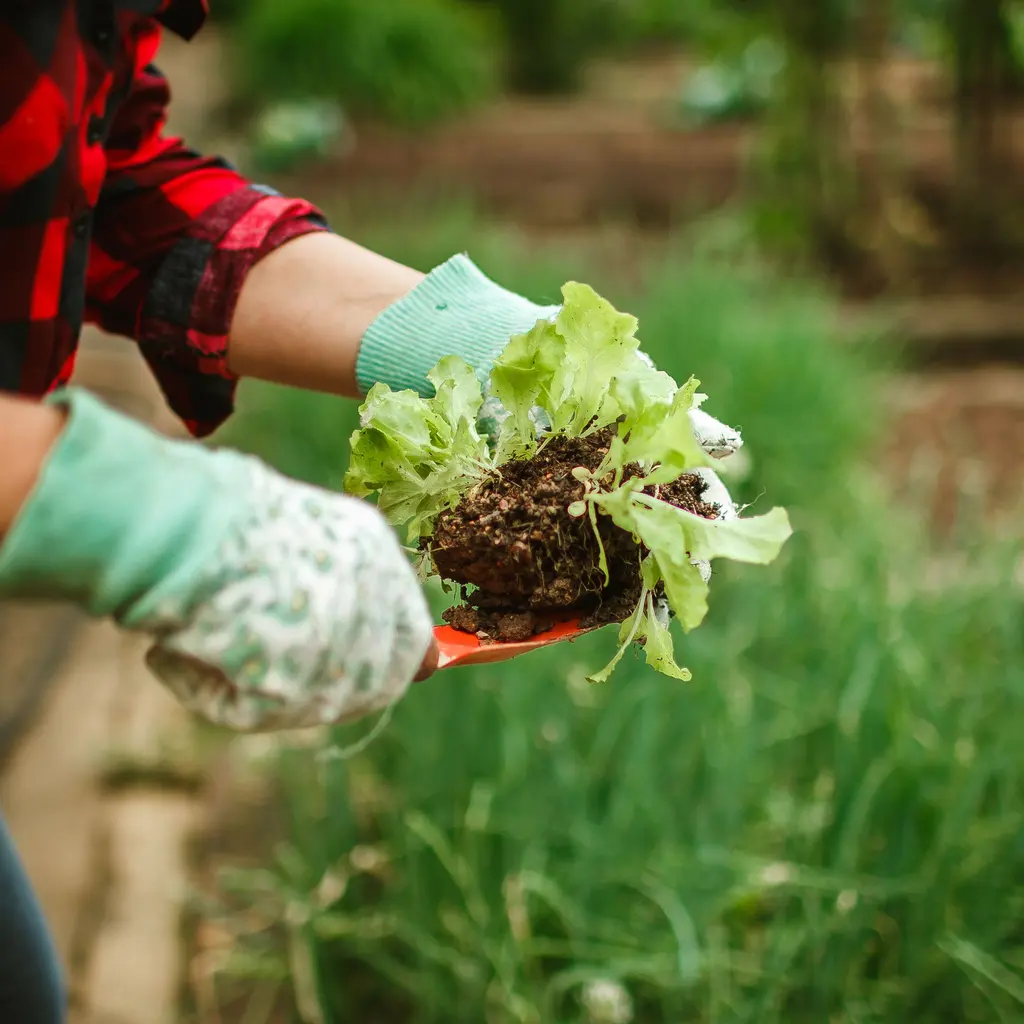
Gloved hands holding a lettuce plant above a cultivated garden bed.

Industry overview

You grow vegetables for wholesale buyers, CSA members or market customers. A cooler failure can spoil harvested lots, while illness allegations or unfilled orders can disrupt sales and create different liability and contract questions.

The Southern Agency can review your handling and packing processes to help you select appropriate insurance. We can discuss how your coverage applies to vegetable spoilage following a mechanical breakdown versus the liability involved in your market-stall interactions with the public.

Risks worth discussing

Foodborne illness and withdrawal

Contamination associated with water, animals, handling or packing can lead to illness allegations or removal from sale. A reported injury and the costs of testing, withdrawing or replacing vegetables are separate losses.

Harvested-stock deterioration

Cooling or transport interruptions can affect harvested vegetables. Establish the crop, prior condition, handling and the interruption's cause and duration; a buyer's rejected load is not by itself proof of insured spoilage.

Planting, harvest and packing injuries

Hand work, knives, conveyors, and field machines create different injury exposures. Farm employees and labor-provider crews need their actual employers, tasks, and work states identified.

Water and chemical incidents

Irrigation, washing water, fertilizer, pesticide and fuel operations can create crop-condition, contamination or runoff questions. Describe actual substances, sites and operators instead of presuming every grower uses the same inputs or methods.

Packing and cooling interruption

A washing-line, packing or cooling failure can affect equipment, harvested lots and dispatch. Machine repair, ordinary wear, stock damage, and missed deliveries need different causes and terms.

Quality and supply commitments

Buyer specifications, delivery schedules, market conditions and CSA promises can create rejection, refund or replacement demands. Contract responsibility can extend beyond physical damage or a covered product-injury claim.

Coverage worth discussing

Policies to ask about. Which ones fit depends on your operations, your contracts, and the carrier’s forms.

Situations to think through

These hypothetical examples are not agency claim results. Whether a loss is covered depends on the facts, policy terms, and applicable exclusions.

  1. Hypothetical: Lettuce is withdrawn after illness allegations

    Hypothetical: illnesses are alleged from a lettuce lot and buyers withdraw it. Applicable product liability may address covered injury claims and defense. Testing, retrieving and destroying stock, replacement and buyer charges require separate recall or contamination terms; an injury claim does not establish all withdrawal costs.

  2. Hypothetical: Cooler failure affects packed vegetables

    Hypothetical: a compressor fails before collection and packed vegetables deteriorate. Eligible breakdown terms may address the machine, while stock payment needs the included goods, cause, condition, and limits. Outside power, wear, temporary cooling, buyer rejection, and missed CSA boxes can have different treatment.

  3. Hypothetical: A packing worker is injured

    Hypothetical: a worker is injured at a conveyor. Applicable workers compensation may address benefits under the actual employer, work state and policy. Establish whether the person works for the grower, labor provider or outside packer; a farm liability policy or contractor certificate does not determine every worker's protection.

Before you talk to an agent

What to have ready

Tick items as you gather them. Nothing here is saved or sent.

Questions to raise

  • Map vegetables and owners from the field to harvested lots, packing, storage, and buyer acceptance. Compare peaks by site and season rather than just acreage or annual sales. Growing-crop protection needs its own review of commodity, location, practices, causes, and period; a cooler schedule is not proof of crop eligibility.
  • Separate injury claims from withdrawal, testing, disposal, replacement, and buyer charges. Describe water and handling arrangements, outside packers, lot identification, and any cutting or further processing. Food-safety duties depend on the commodity and activities, with applicable exemptions or modified requirements confirmed by qualified advisers rather than presumed from farm size or an audit.
  • Trace cooler, irrigation, washing and packing failures through machine repair, growing crop, harvested stock, temporary arrangements, and income. Compare internal failure with outside utility interruption and wear. A missed harvest or shipment needs the relevant trigger and time provisions, not an assumption that all lost sales follow a repair claim.
  • Describe the actual wholesale, CSA, market, stand, and public-activity mix. Read quality, quantity, delivery, substitutions, and refund commitments separately from insured damage. A market's requested liability limit does not establish every activity, product or contractual cost is covered.
  • Include planting, harvest, packing and sales crews, labor providers, mobile equipment, rented fields, and chemicals actually used. Review worker duties, environmental operations, and provider responsibilities alongside the machinery values; no single production or seasonal-payroll label resolves them.

Contract terms to check

  • Read buyer and packer terms for specifications, sampling, acceptance, quantity, delivery, ownership, rejection, and withdrawal decisions or charges. A grade failure or promise to reimburse a retailer can exceed insured product injury or stock damage.
  • Review CSA subscriptions and market or stand arrangements for what is promised, substitutions, missed collections, refunds, activities, and insurance requests. A seasonal share, missed box or vendor certificate does not by itself establish crop, income or visitor protection.
  • Allocate washing, packing, temperature control, custody, loading, and transport duties with outside providers. Compare the farm's direct stock interest with a provider's legal liability and cargo terms; neither hiring a packer nor seeing its certificate guarantees reimbursement for every affected lot.
  • Compare land and equipment leases, lender interests, and labor-provider duties with actual endorsements and insured parties. Keep private buyer audits, indemnities and limit requests separate from applicable food, worker, road, chemical, and environmental rules. Routine food-safety work and a supplier warranty are not insurance for every contamination or delivery loss.

What the agent conversation looks like

Start with the work you do and the questions your current policies leave unanswered. Carrier options depend on your location, risk, and underwriting. Explore our approach.

  1. ListenReview your operations, current coverage, and past claims.
  2. AssessIdentify potential hazards and discuss ways to reduce risk.
  3. BuildDiscuss policy and carrier options, premium costs, and audits.
  4. SupportReview changes and help you plan ahead as your needs develop.

Questions owners ask

Does product liability include a vegetable recall?

Not automatically. Injury or property-damage claims and defense differ from testing, withdrawing, disposing of or replacing vegetables and from buyer charges. Compare actual recall or contamination terms, including withdrawal without reported injury, rather than assume all costs belong to product liability.

Does a cooler repair include all vegetables held inside?

Check eligible machinery and cause, then stock ownership, location, prior condition, spoilage terms, and limits. Outside power and wear can be treated differently. Buyer rejection, temporary storage and missed boxes or orders need their own review rather than being inferred from the repair claim.

What changes when I sell CSA boxes or at markets?

Describe packing, collections, delivery, market sites, stands, and any public picking or events. Compare visitor and product terms with actual activity and location. Subscription quantity, substitutions, refunds, and market insurance requests are private commitments, not proof of every insured loss.

Does a buyer audit decide my food-safety duties or coverage?

No. Review the rules that apply to your crops and activities, including any relevant exclusions or modified requirements, with qualified food-safety advisers. Compare the buyer's private audit, indemnity, limits, and withdrawal terms separately with policies. Passing the audit or holding a certificate does not amend insurance.

Does property insurance for the packing shed include growing vegetables?

Do not infer that. Review the actual crop, location, production practices, causes, and period separately from structures and harvested stock. Any proposed crop protection needs current eligibility and terms confirmed; this page does not establish a program for every vegetable or production method.

Who is responsible for harvest and packing crews?

Identify the actual employers, work states, tasks and payroll and review labor-provider or outside-packer arrangements under applicable rules. Seasonal, part-time and contractor labels do not settle every obligation or benefit. Farm liability and a provider certificate are not substitutes for that review.

Talk through your vegetable farm coverage

Bring your questions, current policies, and relevant contracts. An agent can review coverage terms, exclusions, and the information carriers ask for, then explain the options available to you.

How can we help you get started?

Choose the quote that fits, and we’ll take it from there.

Have a question? Contact us