

Storage climate-control failure
Ventilation, cooling or humidity-control failures can affect stored crop condition. Actual lot condition, variety and failure duration influence the outcome.
Try a different word, or check the spelling.
Filling a potato cellar is the start of another period of care, not the end of your crop's value. Storage controls and the potatoes they protect need separate insurance attention.
The Southern Agency can help you review insurance coverage for your harvesting, storage, and transport activities.
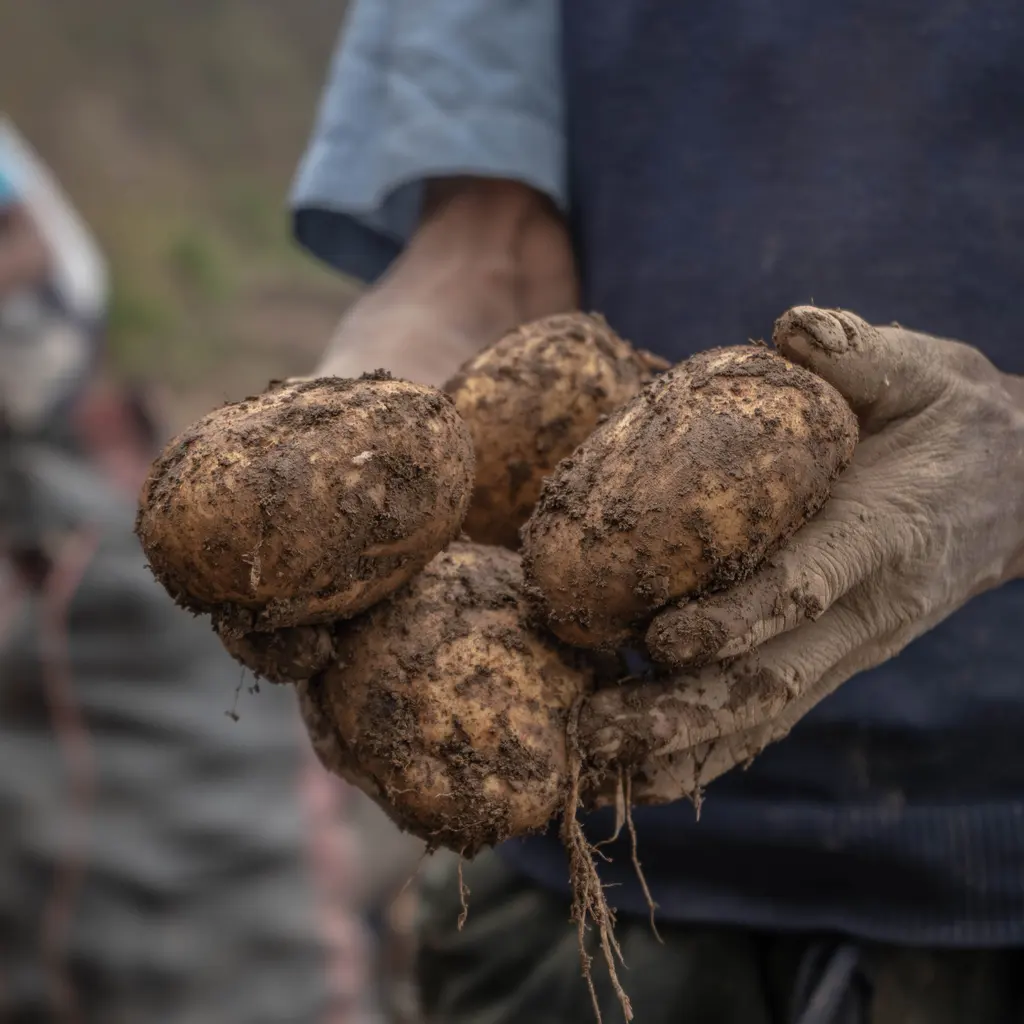
You dig potatoes, manage their condition in storage and deliver to processors or fresh-pack buyers. A stopped harvester can leave crop in the field, while a failed cellar fan can affect stored lots; repair costs and the value of the potatoes are different losses.
The Southern Agency can review your harvest sequence, cellar infrastructure, and transport logistics to help you select appropriate insurance. For example, we can help you distinguish between coverage for a ventilation system's failure and the separate terms needed for potato quality loss.
Ventilation, cooling or humidity-control failures can affect stored crop condition. Actual lot condition, variety and failure duration influence the outcome.
Bulk storage structures face fire, roof-load, and structural exposures that can damage both the building and the stored crop inside.
Windrowers, harvesters, and conveyors failing during the short dig window can cause downtime and field losses before storage is filled.
Disease, handling injury and pressure bruising can reduce stored quality. Pressure bruising can involve pile weight and tuber water loss; discovering damage in storage does not automatically make it a storage-equipment loss.
Trucks hauling potatoes to packers and processors on public roads create commercial auto liability and physical damage exposure.
Employees on grading and conveyor lines and around heavy equipment face entanglement, lifting, and machinery-related injuries.
Fertilizer, fungicide, sprout inhibitor, and fuel storage and application create potential pollution exposure depending on operations.
Policies to ask about. Which ones fit depends on your operations, your contracts, and the carrier’s forms.
These hypothetical examples are not agency claim results. Whether a loss is covered depends on the facts, policy terms, and applicable exclusions.
Hypothetical: a cooling unit fails and stored potatoes deteriorate. Applicable breakdown terms may address eligible machine damage and selected resulting stock loss. Establish the lot's owner, prior condition and actual cause; disease/handling injury, utility/wear, buyer rejection, and temporary transfer or income need separate terms.
Hypothetical: a harvester fails during the digging window. Applicable equipment terms must include the machine, interest and cause; internal mechanical failure and wear are not established by fire/accident protection. Substitute rental, crop left in the field and missed processor delivery need separate review.
Hypothetical: fire damages a storage building and potatoes inside. Applicable property terms may address covered building and stock interests, causes, and values, subject to limits/deductibles. Customer-owned or sold-but-held lots, grading, rehandling/disposal, and lost supply or income are separate questions.
Start with the work you do and the questions your current policies leave unanswered. Carrier options depend on your location, risk, and underwriting. Explore our approach.
No. Establish actual lot condition, cause, and timing, with handling, disease, pile pressure/water loss, and system evidence. Compare crop/quality/storage terms with property, machinery, and any stock-spoilage response; discovery in a cellar does not prove a covered equipment failure.
Ask the actual crop insurer about any proposed/elected endorsement and current eligibility, cause/period, quality, election, notice, sampling, and record conditions. A specific crop-storage provision is different from insuring every later system, stock or buyer-contract loss.
Eligible machine repair, wear, power interruption, actual stock ownership/condition, spoilage, and income/extra expense need separate terms. A buyer rejection or storage-control schedule alone does not establish a resulting load claim.
Check actual listed interests, construction/condition, cause, collapse wording, values, limits, and deductibles. Building, fixed systems, potatoes and income can have different treatment; fire protection does not establish every structural or stock loss.
Compare mobile machines, internal failure/wear, rentals, and crop-delay terms separately from fixed systems. Identify actual employers, work states, payroll, and digging/grading/cellar tasks for worker duties and benefits.
No. Compare actual grades/acceptance, ownership, custody, delivery, and private insurance requests. Physical damage, quality adjustment, rehandling, rejected lots, third-party claims, and supply commitments have different triggers and limits.
Bring your questions, current policies, and relevant contracts. An agent can review coverage terms, exclusions, and the information carriers ask for, then explain the options available to you.