

Wind and snow structure damage
Wind or snow can tear coverings or damage frames; construction and covering type affect both the loss and the insurance review.
Try a different word, or check the spelling.
You invest in a covering to give a crop better growing conditions. Insuring that structure is one decision; protecting the plants underneath is another.
The Southern Agency can compare permanent and seasonal structures, installed systems and growing plants as separate insurance interests.
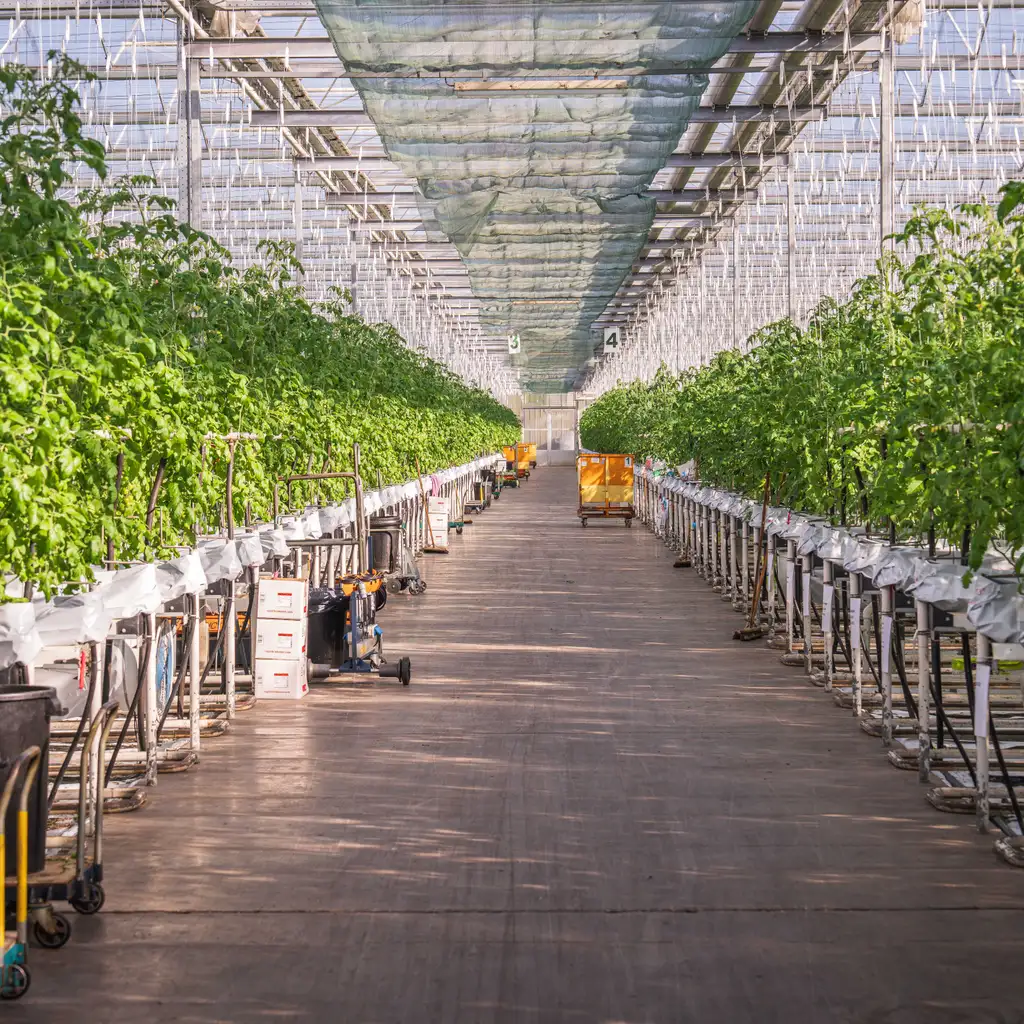
You use greenhouses, high tunnels, or other protected structures to grow your crops, with different climate-control needs depending on the setup. A severe windstorm or power loss can threaten your structure and the plants inside.
The Southern Agency can help you review your protected-growing structures and installed systems to help you select insurance. For example, we can help you understand why building insurance may cover your greenhouse frame while leaving the growing crop inventory excluded.
Wind or snow can tear coverings or damage frames; construction and covering type affect both the loss and the insurance review.
In heated or mechanically ventilated houses, equipment failure can expose plants to damaging temperatures. Passive tunnels have a different system profile.
Torn poly or broken glazing can expose plants even where repair of the cover costs less than the affected crop.
Where heaters, lights, and electrical controls are installed, a fire can damage the structure and plants together.
Materials and partially built structures may sit outside completed-property coverage; existing crops beside the work add another exposure.
Moving stock, handling inputs, maintaining equipment, and installing coverings create different duties to disclose for employees and contractors.
Policies to ask about. Which ones fit depends on your operations, your contracts, and the carrier’s forms.
These hypothetical examples are not agency claim results. Whether a loss is covered depends on the facts, policy terms, and applicable exclusions.
Hypothetical: a heater breaks on a freezing night and plants are lost. Equipment breakdown may cover an insured heater failure while excluding growing crops. Any plant coverage must expressly address the crop and cause; it is not established by the repair payment.
Hypothetical: wind tears poly coverings and bends frames. Property coverage depends on the insured structures and wind terms; coverings can have different valuation or restrictions from the frame. The exposed crop is a separate loss.
Hypothetical: a storm damages an unfinished greenhouse and nearby existing plants. Builders risk may cover insured project materials or work, but existing crop inventory and permanent property may fall outside the project definition.
Start with the work you do and the questions your current policies leave unanswered. Carrier options depend on your location, risk, and underwriting. Explore our approach.
Not necessarily. Confirm how the policy defines each structure and covering, its location, valuation, and covered perils. Insuring a permanent greenhouse does not establish coverage for seasonal tunnels or loose row covers.
A form may cover insured machinery breakdown but exclude growing crops. Review plant-loss and utility-interruption terms separately, including the cause, limits, and conditions. An unheated tunnel has a different review from a powered house.
Review the project before construction begins. Builders risk can address specified project property, but existing crops, defective work, testing, and the transition to permanent coverage need separate attention. Availability is not assured.
Do not assume so. Ask whether the actual crop is insured, under which form, at what value and stage of growth, and against which causes. A building or equipment schedule is not proof of living-inventory coverage.
Only if the actual operation and property meet the insurer's eligibility and terms. A BOP or other package does not automatically include tunnels, growing crops, or the consequences of climate-control failure.
Structure construction and values, coverings, powered systems, crop concentration, weather exposure, construction work, labor, and losses inform underwriting. Pricing requires the actual operation, not just its acreage.
Bring your questions, current policies, and relevant contracts. An agent can review coverage terms, exclusions, and the information carriers ask for, then explain the options available to you.