

Vehicle accidents on dense delivery routes
Frequent stops at shops and dealers across town mean high mileage in heavy traffic, increasing the chance of collisions, backing incidents, and parking-lot damage.
Try a different word, or check the spelling.
An urgent part can hold up a repair without being damaged. Review delivery-error demands separately from the fragile components in your van.
The Southern Agency can help you protect your delivery fleet and goods in transit.
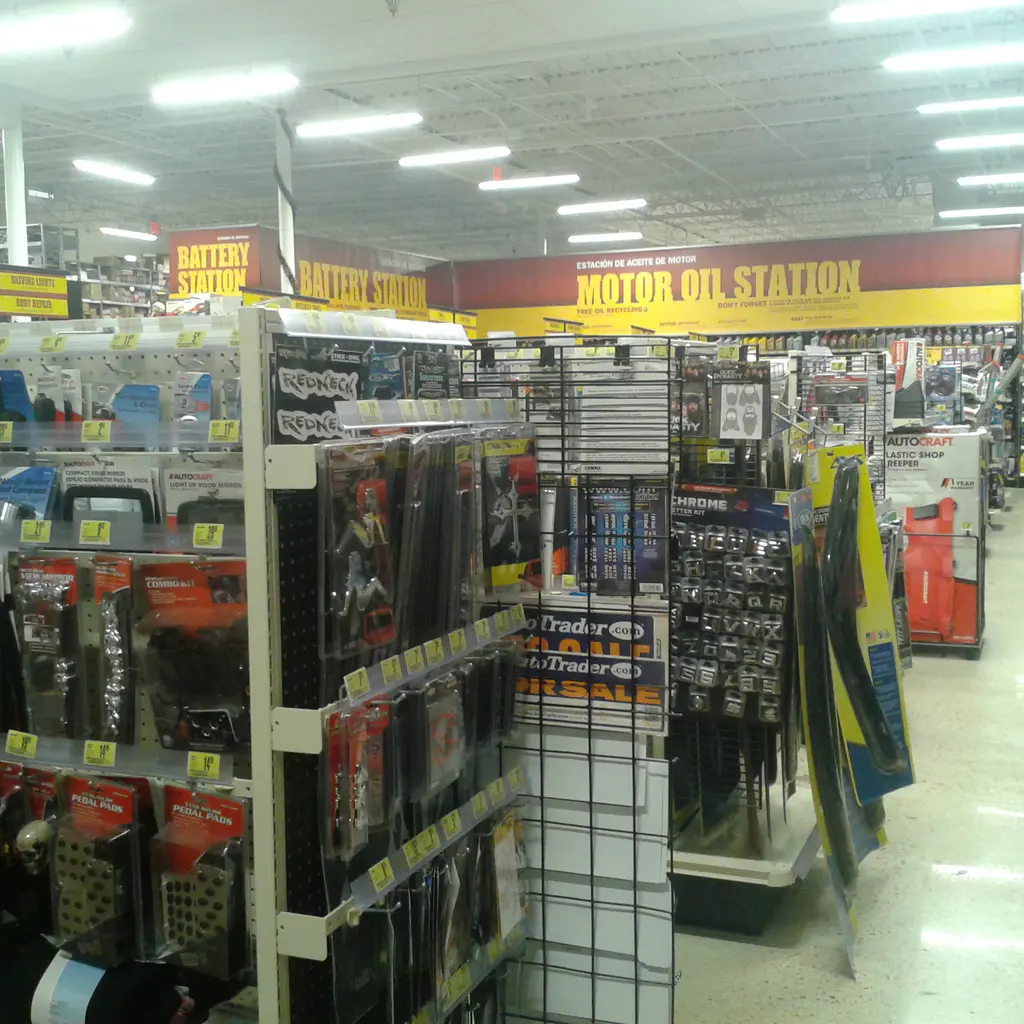
You provide time-sensitive delivery of vehicle components from suppliers to repair shops. A crash involving your delivery van or an injury during the handling of heavy parts can interrupt your service and strain your finances.
The Southern Agency can review your delivery routes and vehicle usage to help you select appropriate insurance. We can help you differentiate between the coverage for your van and the limits needed for parts in transit.
Frequent stops at shops and dealers across town mean high mileage in heavy traffic, increasing the chance of collisions, backing incidents, and parking-lot damage.
Painted panels, glass, and precision components can be scratched, cracked, or crushed during transport, leaving the courier responsible for the loss.
Vans left running at quick stops or loaded with special-order parts are targets, and stolen cargo can mean covering the customer's loss.
Lifting batteries, transmissions, and bulky body parts repeatedly exposes drivers to strains, hernias, and crush injuries at docks and shops.
Maneuvering through crowded service bays risks striking lifts, customer vehicles, or shop equipment while making a delivery.
A missed or misdelivered urgent part can stall a repair job, and customers may seek recovery for the resulting downtime.
Policies to ask about. Which ones fit depends on your operations, your contracts, and the carrier’s forms.
These hypothetical examples are not agency claim results. Whether a loss is covered depends on the facts, policy terms, and applicable exclusions.
A replacement windshield shifts and cracks during a hard stop. Cargo coverage may help pay for the part if it insures that shipment and loss.
A driver backs into a tight service bay and hits a customer's car on a lift. Auto coverage may apply to the vehicle damage; the policy and facts determine the response.
A driver strains their back lifting a battery onto a hand truck and misses work. Workers' compensation may pay benefits if the worker and injury qualify under applicable rules.
Start with the work you do and the questions your current policies leave unanswered. Carrier options depend on your location, risk, and underwriting. Explore our approach.
Business auto covers vehicle liability and, if selected, damage to the insured vehicle. Parts themselves need a cargo policy that covers the goods and loss.
A claim from backing into a customer's car may be reviewed under auto coverage. Injury or damage from work inside the shop may involve general liability; the event and policy wording matter.
Workers' compensation may pay benefits when an employee is hurt lifting parts. Requirements and worker status depend on the state and the actual work arrangement.
Start with the highest value of parts carried in one van, including special-order items. Check the cargo limit, deductible, and any restrictions on the goods.
Hired and non-owned auto may address the business's liability when a driver uses a personal or rented van. It does not replace the driver's own required vehicle insurance.
A business owners policy may combine property and liability for an eligible office or dispatch site. Auto and cargo protect different interests and are reviewed separately.
Bring your questions, current policies, and relevant contracts. An agent can review coverage terms, exclusions, and the information carriers ask for, then explain the options available to you.