Skip to content

Tire Shop Insurance

A customer's visit may end when you lower the lift, but responsibility for the wheel work can continue on the road. Completed-work liability is separate from protecting the car while it is in your bay.

The Southern Agency can help you compare protection for wheel work, customer property and the equipment your bays depend on.

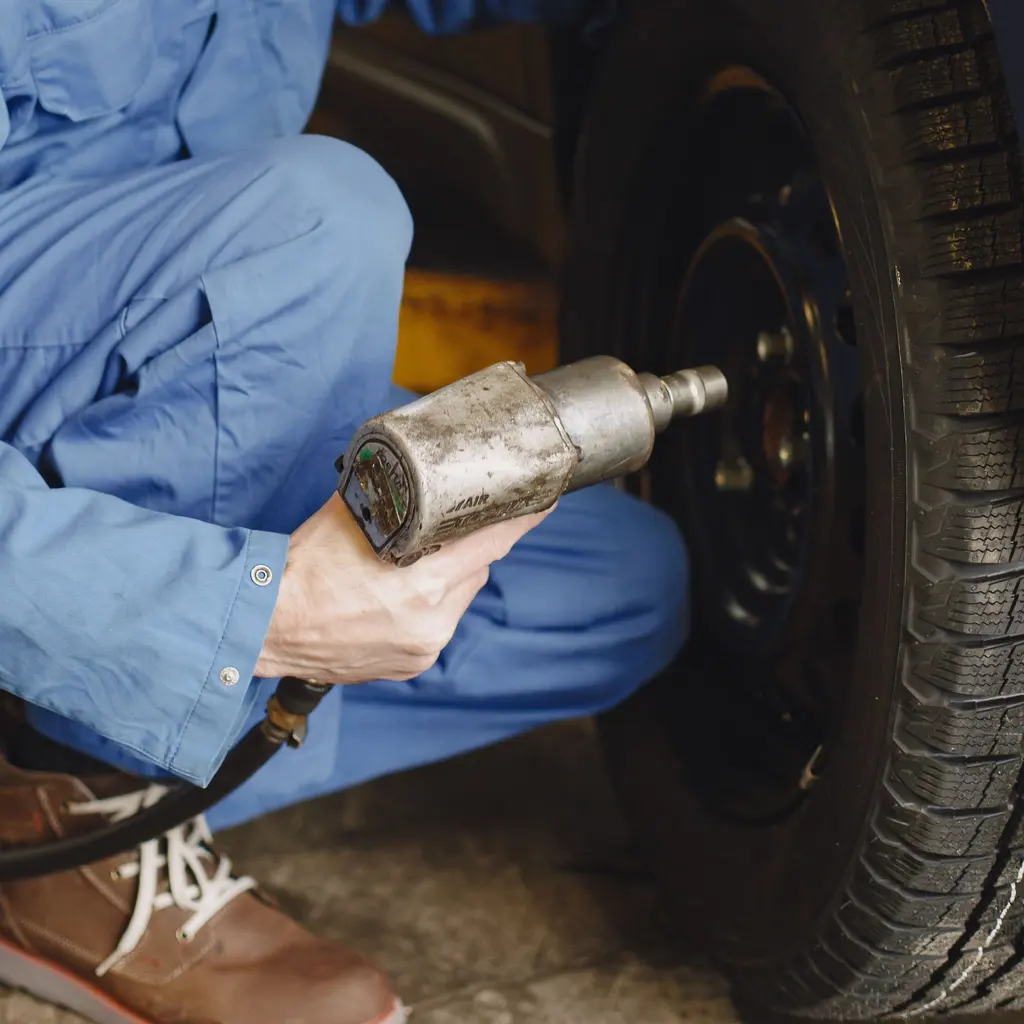
A mechanic works on wheel fasteners with a pneumatic impact wrench inside an auto-service bay.

Industry overview

You sell and fit tires, and may also balance wheels, align vehicles or send technicians to fleet sites. A wheel coming loose after pickup, a car damaged on a lift and a fire in stored tires raise different questions about your work, customer property and stock.

The Southern Agency can review your equipment, service procedures, and mobile-work requirements to help you select appropriate insurance. For example, we can discuss how to distinguish liability for a customer vehicle damaged during an alignment from property damage to your own tire inventory.

Risks worth discussing

Installation alleged to cause an accident

Mounting, balancing, fastening or other work may be alleged to cause injury or damage after pickup. Identify the actual tire, vehicle, and work, and separate resulting harm from correcting the job, replacing parts, warranty, or a fleet's delay charge.

Tire or component alleged to be defective

A sold tire may be involved in a failure allegation even where someone else installed it. New or used products, sources, identifying information, and any changes matter. An injury claim differs from item replacement, return, withdrawal, or refund costs.

Customer property damaged during work

A car can be damaged on a lift, in a bay or during movement or testing. Identify the owner and actual damage terms for detached wheels or tires held separately. Garage liability alone does not establish every customer-property loss.

Stored stock and premises damaged

Fire, theft or another event can affect tires, tools, equipment, and building or tenant interests. Identify stock values and owners, storage, housekeeping, and fire protection. New, used, returned, or customer-owned items may need different valuation or custody treatment.

Service machinery stops working

A balancer, lift or alignment system can stop a bay's work. The failure cause, equipment damage, maintenance, temporary arrangements, and lost income need actual terms; listing a machine does not establish every downtime cost.

Bay, handling and mobile-work injuries

Lifting, tools, vehicle movement, loading, and work at customer sites or roadside can involve strains, crush or struck-by injuries. Describe actual tasks, employers, work states, and any driving or outside providers rather than relying on a technician label.

Coverage worth discussing

Policies to ask about. Which ones fit depends on your operations, your contracts, and the carrier’s forms.

Situations to think through

These hypothetical examples are not agency claim results. Whether a loss is covered depends on the facts, policy terms, and applicable exclusions.

  1. Hypothetical: Wheel detaches after tire service

    Hypothetical: a wheel comes loose after service, strikes another vehicle and injures its driver; the shop is accused of improper fastening. Applicable completed-work liability may address a covered injury or property-damage claim and defense if the actual work and facts fit. Correcting the job, the wheel or tire itself, damage to the serviced car and a fleet's delay charges need their actual terms.

  2. Hypothetical: Customer car damaged on a lift

    Hypothetical: a customer's car slips on a lift during a tire job and its body is damaged. Applicable garagekeepers or other customer-vehicle terms may address a covered physical-damage loss, subject to the car, cause, custody, payment basis, and limits. A garage-liability heading or the shop's building policy does not establish that payment, every faulty-work loss or property held separately.

  3. Hypothetical: Fire damages tire stock and the shop

    Hypothetical: a fire damages stored tires, tools and the service area. Applicable commercial property terms may address covered interests, subject to owners, site, values, deductibles, and conditions. Customer vehicles, wheels or tires held for others and lost service income need their own custody, property or interruption terms rather than being inferred from the shop's stock limit.

Before you talk to an agent

What to have ready

Tick items as you gather them. Nothing here is saved or sent.

Questions to raise

  • Describe the actual tire lines, vehicle types, sales, and work, including any alignments, brake or suspension jobs and mobile or fleet service. Keep available tire or component identification, supplier information, relevant instructions, and records of what was fitted and done with the job. Product allegations, faulty-work allegations, and correcting service require different facts and terms.
  • Separate customer cars held or tested from wheels, tires, or other property held separately and the shop's own stock. Review who owns each interest, custody timing, and actual damage terms, including whether payment depends on liability or direct property coverage. Do not assume garage liability, a signed work order or a building limit includes them all.
  • Compare peak new, used and returned stock, tools, equipment and any customer-held property with actual owners, sites, valuation, and limits. Describe storage, housekeeping, protective systems, and previous losses. Mobile loads or tools, outside storage and interrupted service need their own terms rather than a promise from the inventory total.
  • Identify the machines that each bay depends on and the actual repair, upkeep, and temporary-capacity arrangements. Compare covered failure, equipment damage, waiting periods, expense, and income terms. Losing appointments because a balancer stops is not by itself evidence of a covered breakdown or the amount payable.
  • Describe service-truck drivers, routes, fleet-site or roadside tasks and actual employers, helpers, and providers. Compare road, worker, offsite completed-work, and customer-property interests. Towing, recovery or vehicle storage, if offered, need explicit activity and custody review instead of an assumption from mobile tire service.

Contract terms to check

  • Define the tires or components supplied, work authorized, vehicle, testing permission, customer-property custody, and collection. Distinguish sale and installation from additional repair, and document actual warranty or return-work promises. A signed work order does not itself settle liability or establish every customer-car loss is insured.
  • Read supplier, brand or program terms for product identification, representations, returns, defect allegations, and withdrawal or replacement costs. Compare any requested liability or indemnity with the actual product and completed-work terms. A supplier warranty or certificate does not guarantee reimbursement for the shop's fitting or resulting injury claim.
  • For fleet or mobile work, define the site, service, access, dispatch, vehicle-handling, and outside-provider responsibilities. Compare injury, customer-property, and road interests with the actual policies and requested endorsements. Response-time promises, downtime charges, tire replacement and correcting a job are not established by insuring the truck.
  • Review actual premises, equipment-finance, and stock-supplier requests and distinguish property-lender from additional-insured liability interests. Verify actual worker, road, site, and relevant business conditions separately from private contracts. Disclose any vehicle sales, finance or title services separately if they are offered.

What the agent conversation looks like

Start with the work you do and the questions your current policies leave unanswered. Carrier options depend on your location, risk, and underwriting. Explore our approach.

  1. ListenReview your operations, current coverage, and past claims.
  2. AssessIdentify potential hazards and discuss ways to reduce risk.
  3. BuildDiscuss policy and carrier options, premium costs, and audits.
  4. SupportReview changes and help you plan ahead as your needs develop.

Questions owners ask

Does garage liability include every customer-car damage claim?

Review actual operations and completed-work liability separately from garagekeepers or other customer-vehicle damage terms. Identify the car, custody, cause, and payment basis. Customer wheels or tires held separately need their own property treatment checked rather than being assumed part of either stock or a complete vehicle.

Is selling a tire different from installing it for liability purposes?

A product defect and the shop's work can generate different allegations, whether or not the same policy addresses both. Describe actual new or used products, sources, vehicle uses and work. Applicable terms may address covered resulting injury or damage; liability, replacement, warranty, and correction are not automatic from a reported failure.

Are detached customer wheels treated as shop inventory?

Identify the owner, why the property is held, its value, and the actual policy definitions. Customer cars, separately held wheels or tires, saleable stock and returned goods may involve different terms. A building stock limit or vehicle-custody heading does not establish every interest.

Does the tire stock limit also settle lost service income?

Review actual owners, stock valuation, causes, site, limits, and deductibles, then compare any interruption terms separately. A covered fire or theft payment does not by itself establish every missed job, customer property or income loss. Outside stock, loads and tools also need their actual scope checked.

Will a failed alignment machine automatically pay for missed jobs?

Identify the failure cause, equipment, and actual breakdown terms, including upkeep or wear conditions. Check waiting periods, covered income, and temporary-capacity or expense provisions separately from machine repairs. A stopped bay or listed machine does not establish every lost appointment or fleet penalty.

Does a service-truck policy include roadside fitting and customer vehicles?

Road vehicle liability and damage differ from offsite work, tires or tools carried, customer property and worker benefits. Describe actual drivers, sites, tasks, and any towing or storage, then compare the relevant forms. Insuring the truck does not establish every mobile-service interest.

Talk through your tire shop coverage

Bring your questions, current policies, and relevant contracts. An agent can review coverage terms, exclusions, and the information carriers ask for, then explain the options available to you.

How can we help you get started?

Choose the quote that fits, and we’ll take it from there.

Have a question? Contact us