Skip to content

Motorcycle Dealer Insurance

A test ride puts your motorcycle in a customer's hands before the sale is complete. The bike's damage protection and liability for the ride need separate attention.

The Southern Agency can help you review your dealership’s motorcycle-specific liability and inventory risks.

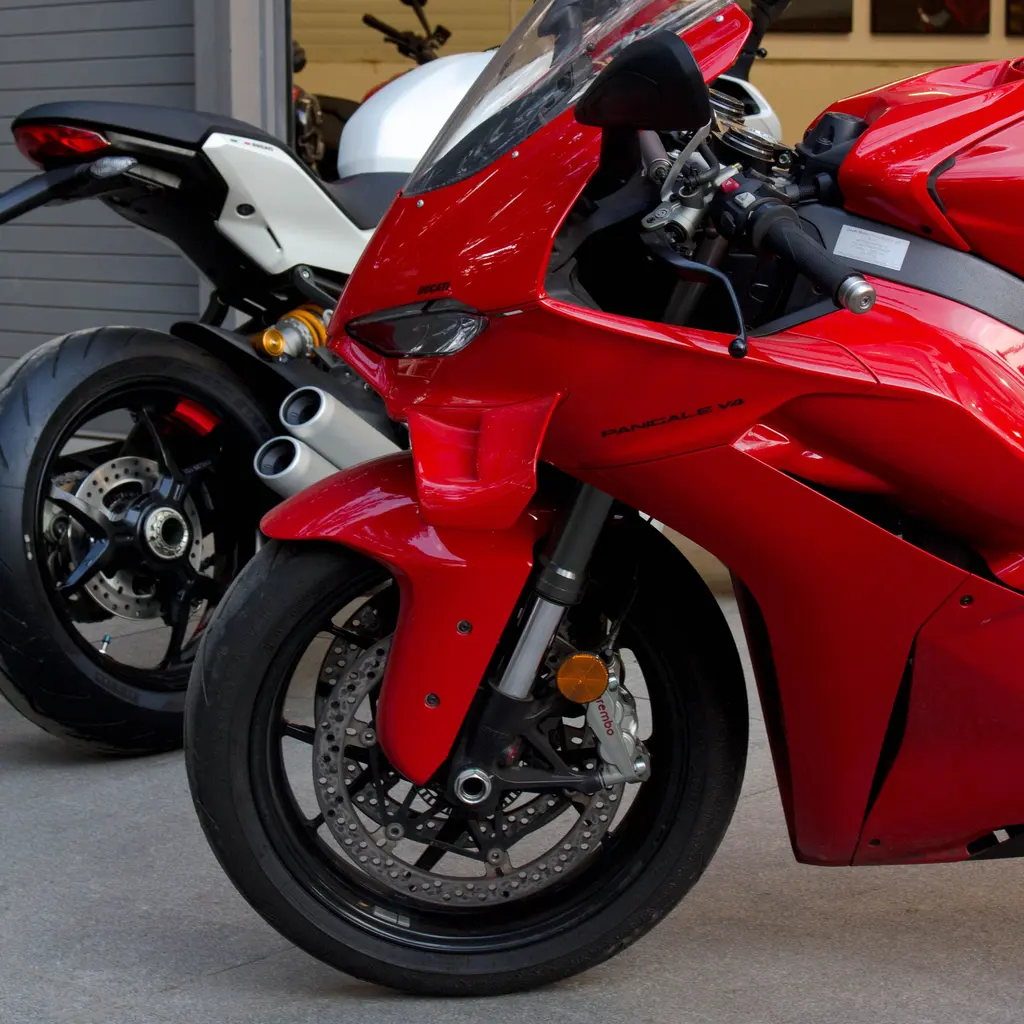
The front fairing and wheel of a red sport motorcycle beside another bike in a showroom.

Industry overview

You sell motorcycles and may also offer test rides, servicing or riding gear. A prospect crashing a demo, a customer's bike stolen from the repair bay and an injury blamed on a fitted part involve different owners, activities and insurance terms.

The Southern Agency can review your bikes, rider permissions and actual service or event work to help select appropriate insurance. We can compare dealership liability with stock physical damage and customer-bike custody, so a showroom contents limit is not mistaken for all three.

Risks worth discussing

Test-ride injury and bike damage

A demonstration crash can injure the rider or others and damage the bike or other property. Rider permission, vehicle condition, use and alleged dealer conduct matter; an injury is not automatically a liability payment or a benefit for every rider.

Bike, gear and accessory theft

A theft can affect dealer stock, demos, customer bikes or gear at a showroom, yard, event or in transport. Identify owners, values, sites, and relevant storage or security terms rather than assume all items are ordinary contents.

Service work alleged to have failed

Brake, tire or engine work can be alleged to cause harm after pickup. Damage resulting from the work, the bike being worked on, correcting the service and a warranty promise are different questions.

Helmet, apparel and part allegations

Gear or components sold or fitted may be alleged to have contributed to injury. The actual products, sources, intended uses and changes matter; replacing a defective item or withdrawing stock is separate from an injury claim.

Events and riding activities

A launch, rally or demo day can involve visitors, vendors, traffic and on-road or other riding. Premises injury, participant activity and a dealer-organized ride need actual scopes identified rather than assume every event fits ordinary showroom use.

Prep, service and transport injuries

Lifts, hot components, fuel, handling bikes and road transport can be involved in burns, strains, crush or riding injuries. Identify actual tasks, employers, and work states for staff, helpers and outside firms.

Situations to think through

These hypothetical examples are not agency claim results. Whether a loss is covered depends on the facts, policy terms, and applicable exclusions.

  1. Hypothetical: Injured prospect alleges a defective demo

    Hypothetical: a prospect crashes a dealer demo, is injured and alleges the dealer failed to maintain the bike. Applicable dealership liability may address a covered injury claim and defense, subject to the rider, use, alleged conduct and terms. The crash alone does not establish liability or a rider benefit, and damage to the dealer's bike needs its own physical-damage terms.

  2. Hypothetical: Dealer bikes and gear stolen overnight

    Hypothetical: thieves break in and steal several dealer motorcycles and riding gear. Applicable dealer inventory physical damage may address covered bike theft, while property terms may address covered gear loss. Owners, site, values, limits, deductibles, and security conditions still matter; customer bikes, goods elsewhere and interrupted sales are not established by the showroom limit.

  3. Hypothetical: Aftermarket component alleged to cause a crash

    Hypothetical: a customer alleges a component sold or fitted by the dealer failed and caused a crash with injuries. Applicable product or completed-work liability may address a covered claim and defense if the products and services fit. Replacing the part, redoing installation, a warranty and withdrawing other stock are separate costs.

Before you talk to an agent

What to have ready

Tick items as you gather them. Nothing here is saved or sent.

Questions to raise

  • Describe the motorcycles and other vehicle lines, riders, trial permissions, routes, and uses actually offered, including staff road tests, loaners, or personal use. Compare liability for alleged dealer conduct with rider injury arrangements and dealer bike damage. A signed test form does not establish all three.
  • Separate dealer-owned, financed or consigned bikes, demos, customer units, and gear or parts at every showroom, yard, event, service, or transport site. Compare seasonal peak values, valuations, theft and weather terms and actual security conditions. A building contents schedule is not a substitute for dealer stock and customer-bike review.
  • List repairs, modifications and fitting, with component sources, instructions and outside specialists. Compare resulting injury or damage with the part or work itself, customer-bike interests, warranties, and withdrawals. Include helmets and other gear by actual type and intended use rather than assume all protective-product promises are insured.
  • For any launch, rally, organized ride or demo event, identify the organizer, site, riding activities, participants, vendors and outside providers. Review the actual premises and vehicle-use terms alongside any event and excess insurance, contracts and permits. Event consent does not by itself determine liability or insure excluded riding.
  • Match plausible rider, bystander or product losses with primary and excess limits, defense arrangements and actual insured activities. Describe prep, service, transport, and riding workers and work states, and keep finance, title, payment, or customer-data questions separate from bike damage and liability.

Contract terms to check

  • Define test rides, staff use, loaners, actual riders, vehicles, routes, and permissions. Review releases, damage responsibility, and indemnity with the actual dealer liability and physical-damage terms. A customer signature is not a guarantee of legal immunity, rider benefits, or payment for the bike.
  • Read manufacturer, supplier, stock-finance and consignment terms for units, values, ownership, sites, demonstrations, and insurance interests. Compare property leases and requested endorsements separately. A lender's or brand's requirement does not establish every stored, customer-owned or transported bike is insured.
  • For service, modification and gear or part sales, define work authorized, component source, customer-bike handling, outside providers, warranties, and return work. Compare resulting harm with correction, replacement, and withdrawal charges; do not assume every promised safety or performance result is an insured claim.
  • Allocate organizer, venue, riding, vendor, transport, and event responsibilities where applicable. Review insurance and indemnity requests against actual terms, and verify applicable licensing, bond, rider, road, worker or permit conditions separately from private brand, finance, and event promises. Finance, title, data or payment-process duties need their own review rather than a blanket liability assumption.

What the agent conversation looks like

Start with the work you do and the questions your current policies leave unanswered. Carrier options depend on your location, risk, and underwriting. Explore our approach.

  1. ListenReview your operations, current coverage, and past claims.
  2. AssessIdentify potential hazards and discuss ways to reduce risk.
  3. BuildDiscuss policy and carrier options, premium costs, and audits.
  4. SupportReview changes and help you plan ahead as your needs develop.

Questions owners ask

Does a test-ride crash automatically provide a rider benefit?

No. Identify injury to the rider or others, alleged dealer conduct, and bike damage separately. Compare the actual rider, use and dealer liability terms with any injury arrangements and stock physical damage. Permission or a signed form does not establish every person's benefits or a liability payment.

Are bikes and riding gear insured as the same inventory?

Check their actual owners, values, sites, and forms. Dealer motorcycle physical damage, ordinary parts or apparel property and customer bikes held for service concern different interests. A showroom limit or theft condition does not establish every event, transit, demo, or customer-bike loss.

Does product liability include replacing a helmet or withdrawing stock?

A covered injury or property-damage claim differs from the item itself, warranty, withdrawal, disposal, and refund charges. Describe the gear, intended use, source, and any fitting or changes, then review actual product and completed-work terms. Insurance does not establish a product's safety or certification.

Will ordinary showroom liability include a rally or organized ride?

Describe the actual event, sites, participants, riding, vendors, and organizer responsibilities before assuming that. Premises injury, vehicle use, and riding participation can involve different terms. Review the actual dealer, event, and excess wording and private requests; a permit or waiver alone is not coverage.

What if technicians also road-test bikes or move them to events?

Describe actual riding, repair, lifting, loading, driving, and work locations with the relevant employers and work states. Compare worker benefits, dealership liability, bike physical damage, and transport arrangements for those tasks. A job title or contractor certificate does not settle every benefit or damaged-bike interest.

Will extra liability limits cover all bikes and events?

Compare underlying and excess activities, parties, limits, and exclusions. More limits do not by themselves include excluded riding, customer-bike custody or damage to dealer stock. Consider plausible injury or product losses, defense, and actual contract requests instead of a generic recommended amount.

Talk through your motorcycle dealer coverage

Bring your questions, current policies, and relevant contracts. An agent can review coverage terms, exclusions, and the information carriers ask for, then explain the options available to you.

How can we help you get started?

Choose the quote that fits, and we’ll take it from there.

Have a question? Contact us