

Propellant fire or explosion
Propellant storage and fueling can produce fire or explosion that damages structures and injures people. Materials, quantities, operating steps, and neighboring tenants affect the potential loss.
Try a different word, or check the spelling.
Your pad and fueling systems may support hardware that belongs to a launch tenant. Coverage for the facility needs to be distinguished from responsibility for that tenant's rocket, payload, and people.
The Southern Agency can help you evaluate the appropriate property and liability insurance for your launch-site infrastructure and tenant management duties.
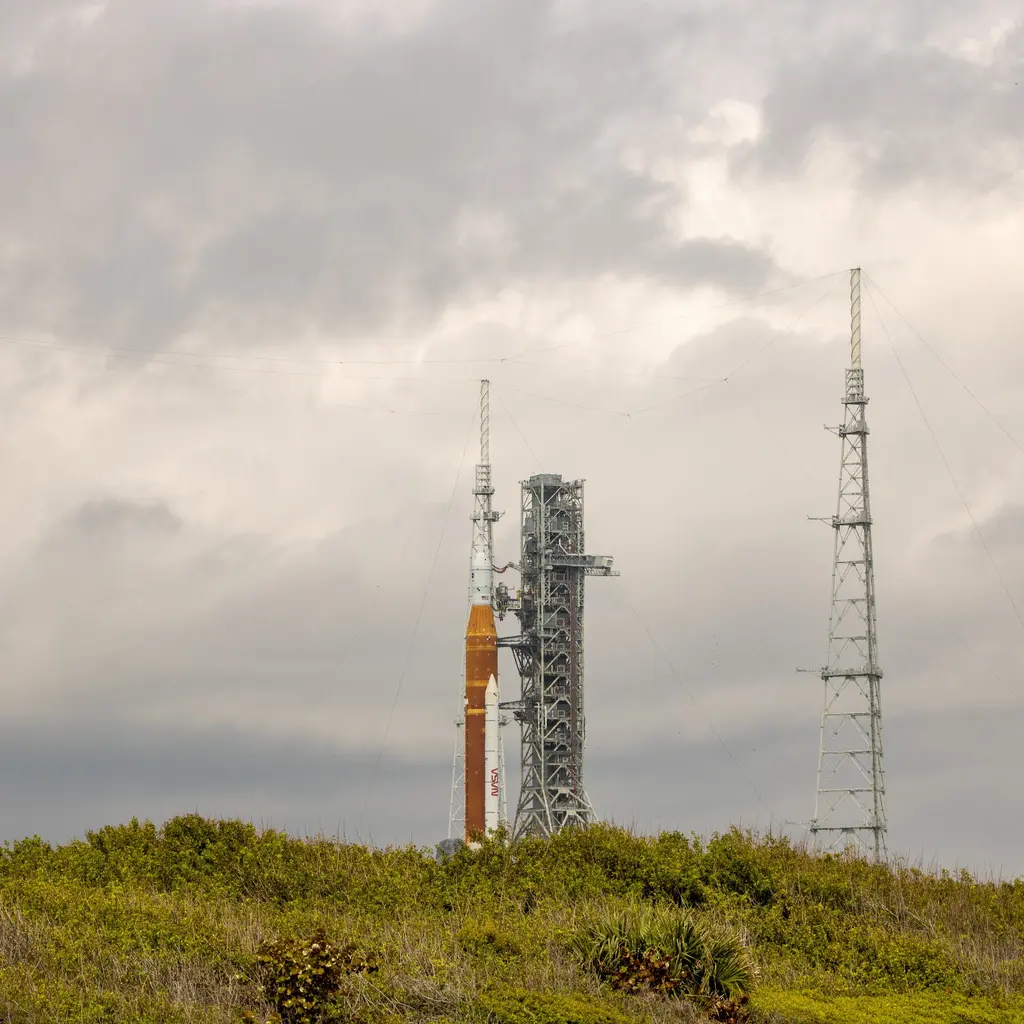
You operate launch-site infrastructure that may include pads, propellant storage and range systems used by several tenants. A fueling fire can damage your structures and someone else's hardware; a release or injured contractor raises separate questions about control, materials and responsibility.
The Southern Agency can review your site infrastructure and tenant relationships to help select appropriate insurance for your launch facility. For example, we can help distinguish between your liability for facility operations and a tenant's liability for their own hardware.
Propellant storage and fueling can produce fire or explosion that damages structures and injures people. Materials, quantities, operating steps, and neighboring tenants affect the potential loss.
Stored materials, combustion byproducts, or emergency-response agents can create soil or water contamination. Identify the propellants, firefighting agents, tank history, runoff, and release conditions; different substances do not present identical pollution hazards.
Hosting multiple launch tenants and service contractors exposes the facility to third-party injury and property claims on hazardous grounds.
Pads, towers, fueling systems, and control buildings are costly fixed assets exposed to blast, fire, and weather damage.
Cryogenic systems, pumps, and ground support equipment are critical to operations, and a breakdown can halt the launch schedule.
Workers handling fuels, heavy machinery, and high-pressure systems face serious burn, exposure, and impact injury risk.
Tenant and authority agreements may specify limits, indemnities, or additional-insured status. Compare the participating parties and accepted duties with the policies and endorsements; a certificate is not an amendment.
Policies to ask about. Which ones fit depends on your operations, your contracts, and the carrier’s forms.
These hypothetical examples are not agency claim results. Whether a loss is covered depends on the facts, policy terms, and applicable exclusions.
Hypothetical: a fueling fire damages pad infrastructure. Property insurance written for the facility's interest and activity may pay covered repairs. The location, ownership and insured fire or blast terms must fit. Repairing the pad and reimbursing a tenant's launch delay are different coverage questions.
Hypothetical: a storage failure releases propellant that contaminates surrounding soil. Environmental liability may pay covered cleanup, defense and damages. The substance, location, release period, response and reporting terms must fit; contamination alone does not make every cleanup or regulatory cost insured.
Hypothetical: a tenant's contractor is injured near a pad and seeks damages from the facility. Applicable premises or space liability may pay covered defense costs and damages for the insured activity. Workers' compensation may pay covered medical and wage benefits based on the worker's employer and jurisdiction. Being on site does not make the worker insured under the facility's employee policy. Launch-participant definitions and any applicable waivers are separate issues.
Start with the work you do and the questions your current policies leave unanswered. Carrier options depend on your location, risk, and underwriting. Explore our approach.
Describe propellant storage and fueling, fire or explosion, contamination, fixed infrastructure, and people using the site. Their relative importance depends on the materials, quantities, operations, and tenant arrangements. A pure host and a business also operating launches must disclose different duties; neither the spaceport name nor a property schedule establishes a complete launch program.
A release involving stored materials or firefighting agents can create cleanup and third-party injury or property claims. Environmental liability may pay covered remediation and liability costs. Identify substances, tanks, premises, release periods, and reporting provisions, and distinguish the owner's interest from a contractor's work. Emergency or legal response duties do not prove every resulting expense, historical condition, or penalty is insured.
Read the lease for property interests, control of work, indemnities, and requested limits or endorsements. Compare the facility, tenant, and service-provider duties with the policies, including launch or pollution restrictions. A certificate does not add coverage, and a reimbursement promise does not prove the promised payment is insured.
Property insurance may pay insured physical damage to declared infrastructure, while breakdown cover may pay eligible repairs after a covered mechanical, electrical or pressure-system failure. The structures, equipment, interests, and activities must fit the terms. Wear, lost rent, tenant delays, and damage to a rocket or payload are separate questions; a combined list of property and breakdown limits is not a guarantee of every loss.
GL may pay a covered claim against the facility for its premises duties, but a contractor label alone does not decide liability or insurance. Identify the employer, work and alleged facility duty; employee benefits follow the applicable employment facts and law. For licensed launch activity, the regulatory third-party definition may exclude participating contractors. Launch-related liability and applicable waivers therefore need separate review rather than assuming every on-site injury is ordinary GL.
Excess can increase covered liability limits above specified primary policies where a claim exceeds that layer. Match the site activities, parties, and intended launch or pollution liabilities with the underlying and excess terms. More limit does not by itself insure the pad as property, add an excluded activity or establish that the facility has met every tenant or authority requirement.
Bring your questions, current policies, and relevant contracts. An agent can review coverage terms, exclusions, and the information carriers ask for, then explain the options available to you.