Skip to content

Satellite Manufacturing Plant Insurance

A satellite leaving your cleanroom still has transport, launch, and operation ahead of it. Product liability and protection for the spacecraft's own value are different insurance questions at those stages.

The Southern Agency can help you align your insurance with the specific risks of your satellite assembly, testing, and shipment processes.

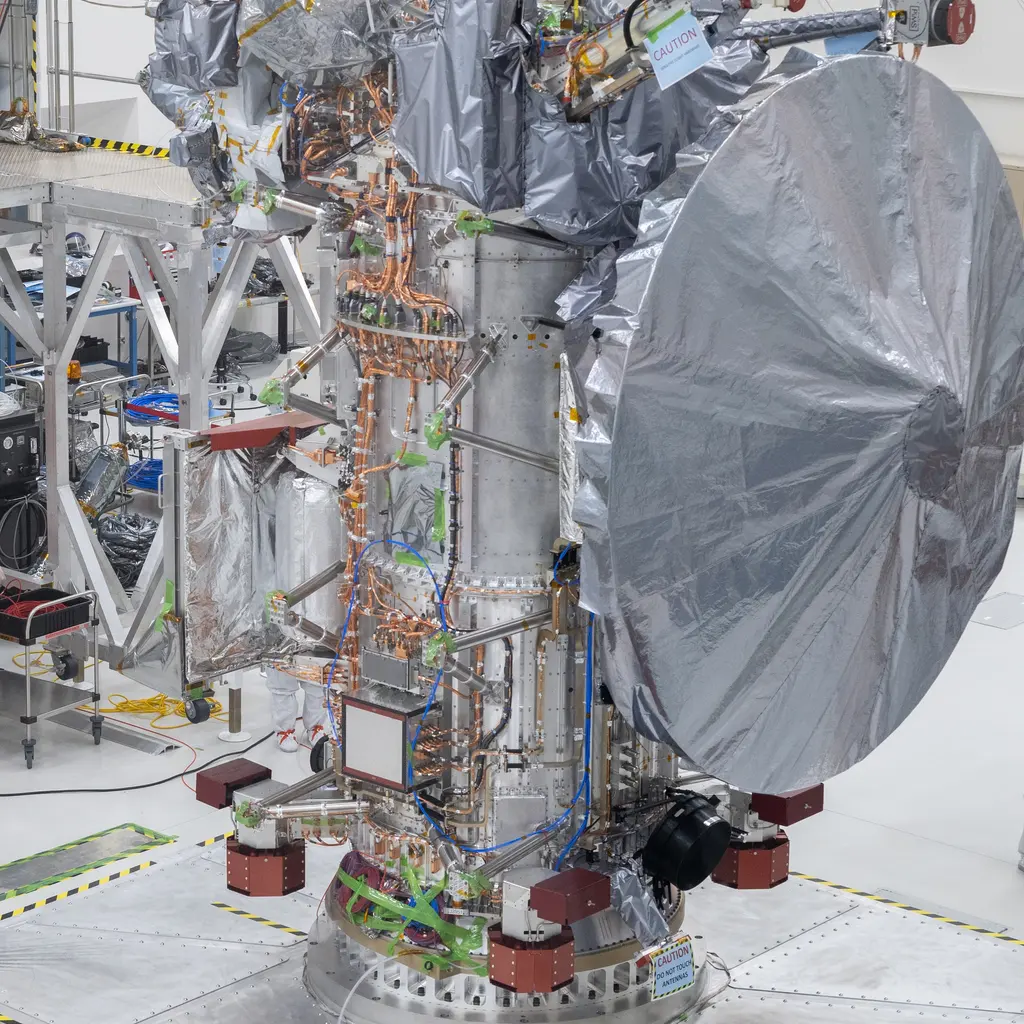
A foil-wrapped spacecraft body and antenna during clean-room assembly.

Industry overview

You assemble satellite hardware in precision cleanrooms and test chambers, using components from multiple suppliers. Lost environmental control can damage work in progress, while a latent defect may not appear until after launch.

The Southern Agency can review your assembly and testing environment to help select appropriate insurance for your manufacturing plant. For instance, we can help distinguish between property coverage for your cleanrooms and liability for latent defects in delivered hardware.

Risks worth discussing

Latent product defects discovered on orbit

A workmanship or component defect may appear after launch. Exposures can include the failed satellite's value, warranty obligations, lost incentive payments, or harm to others. Repair options and the relevant insured interests are mission-specific.

Cleanroom contamination or damage

Loss of environmental control or contamination in the cleanroom can ruin in-process flight hardware and delay delivery.

Test and control equipment breakdown

Thermal-vacuum chambers, vibration tables, and HVAC systems are critical to production, and a breakdown can stop satellite assembly and testing.

Damage to components and finished satellites in transit

High-value components and completed spacecraft move between suppliers, the plant, and launch sites, exposing them to damage or loss in transit.

Technician injuries on the floor

Assembly, handling, and test operations expose skilled technicians to lifting, machinery, and chemical hazards.

Theft of proprietary designs and customer data

Satellite designs and customer specifications are valuable targets, creating cyber and intellectual-property exposure.

Coverage worth discussing

Policies to ask about. Which ones fit depends on your operations, your contracts, and the carrier’s forms.

Situations to think through

These hypothetical examples are not agency claim results. Whether a loss is covered depends on the facts, policy terms, and applicable exclusions.

  1. Hypothetical: On-orbit satellite failure

    A delivered satellite fails in service and the customer attributes it to a manufacturing defect, seeking compensation for the failed hardware. A space policy written for the manufacturer's defined warranty interest may pay an insured warranty loss. Its spacecraft, role, mission phase, and payment obligation must fit the terms. Ordinary product liability is not proof the satellite's own value or promised performance is insured.

  2. Hypothetical: Cleanroom HVAC failure

    A sudden HVAC failure compromises the cleanroom and damages in-process hardware, creating equipment-repair and hardware-loss costs. Breakdown may pay the covered HVAC repair; physical damage to flight hardware needs applicable resulting-loss or property terms, ownership and valuation. The breakdown cause, contamination restrictions, and income provisions matter. Repairing the HVAC does not by itself reimburse all ruined stock, delays or customer penalties.

  3. Hypothetical: Component damaged in transit

    A high-value component is damaged while shipping from a supplier, creating a repair or replacement cost before assembly. Inland marine or cargo written for that shipment and the plant's interest may pay covered physical damage. The route, conveyance, packing, values, and point when risk transfers must fit; the supplier's or carrier's liability is not proof the plant has goods cover.

Before you talk to an agent

What to have ready

Tick items as you gather them. Nothing here is saved or sent.

Questions to raise

  • Identify each satellite, subsystem, declared manufacturing role, and delivery or mission phase. Separate harm to people or other property from the hardware's own value, warranties, incentives, and performance promises before comparing a requested product limit.
  • Value cleanrooms, thermal-vacuum chambers, vibration tables, tooling, customer components, and work in progress by interest and production stage. Compare covered physical damage, test or contamination restrictions and breakdown definitions rather than treat every rejected unit as insured property loss.
  • Map supplier, plant, integration, and launch-site shipments, including conveyances, countries, loading, temporary storage, packing, and the point risk transfers. Compare the highest shipment and accumulation values with the actual transit terms, not just a carrier's liability declaration.
  • Identify design repositories, customer specifications, personal information, vendors, and recovery dependencies. Distinguish insured investigation, restoration, and liability from the competitive value of stolen engineering and every intellectual-property obligation.
  • Estimate chamber or cleanroom restoration and requalification time, lost production, and extra expenses. Income protection needs its insured trigger, period, waiting time, and limits; customer delivery penalties and the cost of correcting defective work are separate questions.

Contract terms to check

  • Supplier and customer agreements should identify the hardware, quality and testing duties, acceptance, ownership, and loss transfer. Separate liability for injury or damage to other property from repair or replacement duties, warranty payments, incentives, and performance promises.
  • Compare requested limits, parties and endorsements with the policies for the spacecraft, manufacturing activity and relevant ground, delivery or mission phase. A certificate does not amend coverage, and agreeing to an obligation does not prove it is insured.
  • Shipping and launch-site delivery agreements should identify packing, loading, storage, custody, and the point each party bears loss. The carrier's liability and the manufacturer's physical-damage interest are different protections.
  • Use the actual lease, financing, customer, or government-work schedules where applicable; do not infer a universal lender or sponsor minimum. Keep building and equipment interests, customer hardware, delayed-delivery remedies, and data duties distinct when comparing those requests.

What the agent conversation looks like

Start with the work you do and the questions your current policies leave unanswered. Carrier options depend on your location, risk, and underwriting. Explore our approach.

  1. ListenReview your operations, current coverage, and past claims.
  2. AssessIdentify potential hazards and discuss ways to reduce risk.
  3. BuildDiscuss policy and carrier options, premium costs, and audits.
  4. SupportReview changes and help you plan ahead as your needs develop.

Questions owners ask

Why is product liability critical for a satellite manufacturer?

A defect can generate claims after delivery or launch. Product liability may pay covered defense and damages for injury or damage to other property. A demand for the failed satellite's own value or a warranty payment is a different interest. Manufacturer incentive payments also need defined financial-interest terms. The spacecraft, role, and mission phase must fit. Servicing depends on the design, mission, and actual capability; it is not universally impossible or available.

Are our cleanrooms and test chambers covered?

Property may pay covered physical damage to declared cleanrooms, chambers, tooling, and insured hardware. Breakdown may pay eligible repairs after an insured equipment failure. Identify ownership, values, causes, and resulting-loss provisions. Contamination, damage during testing, defective work, and hardware owned by customers need explicit terms; listing the chamber does not establish every resulting loss.

How are satellites covered while shipping to a launch site?

Transit insurance may pay covered physical damage to components or completed satellites on the insured journey. Identify land, air, and sea legs, locations, packing, custody, loading and risk-transfer terms, plus shipment and temporary-storage values. An inland marine heading or the carrier's liability terms do not establish every international leg, launch or orbital phase.

Do customer contracts affect our insurance?

Read actual supplier and customer agreements for insurance requests, quality and acceptance duties and responsibility for defect, warranty and performance costs. Compare the spacecraft, insured parties, activities, and phase with policy and endorsement terms. A certificate does not amend coverage, and accepting a duty does not establish payment for every promised result.

Is cyber coverage relevant to a manufacturer?

Cyber may pay covered investigation, data restoration, incident response, and privacy or network-liability costs after an insured event. Match systems, vendors, customer information, and engineering repositories with the terms. Confidential specifications are not necessarily personal information, and insured response costs are not a guarantee of the stolen designs' competitive value.

What happens if production is interrupted?

Income and extra-expense provisions may pay covered losses during the insured restoration period after the required property or breakdown event. The equipment, resulting damage, waiting time, limits, restoration, and requalification needs must fit. A supplier delay, rejected unit, missed milestone or customer penalty is not automatically an insured interruption just because production stops.

Talk through your satellite manufacturing plant coverage

Bring your questions, current policies, and relevant contracts. An agent can review coverage terms, exclusions, and the information carriers ask for, then explain the options available to you.

How can we help you get started?

Choose the quote that fits, and we’ll take it from there.

Have a question? Contact us