Skip to content

Space Vehicle Producer Insurance

Your one-off flight article has a ground-stage property value that is not necessarily the mission budget. Hardware, test and liability protection need to distinguish that interest from qualification work, launch duties, and promises about orbital performance.

The Southern Agency can help you evaluate your production and ground-testing risks to help you identify appropriate coverage.

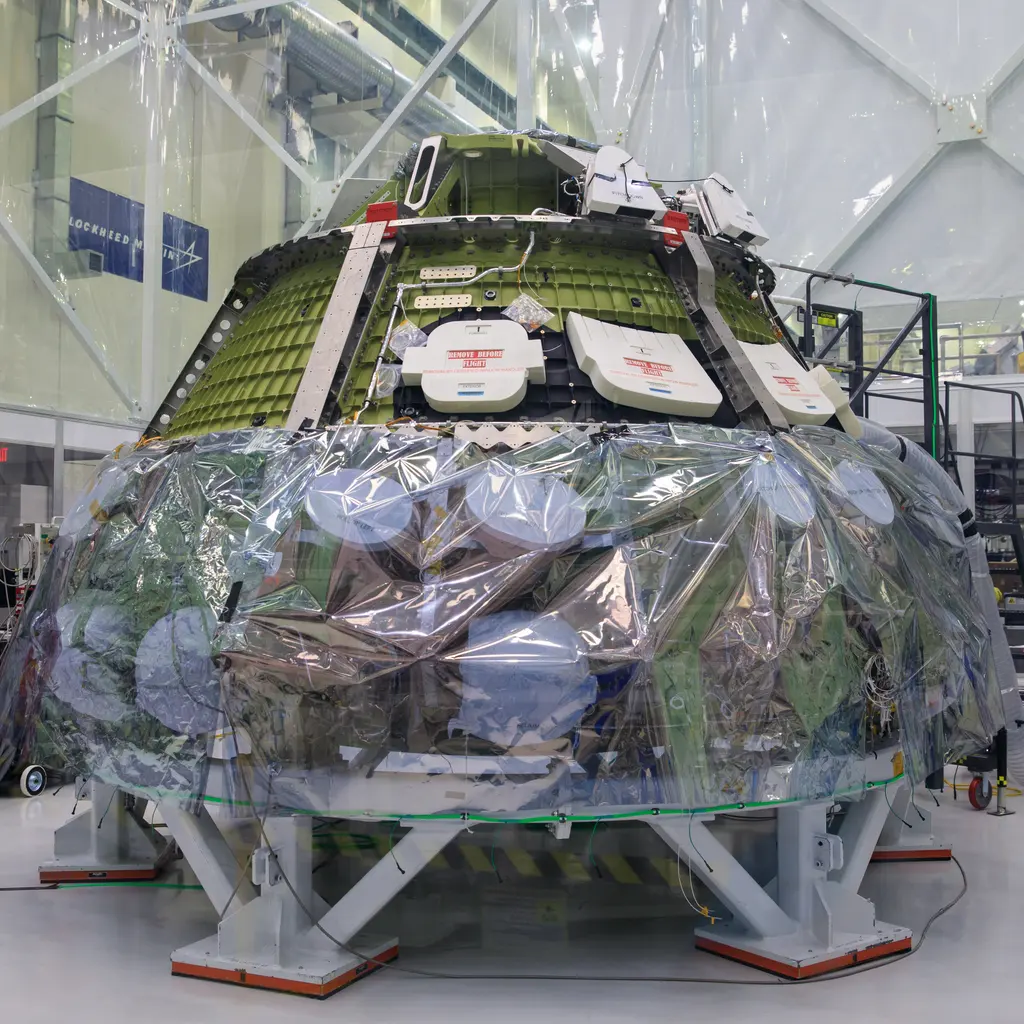
A spacecraft crew module under assembly in a clean room.

Industry overview

You design and manufacture high-value space hardware, such as rockets and orbital systems, which involves complex testing and integration. A mission failure or manufacturing error can lead to significant financial demands, while your test facilities face unique high-pressure and chemical risks.

The Southern Agency can help you review your flight-hardware programs, test processes, and export controls to select appropriate insurance. We can discuss how to separate manufacturing and ground-based liability from the specific risks associated with launch or orbital interests.

Risks worth discussing

Flight hardware defects and mission failure

A propulsion, avionics or structural defect may be blamed for a failed mission. Identify the alleged injury, physical damage, loss of use, or financial demand; replacing the supplied hardware and fulfilling a mission-performance promise are different from covered third-party harm.

Propellant and pressurized-system hazards

Describe the propellants, quantities, pressure systems, and build or test activities. Release, fire, explosion, and worker hazards depend on the actual materials and conditions; a component assembly area and an engine test stand do not have identical exposures.

Controlled technology and data exposure

An intrusion or unauthorized access can expose technical designs. Classification, recipients, and access arrangements affect any export-control duties, while the security incident, contractual confidentiality and lost intellectual-property value raise different insurance questions.

Loss of irreplaceable hardware

Fire or other physical damage can destroy one-off flight hardware and tooling. Establish ownership and work-in-process valuation separately from the mission budget, future contract revenue, and the cost of repeating qualification work.

Test-stand and equipment breakdown

A test stand or production machine breakdown can stop qualification and delivery work. A flight article failing its test is not necessarily a breakdown of the apparatus, and schedule delay alone does not establish a covered income loss.

Supplier and contract requirements

Customer and supplier agreements may allocate hardware damage, indemnities, and performance obligations. An insurance schedule or requested limit does not establish that every design error, mission guarantee, or contractual payment is insured.

Coverage worth discussing

Policies to ask about. Which ones fit depends on your operations, your contracts, and the carrier’s forms.

Situations to think through

These hypothetical examples are not agency claim results. Whether a loss is covered depends on the facts, policy terms, and applicable exclusions.

  1. Hypothetical: Hypothetical: Component blamed for a mission failure

    An upper-stage component is blamed for a failed mission, and the customer demands the lost mission value. Specialist space financial-loss or guarantee cover may address that demand if it insures the producer’s specific obligation and the failure meets its trigger. That financial claim differs from product liability for injury or damage to other property.

  2. Hypothetical: Hypothetical: Clean-room fire destroys hardware

    A fire in the integration area destroys flight hardware in progress. Property cover may fund eligible physical loss at the insured location, using the agreed valuation and ownership terms. Customer-supplied hardware, repeat qualification work and lost delivery revenue need separate treatment; the mission’s total value is not automatically the insured property loss.

  3. Hypothetical: Hypothetical: Breach of controlled designs

    An intrusion exposes export-controlled avionics designs, creating investigation and containment costs. Cyber cover may fund eligible response to an insured security event. Technical-data exposure does not itself establish a personal-data notification claim, and payment of response costs does not authorize a transfer or establish cover for lost design value, fines, or export-control remediation.

Before you talk to an agent

What to have ready

Tick items as you gather them. Nothing here is saved or sent.

Questions to raise

  • Identify whether each insured interest is hardware under construction, manufacturer liability or a launch or orbital interest. The vehicle, component, mission phase and party bearing the loss should appear in the proposed scope, not only in a business description.
  • Where you sell engineering or test services, examine the professional policy’s defined services and any product, bodily-injury, or property-damage exclusions. Claims-made terms also require attention to prior acts, the retroactive date, and claim reporting. Your own-product design still needs review under product coverage.
  • Value cleanrooms, tooling, test stands, and flight hardware by ownership and production stage. Include repair lead times and the costs required to restart; qualification work, delay penalties and future mission revenue are not interchangeable with physical loss.
  • Provide qualified export classifications where applicable, technical-data access arrangements, and security or recovery controls. Separate breach-response needs from licensing duties, intellectual-property value, and customer confidentiality promises.
  • Read contract indemnities, requested limits, and any mission-performance guarantee with the actual policy layers. Additional-insured endorsements and excess limits must be examined on their own terms; a certificate cannot turn the whole contract into insured liability.

Contract terms to check

  • Customer contracts may allocate component warranties, mission-performance obligations, and liability for other property. Identify the precise obligation and claimed loss; an agreed contract price or indemnity is not evidence of a matching insurance grant.
  • Supplier, integration and launch-site agreements should state who bears hardware loss in transit, testing and delivery. Policies may cover different interests and phases, so establish where each party’s protection begins and ends.
  • Review requested limits, additional-insured status, and any engineering or data duties against the proposed policies and endorsements. A certificate does not amend cover. Export permissions and contractual confidentiality also require their own qualified review, separate from cyber reimbursement.

What the agent conversation looks like

Start with the work you do and the questions your current policies leave unanswered. Carrier options depend on your location, risk, and underwriting. Explore our approach.

  1. ListenReview your operations, current coverage, and past claims.
  2. AssessIdentify potential hazards and discuss ways to reduce risk.
  3. BuildDiscuss policy and carrier options, premium costs, and audits.
  4. SupportReview changes and help you plan ahead as your needs develop.

Questions owners ask

What insurance does a space vehicle producer typically need?

Start with the actual products and activities: rockets, upper stages, spacecraft or components, their design and tests, and the phase in which your interest continues. Property and breakdown address different ground losses from product, professional or specialized space liability. Mission-value guarantees and separately sold engineering services need explicit terms, not an assumption that one manufacturing package includes them.

How does cyber coverage apply to controlled technology?

Cyber insurance may address eligible investigation, containment, restoration, and liability after a covered security event. Identify the technical data and systems involved and who may access them. Export-controlled designs are not automatically personal information, and response cover does not provide an export license, replace lost competitive value or establish payment of regulatory penalties.

Is launch risk covered by these policies?

Launch protection depends on the insured party, hardware, phase, and cause of loss. Specialist space policies can address development, pre-launch, launch, and in-orbit exposures, including specified liability or guarantee risks. Check where any factory property or manufacturing liability protection ends; the vehicle owner and launch operator may insure different interests. Availability and scope require an actual underwriting decision.

What protects irreplaceable flight hardware?

Property cover may address insured physical damage at the declared location, but one-off hardware needs a clear valuation basis, ownership, and work-in-process values. Customer-supplied components, testing, repeat qualification, and movement to integration or launch sites need separate attention. The full mission budget or future contract earnings are not proof of the insured hardware value.

Do customer contracts shape our coverage?

Yes, an actual agreement may specify limits, endorsements, and indemnities, as well as design or performance duties. Compare each obligation with the proposed coverage and exclusions. A certificate cannot amend a policy, and satisfying a requested limit does not establish cover for a mission guarantee or every contractual payment.

Why are excess limits often advisable?

Excess limits can be valuable when a covered product or facility claim could exceed the primary limit. Base the decision on loss estimates, contract requests, and the insurance available for the space activity. The layer’s attachment and exclusions matter as much as its limit; it cannot add an excluded mission guarantee simply by sitting above primary cover.

Talk through your space vehicle producer coverage

Bring your questions, current policies, and relevant contracts. An agent can review coverage terms, exclusions, and the information carriers ask for, then explain the options available to you.

How can we help you get started?

Choose the quote that fits, and we’ll take it from there.

Have a question? Contact us