Skip to content

Space Probe Developer Insurance

Your sponsor is buying a scientific objective as well as flight hardware and engineering work. Insurance for a service error or damaged instrument is not a guarantee of the mission's result.

The Southern Agency can help you align your professional and property insurance with the specific engineering and testing risks of your spacecraft projects.

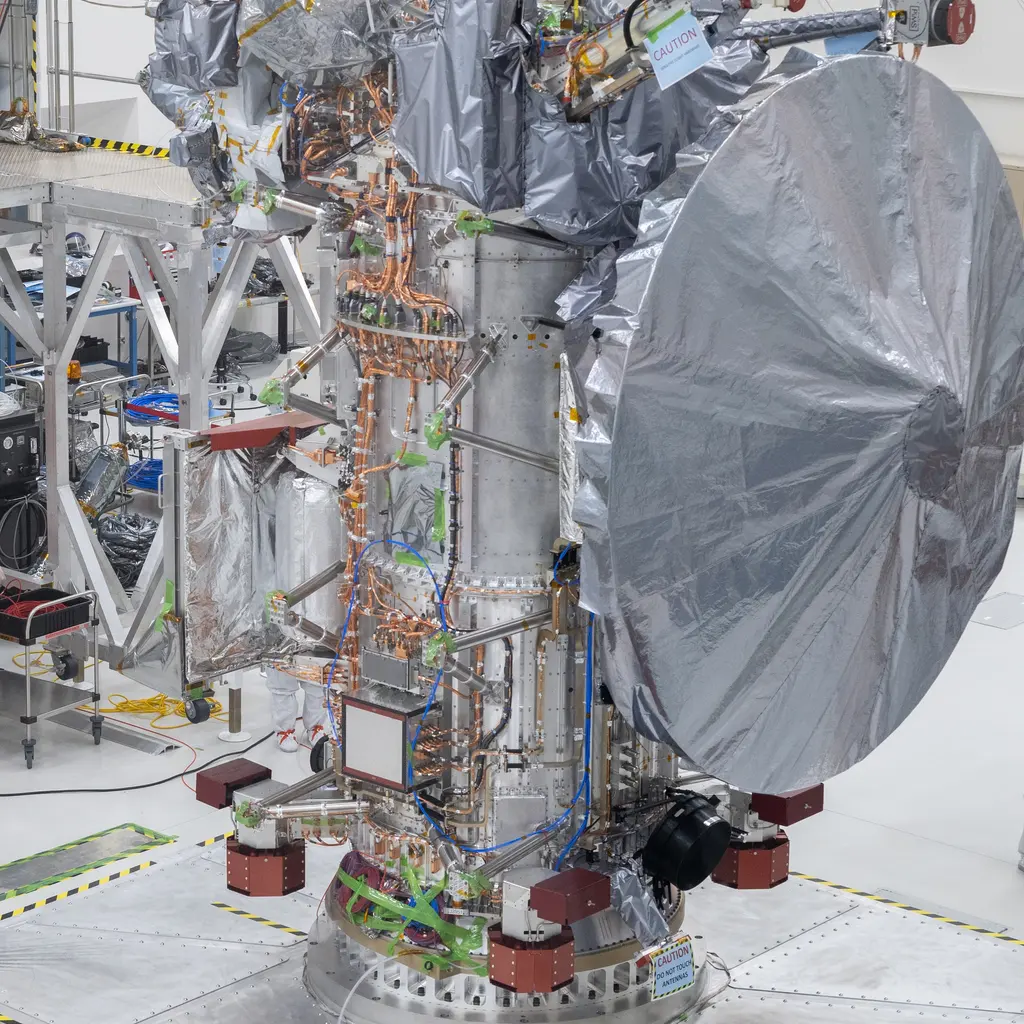
Europa Clipper's spacecraft body and high-gain antenna during assembly.

Industry overview

Your developer team designs and validates robotic spacecraft for long-duration scientific missions, blending intensive software and engineering work with precise fabrication. Managing specialized prototypes and sponsor data requires clear contract definitions regarding deliverables and acceptance.

The Southern Agency can review your engineering and development services to help select appropriate insurance for your mission support. For example, we can help you evaluate professional liability for modeling services versus product liability for flight hardware.

Risks worth discussing

Mission design and software errors

A modeling, navigation or software flaw may appear only in flight and prevent a scientific objective. Remote correction depends on the actual communications, software, and hardware constraints. A sponsor can bring a professional claim without every alleged loss being insured.

Defects in delivered flight hardware

A workmanship or component defect can cause a probe to fail. Separate liability for injury or damage to other property from the probe's own value, replacement duties, and promised mission performance.

Loss of prototypes and instruments

Specialized labs, prototypes, and one-of-a-kind scientific instruments are costly and slow to rebuild if damaged or destroyed.

Damage to flight hardware in transit

Delicate probe assemblies shipped to integration and launch partners face damage or loss in transit before they ever fly.

Theft of proprietary designs and mission data

Mission architectures, instrument designs, and sponsor data are valuable targets for cyber intrusion and intellectual-property theft.

Engineer and technician injuries

Lab fabrication, handling, and test operations expose staff to machinery, chemical, and lifting hazards.

Situations to think through

These hypothetical examples are not agency claim results. Whether a loss is covered depends on the facts, policy terms, and applicable exclusions.

  1. Hypothetical: Navigation software error

    A sponsor alleges a software flaw in the developer's design caused a probe to miss its target and seeks compensation for the mission loss. Professional liability expressly insuring those engineering and software services may pay covered defense costs and damages. The declared mission, claim, and space or performance exclusions must fit; the allegation does not itself make the full investment, a refund or the cost of correcting the work insured.

  2. Hypothetical: Instrument damaged before integration

    A scientific instrument is damaged in transit to the integration partner, creating repair or replacement costs before integration. Inland marine or cargo covering that journey and property interest may pay covered physical damage. Ownership, risk transfer, values, conveyance, packing, and temporary storage must fit the terms. A carrier's liability and the developer's goods insurance are different protections.

  3. Hypothetical: Prototype lab fire

    A fire in the development lab destroys a prototype and test fixtures, creating rebuilding and replacement costs. Property insurance may pay covered physical damage to the insured interests. Development-stage values, customer ownership, and the fire terms must fit. Payment for the physical items does not automatically fund all repeated research, delayed milestones or missed science.

Before you talk to an agent

What to have ready

Tick items as you gather them. Nothing here is saved or sent.

Questions to raise

  • Describe what the team designs, models, codes, fabricates, and validates, what sponsors rely on and which partners operate or integrate the mission. Compare insured services and products with the accepted duties. A design claim, harm to other property, and the failed probe's own value need different terms.
  • Map instrument and bus-hardware shipments to integration and launch partners, including each conveyance, country, loading, storage, and point of risk transfer. Compare actual interests and highest values with transit terms; shipment insurance does not establish cover once the mission phase changes.
  • Value prototypes, one-of-a-kind instruments, labs, and test fixtures at their actual development stage and ownership interest. Distinguish replacing physical items from reproducing research, revalidating a design, and meeting a postponed mission milestone.
  • Identify engineering repositories, sponsor data, personal information, providers, and restoration dependencies. Compare incident response and liability with the loss being claimed; copying a design does not establish payment for its full scientific or competitive value.
  • Read mission and grant agreements for scope, acceptance, milestones, indemnities, warranties, and repayment duties. Requested limits, accepted performance promises, and insured liabilities are different questions. Compare the policy's services, mission scope, dates, and reporting with the program's duration.

Contract terms to check

  • Mission and grant scopes should identify design and software deliverables, validation, acceptance, milestones, operating responsibilities, and ownership of hardware and data. Separate negligence claims from warranties, repeat-work promises, refunds, and funding-repayment obligations.
  • Compare actual sponsor or government insurance schedules, requested parties, limits and endorsements with the declared services, products, and mission phases. A certificate does not amend coverage, and accepting an indemnity does not prove every promised payment is insured.
  • Integration, test and transport agreements should identify custody, loading, storage, damage reporting, and the point each party bears loss. Compare the instrument owner's physical-damage interest with the service provider's liability; neither proves the other is insured.
  • Use the actual lab or equipment leases and any applicable financing terms to identify insured interests and values. For a mission lasting years, identify how policy continuity, claim timing, reporting, and data custody are handled when development work ends before the mission does.

What the agent conversation looks like

Start with the work you do and the questions your current policies leave unanswered. Carrier options depend on your location, risk, and underwriting. Explore our approach.

  1. ListenReview your operations, current coverage, and past claims.
  2. AssessIdentify potential hazards and discuss ways to reduce risk.
  3. BuildDiscuss policy and carrier options, premium costs, and audits.
  4. SupportReview changes and help you plan ahead as your needs develop.

Questions owners ask

Do probe developers need both professional and product liability?

A business selling engineering judgment and delivering hardware has both service and product questions to address. Professional liability may pay covered claims from errors in insured services; product liability may pay covered injury or damage to other property caused by insured hardware. The actual roles, mission phases, and exclusions must fit. Neither heading alone establishes payment for the failed probe, a promised scientific result or every sponsor demand.

Why does transit coverage matter for a probe?

An instrument can incur costly physical damage before integration or launch. Transit insurance may pay a covered repair or replacement loss for the insured interest. Identify the land, air and sea legs, countries, packing, loading, temporary storage, values, and risk-transfer terms. A carrier's liability declaration or an inland marine heading does not establish every journey or the later launch and mission phases.

How are our prototypes and instruments protected?

Property insurance may pay covered physical damage to declared lab assets, prototypes, fixtures, and scientific instruments. Identify ownership, development-stage values, and insured causes. Customer articles, damage during testing, rejected designs, and repeated research need their own terms; an insured lab building does not establish protection for all project costs.

Is our mission design intellectual property covered?

Cyber may pay covered investigation, incident response, restoration, and privacy or network-liability costs after an insured event. The data, systems, and providers must fit. A proprietary design is not necessarily personal information, and response costs do not automatically replace the design's competitive value, lost scientific results or damaged mission hardware.

Do mission contracts dictate our insurance?

Read the actual mission, grant and subcontract terms for requested limits, parties, and endorsements, as well as milestones, indemnities, warranties, and repayment duties. Compare those requests with the declared services, products, mission phases, and policy documents. A certificate does not amend coverage, and meeting a requested limit does not prove every accepted obligation is insured.

Why is design error exposure so severe for a probe?

A design or software problem can prevent a mission objective and lead to a sponsor claim after substantial development work. Remote workarounds can sometimes restore functions; physical access, communications, and correction options depend on the actual mission. Professional liability expressly covering the work may pay insured defense and damages, but mission failure alone does not prove insured negligence or reimbursement of the mission's full value.

Talk through your space probe developer coverage

Bring your questions, current policies, and relevant contracts. An agent can review coverage terms, exclusions, and the information carriers ask for, then explain the options available to you.

How can we help you get started?

Choose the quote that fits, and we’ll take it from there.

Have a question? Contact us