Skip to content

Landscaping Service Insurance

You work close to parked cars, windows and people while mowing or trimming. Liability for thrown debris is a different concern from protecting the mower on your trailer.

The Southern Agency can help you match your landscaping services, mobile equipment, and environmental risks to suitable coverage.

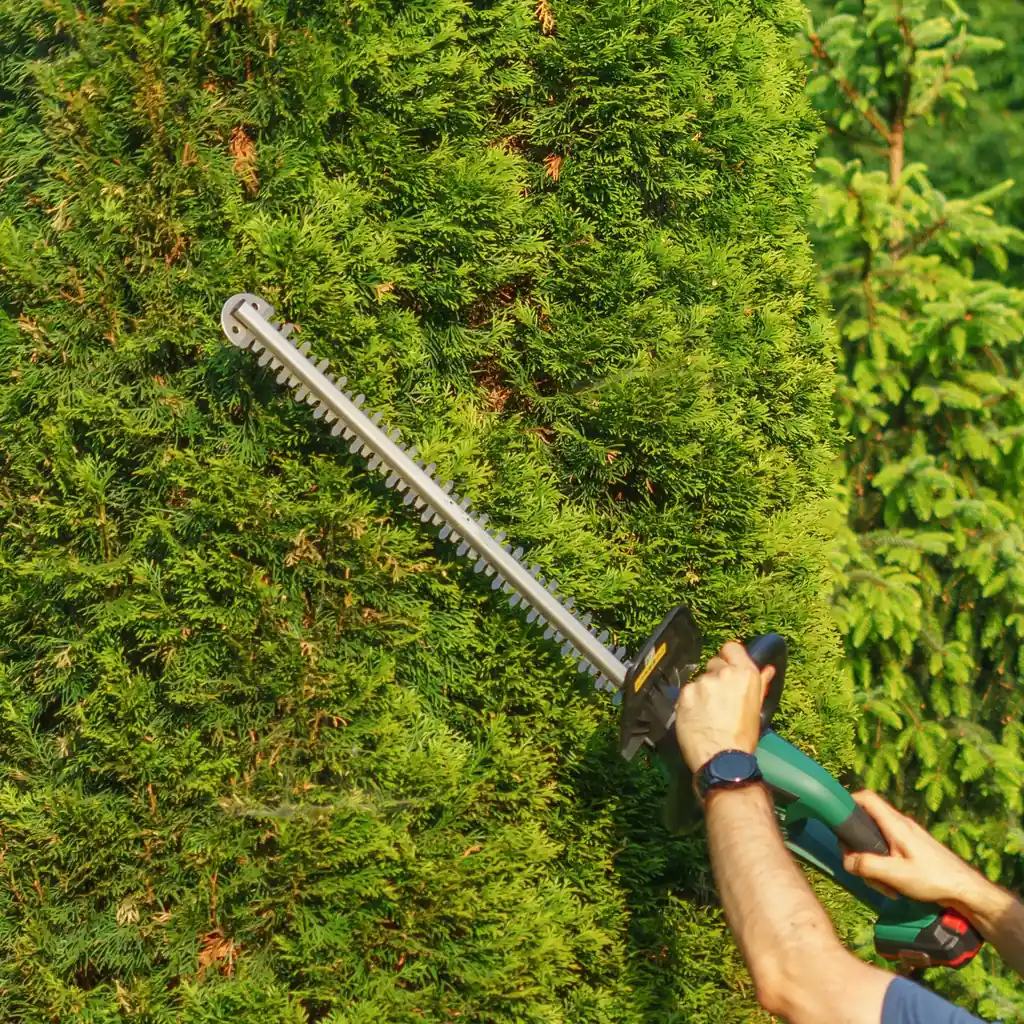
Hands guiding a power hedge trimmer against an evergreen hedge.

Industry overview

You maintain grounds and may also plant, install irrigation or build landscape features. A mower throwing debris into a car, digging that damages a utility line and a trailer load stolen between jobs affect different property and responsibilities.

The Southern Agency can help you review your service mix and equipment storage to select appropriate insurance. We can discuss how to protect your mobile gear and chemical application work.

Risks worth discussing

Damage to client property

A machine, excavation or installation error can damage lawns, lines, drives, or structures. Identify the task, item being worked on, underground information, and resulting harm elsewhere. A failed plant, corrected grade, rebuilt feature or promised result is not automatically the same loss as covered damage to other property.

Thrown-object injuries

Mowing or trimming can send debris into a bystander, window, or parked vehicle. Record the actual machine, work area, people present, and damage or injury. Third-party liability differs from damage to the landscaper's own vehicle, the cost of redoing work or benefits for an injured crew member.

Vehicle and trailer accidents

Travel, towing, hitching, and loading can involve several interests in one event. Identify truck, trailer, drivers, use, load, and duties. Liability to another road user, damage to the truck or trailer and damage to carried mowers or materials do not all follow from one auto heading.

Mobile equipment loss

Mowers, trimmers, blowers, rentals, and attachments may be stolen or damaged at jobs, in transit or at storage. Identify owner, value, location, cause, and actual security conditions. A trailer schedule or vehicle policy does not itself include every machine, missing item, breakdown, stock, or lost job.

Worker injuries

Blade contact, lifting, equipment, slopes, and heat can be part of actual outdoor duties. Identify employers, seasonal or other workers, payroll, sites, and work states. A seasonal schedule or contractor label does not settle worker status, qualifying benefits, or safety duties; third-party claims and crew injuries need separate review.

Chemical and herbicide exposure

Application, drift, runoff, overspray or a spill may harm intended or neighboring property or prompt response costs. Describe products, methods, locations, storage, and transport, including hired applicators. A credential, general liability label or treatment endorsement does not establish every product, pollution condition, plant loss, or cleanup is included.

Situations to think through

These hypothetical examples are not agency claim results. Whether a loss is covered depends on the facts, policy terms, and applicable exclusions.

  1. Hypothetical: Broken window from debris

    Hypothetical: a mower throws a rock through a client's window. Applicable GL may help pay included defense and covered property-damage liability. Check whether the company and mowing operation are insured, the specific damage and responsibility, and policy exclusions or limits. Liability for the client's window differs from damage to the landscaper's own mower, truck, or trailer.

  2. Hypothetical: Stolen equipment trailer

    Hypothetical: a loaded trailer with mowers and trimmers is stolen overnight from a job site. Applicable inland marine may help repair or replace included equipment after covered theft. Identify owners, actual items and values, site, storage and security conditions, proof, deductible, and limits. The trailer's own physical damage, rented gear, stock, and missed jobs need separate terms; one listed trailer does not insure everything on it.

  3. Hypothetical: Crew member injury

    Hypothetical: a crew member is cut using a trimmer on a slope. Applicable workers compensation may help pay medical care and qualifying wage benefits for an included work injury. Check the actual employer, worker status, work state, duties, and policy. A seasonal or outside-crew label does not settle benefits or responsibility, and GL for a bystander is not proof of crew injury cover.

Before you talk to an agent

What to have ready

Tick items as you gather them. Nothing here is saved or sent.

Questions to raise

  • List mowers, trimmers, attachments, rentals, and other gear by owner, value and site, transit or storage stage. Compare actual individual or broader tool limits, theft and security conditions, valuation and deductibles. Separate truck and trailer damage, equipment loads, plant or chemical stock, wear, breakdown and interruption instead of assuming every mobile interest fits one schedule.
  • Describe chemical and fertilizer work, products, methods, applicator roles, intended area, neighboring interests, and storage or transport. Compare treatment and pollution grants, exclusions, dates, response conditions, and limits. Check applicable credentials with the relevant authority for the product, use, and work location. Applying a treatment does not itself establish that a separate environmental policy is needed or every release or plant loss is insured.
  • Compare residential, commercial and other actual client agreements, scopes, ongoing or completed-work responsibilities, requested insured parties, waivers, and limits with policies and endorsements. Review treated or held property, utility information, subcontracted work, and guarantees. A certificate, customer's approval or provider insurance does not resolve every duty or extend the insurer's terms.
  • Compare possible serious bystander, property or road losses and defense costs with chosen liability limits and any client requests. If an umbrella or excess layer is proposed, check the actual underlying cover, required limits, and layer conditions. More limits do not prove a guarantee, excluded operation, application, tool loss, or every indemnity is insured.

Contract terms to check

  • Define actual maintenance, planting, irrigation, hardscape, grading, design, and treatment scope, including who supplies plans, approvals, utility information, and specialist work. Allocate hidden-condition, damage, completion, handoff, and correction responsibilities with qualified advice. A locate record or client approval does not settle every liability, and rebuilding work or promising plant survival is not automatically covered resulting damage.
  • Specify products and application area, authorization, client restrictions, outside applicators, and incident cooperation, including actual storage or transport duties. Compare those commitments with treatment and pollution definitions, included operations, and response terms. A product credential or private permission is not an insurer's agreement to cover every drift, runoff, spill, plant replacement or cleanup.
  • Identify actual employers and outside trades, scope, supervision, insurance, and reporting responsibilities. Compare requests for additional protection with policies and endorsements, not only provider certificates. An uninsured provider does not automatically transfer every liability to the landscaper or make every outside worker an insured employee.
  • Separate ownership, hire, finance, and custody interests in trucks, trailers, tools and materials through travel, storage, and work. Compare who must arrange replacement, meet theft and security conditions, bear deductibles, and receive loss payments with the actual property or vehicle terms. A rented machine, listed trailer or completed certificate does not establish every carried item, breakdown or delay cost is insured.
  • Review actual client requests for insured parties, ongoing or completed-work terms, limits, waivers, certificates and any specific crime, fidelity or bond instrument before committing. Keep applicable legal duties, private conditions, and insurer terms distinct. Site access or keys do not establish a universal bond, theft or rekeying grant, authority to perform every trade or availability of every requested endorsement.

What the agent conversation looks like

Start with the work you do and the questions your current policies leave unanswered. Carrier options depend on your location, risk, and underwriting. Explore our approach.

  1. ListenReview your operations, current coverage, and past claims.
  2. AssessIdentify potential hazards and discuss ways to reduce risk.
  3. BuildDiscuss policy and carrier options, premium costs, and audits.
  4. SupportReview changes and help you plan ahead as your needs develop.

Questions owners ask

Is my equipment covered when it is on a trailer or job site?

Applicable inland marine may help repair or replace included machines after covered theft or damage at included sites or in transit. Check where the gear is covered, who owns or rents it, value and any theft or storage conditions. Review cause, deductible and limits. Trailer physical damage, plants or chemicals, wear, breakdown and missed work need separate terms; auto or a listed trailer does not insure every load.

What if my crew damages a client's underground sprinkler or utility line?

Applicable GL may help pay included defense and covered resulting property damage. Describe actual digging or installation, item being worked on, underground information, damage, and responsibility, with relevant exclusions and completed-work terms. An unmarked line or client approval does not itself decide liability or cover, and faulty-work correction or every outage demand is not automatically insured.

Do I need special coverage for applying fertilizers and pesticides?

Describe the actual product, use, applicator, area, and possible drift, runoff or spill. Compare any GL treatment extension and pollution terms for included activities, damage, response, and cleanup. Neither automatic exclusion nor automatic environmental coverage follows from applying chemicals. Check credentials for the product, use and work location with the relevant authority; coverage conditions are a separate question.

Are my seasonal workers covered by workers compensation?

Identify the employer, worker status, work state, payroll, and actual tasks. Applicable workers compensation may help pay medical care and qualifying wage benefits for included work injuries. Seasonal, part-time, owner or contractor labels do not settle every obligation, exemption or benefit; qualified status and rule review may be needed.

Why isn't my personal auto policy enough for my work truck?

Do not decide from the personal or business label alone. Disclose actual ownership, drivers, hauling, towing, and other use, then compare the policy terms with those interests. Personal cover is not proof these uses are included; a business policy also needs the right vehicle, use, liability, and any purchased damage protection. Trailer and carried-equipment interests need separate review.

How are landscaping insurance premiums determined?

Useful quote information includes service and treatment mix, crews and payroll, worker roles, vehicles and trailers, equipment and stock values, sites, client mix, safety practices and prior claims. Compare selected liability limits, valuation, deductibles, and endorsements with the operation and requests. These are review factors, not a premium formula or assurance of availability.

Talk through your landscaping service coverage

Bring your questions, current policies, and relevant contracts. An agent can review coverage terms, exclusions, and the information carriers ask for, then explain the options available to you.

How can we help you get started?

Choose the quote that fits, and we’ll take it from there.

Have a question? Contact us