

Installation defects and seam failures
Buckling, lifting seams, hollow spots, or improper acclimation can require removal and replacement. Correcting the covering alone differs from a claim for resulting injury or damage to other property.
Try a different word, or check the spelling.
Your covering may be ready to lay before the subfloor is ready to receive it. Insurance needs to distinguish correcting a failed installation from liability for resulting injury or damage.
The Southern Agency can help you assess your job-site operations to select appropriate insurance.
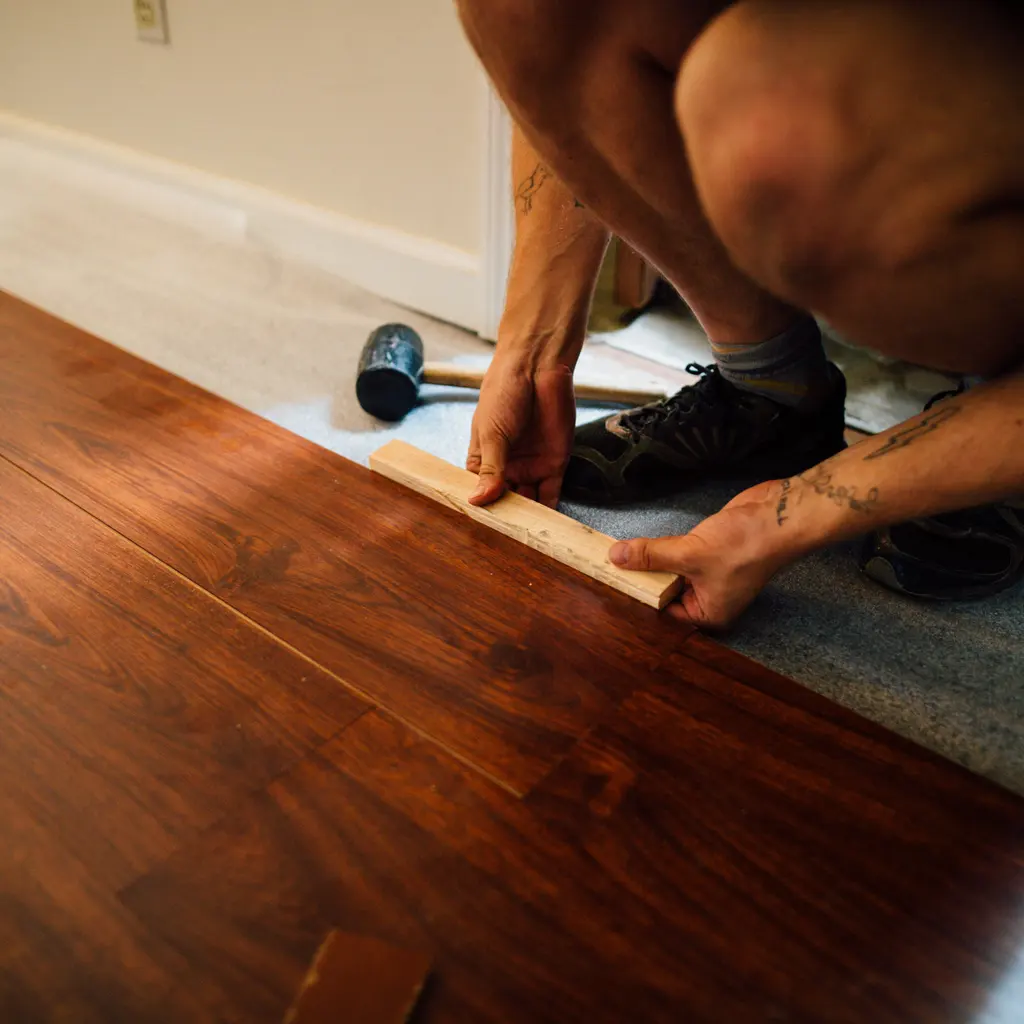
You prepare subfloors and install carpet, vinyl, or laminate, which often involves moving heavy furniture or appliances. Accidents during these tasks, such as dropping an appliance or damaging finishes, can result in repair claims.
The Southern Agency can review your products, substrate duties and moving agreements to help select insurance. We can compare liability for resulting harm with protection for tools and included materials, keeping a damaged appliance or failed covering separate from damage to surrounding rooms.
Buckling, lifting seams, hollow spots, or improper acclimation can require removal and replacement. Correcting the covering alone differs from a claim for resulting injury or damage to other property.
Vinyl and laminate installed over damp or untested subfloors can trap moisture, causing failures and mold-related complaints.
Moving furniture and appliances and trimming material in finished rooms can scratch walls, dent trim, and damage belongings.
Solvents and adhesives used in occupied spaces can create odor and air-quality complaints from residents and staff.
Kneeling, lifting rolls and using knives and tackless strips expose installers to knee and back strain and lacerations.
Seam irons, stretchers, and rolls of covering carried between jobs in vans are exposed to theft and damage.
Policies to ask about. Which ones fit depends on your operations, your contracts, and the carrier’s forms.
Ready to compare options?
Get a quote for Floor Covering Installation Contractor Or call 1-800-777-1TSAThese hypothetical examples are not agency claim results. Whether a loss is covered depends on the facts, policy terms, and applicable exclusions.
Hypothetical: vinyl buckles months after installation over a damp slab and the owner demands replacement. Preserve substrate tests and product and installation records. Completed-operations terms may address covered resulting injury or other-property damage, but replacing the covering or correcting the slab alone is separate. Identify any resulting harm and review water, fungi and work exclusions.
Hypothetical: a crew carrying rolls upstairs gouges finished hardwood treads. GL may address covered surrounding-property damage under actual work-property and custody terms. Identify the stair work, property handled and access responsibilities; the repair demand alone does not determine coverage or include damaged covering rolls.
Hypothetical: an appliance moved for kitchen flooring is dropped. Liability or property terms may address covered damage if the moving operation, customer interest and cause are included. Identify owner and agreed moving responsibility and check custody and work-property restrictions; a demand alone does not establish coverage for every handled item.
Start with the work you do and the questions your current policies leave unanswered. Carrier options depend on your location, risk, and underwriting. Explore our approach.
Discuss liability for injury or damage to others, tools and specified stock, vehicle protection, and workers' compensation. Describe actual products, preparation, removal, and moving services. The mix and availability depend on operations, employment arrangements, and underwriting, not a standard package for every installer.
General liability may address covered damage to surrounding walls, stairs or trim. Furnishings and appliances moved or worked on need separate custody and work-property review. Identify the affected property and actual moving agreement; the owner's demand alone does not establish payment.
GL completed operations may address covered resulting injury or property damage, not automatically removal, replacement or moisture correction of your failed installation. Review actual work, water, fungi, and other exclusions; a warranty is a separate promise.
Liability terms may address covered resulting injury or damage to other property, but replacing buckled vinyl or laminate or correcting the damp substrate alone is a separate cost. Keep moisture tests, substrate approvals and work and damage dates. Check actual water, fungi, and work exclusions; testing or later discovery alone does not establish coverage.
Inland marine may help with covered theft or damage to insured seam irons, stretchers, and other tools in transit or at sites. Check materials and customer-supplied goods separately by interest, value, location, and cause. A tool schedule does not automatically insure every roll or appliance.
Read the actual client or GC contract for liability, workers' compensation, limits, and ongoing or completed-operations additional-insured requests. Compare those requests with issued policies and endorsements. A certificate does not add missing rights or establish that every requested term is available.
Bring your questions, current policies, and relevant contracts. An agent can review coverage terms, exclusions, and the information carriers ask for, then explain the options available to you.