

Tile and stone workmanship failures
Cracking, lippage, hollow spots or failed grout can require removal and reinstallation. A demand to correct the floor alone differs from a claim for resulting injury or damage to other property.
Try a different word, or check the spelling.
Sanding or grinding one room can send dust beyond the area you are finishing. Your property-damage liability and crew protection need to fit the actual flooring materials and methods involved.
The Southern Agency can help you consider installation damage, portable equipment, and the finishing methods you use.
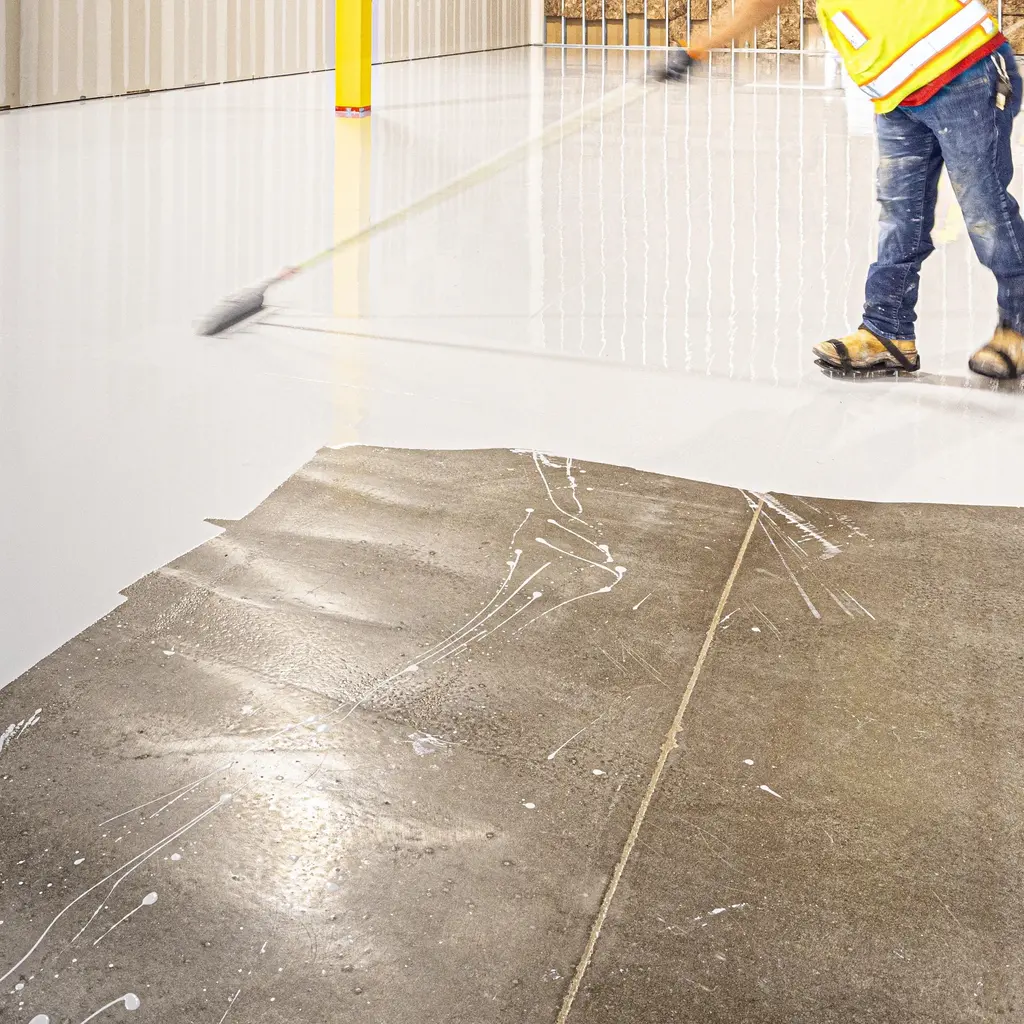
You install and refinish floors using tile, hardwood, or stone, often working near finished cabinetry and in occupied buildings. Grinding dust can migrate, and heavy tools or materials can damage property or injure your crew.
The Southern Agency can review your actual materials, preparation and finishing methods to help choose insurance. We can compare liability for resulting damage with crew benefits and protection for mobile machines, keeping dust cleanup, damaged contents and replacing a failed floor as separate questions.
Cracking, lippage, hollow spots or failed grout can require removal and reinstallation. A demand to correct the floor alone differs from a claim for resulting injury or damage to other property.
Hardwood finishes that bubble, peel, or fail to cure can mean re-sanding and refinishing entire floors at the contractor's cost.
Grinding and sanding generate dust that can spread through a building, damaging finishes and creating air-quality complaints.
Flammable finishes and rags create odor, air-quality, and ignition exposure during application and curing in occupied spaces.
Demolition, material staging, and machinery can damage walls, cabinets, and trim around the work area.
Crews face silica exposure, back strain handling stone and mortar, and lacerations from saws and grinders.
Floor sanders, grinders, tile saws, and mixers that travel between jobs face breakdown, damage, and theft.
Policies to ask about. Which ones fit depends on your operations, your contracts, and the carrier’s forms.
These hypothetical examples are not agency claim results. Whether a loss is covered depends on the facts, policy terms, and applicable exclusions.
Hypothetical: tile cracks across several rooms after installation and the owner demands replacement. Determine whether the demand is only to correct tile or substrate or includes separate injury or damage to other property. Completed-operations terms may address covered resulting harm, not automatically removing and reinstalling the failed floor.
Hypothetical: grinding dust travels through HVAC and coats cabinetry. GL may address covered resulting property damage if the operation and cause are included. Distinguish damaged property from cleaning-only demands and check dust, silica, pollution and work-property restrictions; an invoice alone does not establish coverage or the required repair.
Hypothetical: hardwood finish stays tacky and needs sanding and reapplication. Keep product, batch, mixing, substrate and cure records. Reperforming the finish alone is not automatically an insured liability loss, even after handoff; identify any separate resulting harm before assuming completed operations pays.
Start with the work you do and the questions your current policies leave unanswered. Carrier options depend on your location, risk, and underwriting. Explore our approach.
Discuss liability for injury or damage to others, protection for tools and specified stock, vehicle coverage and workers' compensation. Describe actual tile, stone, wood, resilient, demolition, and finishing work. The mix and availability depend on operations, employment arrangements, and underwriting.
Completed operations may address covered resulting injury or damage after work, subject to actual terms. Cracked flooring or tacky finish needing only correction is not automatically insured. Review replacement, reapplication, warranty, and any professional obligations separately.
Employee exposure, third-party injury, damaged contents and cleaning-only demands need separate review under applicable workers' compensation and liability terms. Describe materials, tasks and controls and check silica, dust and pollution wording. Controls do not promise lower rates, accepted coverage or safety approval.
General liability may address covered fire damage to other property from accepted finishing work. Check actual causes, products and conditions; own work and stock need separate review. Product-specific ventilation, ignition and waste requirements matter, and insurance does not establish fire-safety compliance.
Inland marine may help with covered theft or damage to insured sanders, grinders, and saws in transit or at sites. Check values, rentals, and security. Internal breakdown and wear are different questions; any machine-failure, income or delay protection needs its own terms.
Read the actual contract for limits and ongoing or completed-operations additional-insured rights. Excess may add limits above covered underlying liabilities, but compare attachment, accepted methods, and exclusions. A certificate or higher limit does not add missing rights or establish that all requested terms are available.
Bring your questions, current policies, and relevant contracts. An agent can review coverage terms, exclusions, and the information carriers ask for, then explain the options available to you.