Skip to content

Epoxy Flooring Contractor Insurance

Your choice of resin and hardener affects the application conditions as well as the finished floor. Pollution and worker protection need to reflect the actual coating system, not treat every product alike.

Start with your coating products, the facilities you work in and any insurance requirements for the next job.

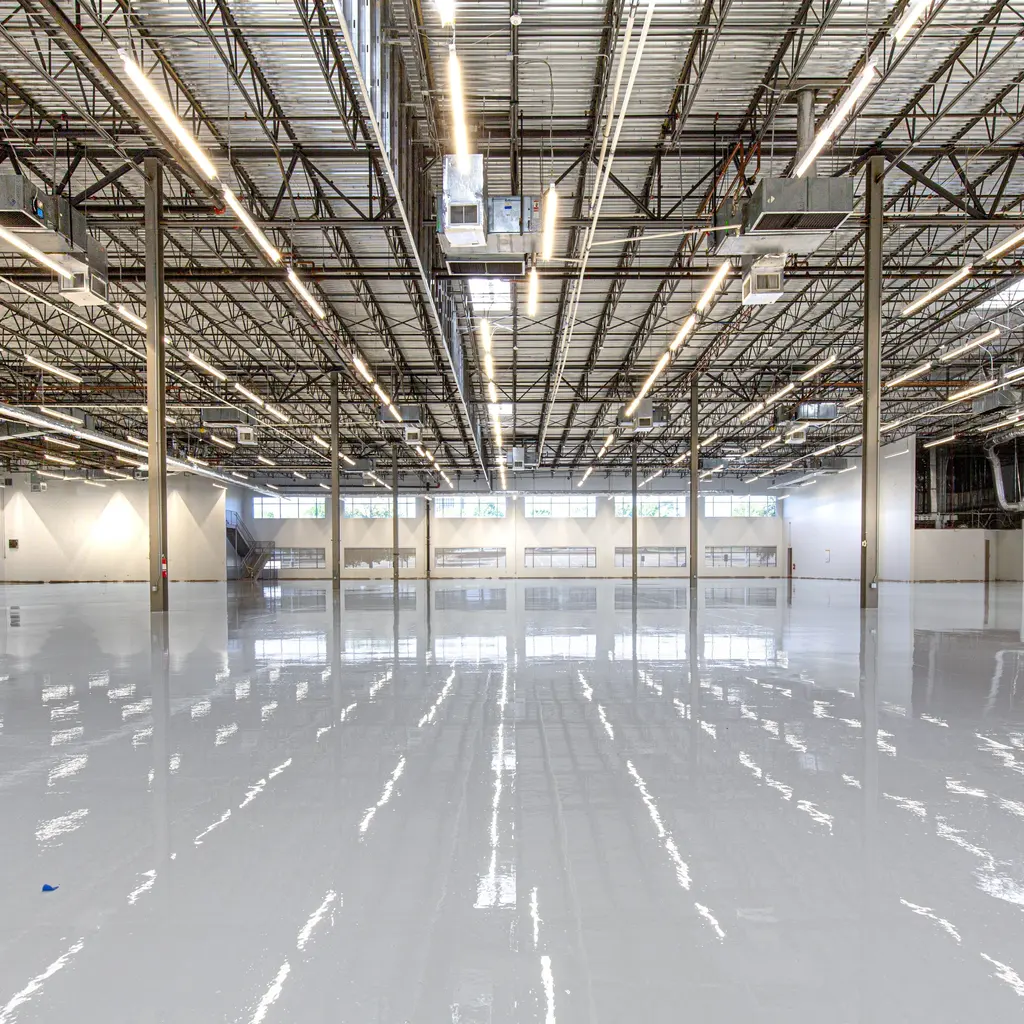
A large industrial interior with a seamless glossy epoxy floor reflecting the overhead structure and lights.

Industry overview

You prepare concrete surfaces and apply resinous coatings in various facilities, using equipment like grinders and shot-blasters. During these processes, dust, chemical fumes, or application errors can lead to property damage or occupant health concerns, while finished floors may present slip hazards.

The Southern Agency can review your coating systems, surface preparation and work in occupied buildings. We can help you compare liability for occupant injuries and damaged contents with environmental coverage, employee injury benefits and protection for the equipment you take to each job.

Risks worth discussing

Solvent fumes and VOC exposure

Actual resins, hardeners, and solvents determine fume and VOC hazards. Migration in occupied buildings can prompt illness or cleanup allegations. Review product and ventilation records and actual pollution wording rather than assume every system has the same emissions or insurance treatment.

Silica dust from surface prep

Grinding and shot-blasting concrete generates respirable crystalline silica, raising crew health and OSHA compliance concerns.

Coating adhesion and curing failures

Improper moisture testing or curing can cause bubbling, peeling, or delamination that requires costly removal and reapplication.

Slip-and-fall on finished floors

A freshly coated or improperly textured floor can be unexpectedly slick, leading to slip-and-fall claims once in use.

Damage to adjacent surfaces and contents

Overspray, spills, and dust during prep and application can damage walls, equipment, and stored goods in occupied facilities.

Tool and mixing equipment loss

Grinders, shot-blasters, mixers, and squeegee systems are valuable and exposed to theft and damage between job sites.

Situations to think through

These hypothetical examples are not agency claim results. Whether a loss is covered depends on the facts, policy terms, and applicable exclusions.

  1. Hypothetical: Fumes affect building occupants

    Solvent fumes from a coating job migrate through a building and occupants report illness. Environmental coverage may address covered investigation and liability costs if the operation and contaminants are included. Preserve actual products, application, and ventilation records and check reporting terms. Occupant injury, cleanup, and employee exposure are separate questions, not one automatic pollution payment.

  2. Hypothetical: Coating peels after install

    A warehouse coating delaminates within weeks and the client demands removal and reapplication. Completed-operations terms may address covered resulting injury or other-property damage, but correcting the coating alone is a separate cost. Identify any separate harm and review actual workmanship and warranty terms; discovery after installation does not automatically insure the redo.

  3. Hypothetical: Slip on a new epoxy floor

    A visitor slips on a freshly coated showroom floor and is injured. General liability may respond to the claim, depending on policy terms and the facts of the incident.

Before you talk to an agent

What to have ready

Tick items as you gather them. Nothing here is saved or sent.

Questions to raise

  • Provide resin, hardener, solvent and coating product lists, application methods and safety data. VOC and flammability profiles vary by system.
  • Review explicit acceptance of coating operations, fumes, VOCs, silica, overspray, and spills under actual GL and pollution terms, including occupied industrial sites and reporting.
  • Separate a delaminating or peeling coating requiring removal and reapplication from resulting injury or other-property damage. A warranty on adhesion, chemical resistance or slip performance is not automatically insured.
  • Keep substrate and moisture tests, preparation, mix and batch information, application, and cure records and agreed reopening and slip specifications. Use product and site requirements rather than one universal cure interval.
  • Distinguish employee exposure, occupant illness, and cleanup or property demands, with actual dust, respiratory, and ventilation controls.
  • List grinders, shot-blasters, mixers, and rented items separately from chemical stock, vehicles, and faulty-application costs.

What the agent conversation looks like

Start with the work you do and the questions your current policies leave unanswered. Carrier options depend on your location, risk, and underwriting. Explore our approach.

  1. ListenReview your operations, current coverage, and past claims.
  2. AssessIdentify potential hazards and discuss ways to reduce risk.
  3. BuildDiscuss policy and carrier options, premium costs, and audits.
  4. SupportReview changes and help you plan ahead as your needs develop.

Questions owners ask

What insurance does an epoxy flooring contractor need?

Discuss liability for resulting injury or property damage, actual pollution needs, employee benefits, mobile equipment, and vehicle protection. Describe products, preparation, occupied sites, and warranties. The mix and availability depend on operations, employment arrangements, and underwriting, not a standard package for every resinous-floor installer.

Why might I need environmental liability?

GL may restrict fumes, VOCs or spills as pollution. Environmental terms may address covered liability, investigation or cleanup if actual operations and contaminants are included. Check product, site, reporting, and any retroactive-date terms; neither a coating label nor a pollution policy establishes every claim's coverage.

Are slip-and-fall claims on my floors covered?

General liability may respond to injuries on a finished floor, though facts and specifications matter. Coverage depends on the specific policy, endorsements, and circumstances.

What about a coating that peels or fails?

Completed-operations terms may address covered resulting injury or damage to other property. Removing and reapplying a failed coating alone or meeting an adhesion warranty is a separate cost. Keep preparation, moisture, mix, cure, and handoff records and identify any separate harm; later discovery does not automatically insure the redo.

Is my prep equipment covered off-site?

Inland marine may help with covered theft or damage to insured grinders, shot-blasters, and mixers at sites or in transit. Check values, owned and rented interests, security and causes separately from chemical stock, wear, or internal breakdown. Listing equipment does not automatically insure every material or idle-crew cost.

How is silica dust addressed by insurers?

Describe actual concrete-preparation tasks, exposure periods, and dust or respiratory controls. Workers' compensation may provide qualifying employee injury or occupational-disease benefits under applicable law. Third-party injury, damaged contents and cleanup need separate liability or pollution review; controls do not establish coverage, a premium credit or safety compliance.

Talk through your epoxy flooring contractor coverage

Bring your questions, current policies, and relevant contracts. An agent can review coverage terms, exclusions, and the information carriers ask for, then explain the options available to you.

How can we help you get started?

Choose the quote that fits, and we’ll take it from there.

Have a question? Contact us