

Trip-and-fall on finished flooring
A loose seam, ripple, or uneven transition can cause someone to trip after installation, creating completed-work liability.
Try a different word, or check the spelling.
Customers begin walking on your work as soon as the room is ready. Completed-work liability for seams and transitions needs attention beyond replacing tools or correcting a poor fit.
The Southern Agency can help you review occupied-home installation, completed seams, customer belongings and carpet or tools away from your shop.
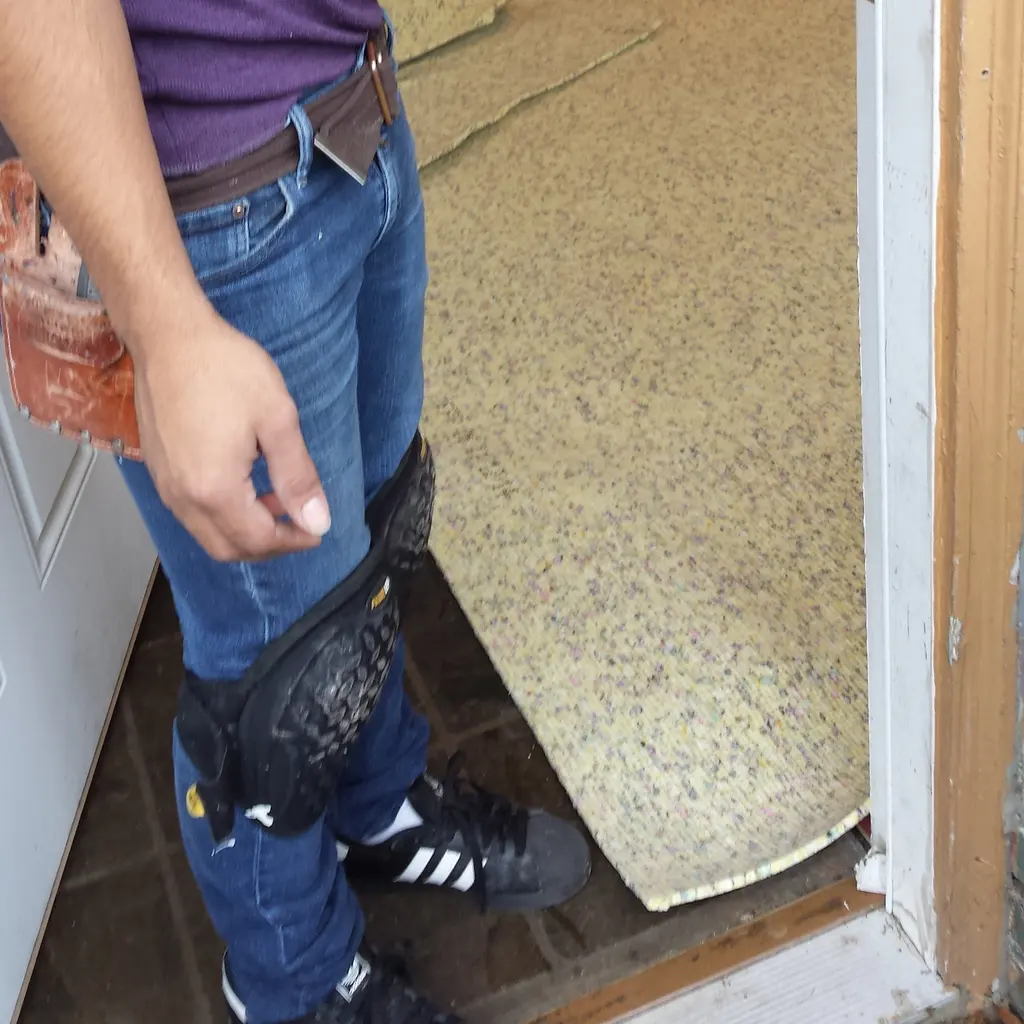
You measure, cut, and lay carpet in homes and offices, which often requires moving furniture and working with sharp tools. A trip-and-fall over a loose seam or damage to a customer's trim while moving material can create liability for your business.
The Southern Agency can review your installation process and storage facilities to help you select appropriate insurance. For example, we can help you weigh the need for liability coverage regarding potential property damage against the separate risk of employee injuries during installation.
A loose seam, ripple, or uneven transition can cause someone to trip after installation, creating completed-work liability.
Moving furniture and equipment in occupied spaces risks scratching walls, denting trim, or damaging belongings.
Kneeling, stretching carpet, and lifting heavy rolls expose installers to repetitive-motion and lifting injuries.
Expensive rolls of carpet and pad can be miscut, stained, or damaged in transit or during installation.
Solvent adhesives and removal of old flooring can raise air-quality and waste-disposal exposure on the job.
Stretchers, seam irons, and knives travel between jobs and are exposed to theft from vehicles and sites.
Policies to ask about. Which ones fit depends on your operations, your contracts, and the carrier’s forms.
These hypothetical examples are not agency claim results. Whether a loss is covered depends on the facts, policy terms, and applicable exclusions.
A customer trips on a seam weeks after installation and alleges injury. GL completed-operations terms may address a covered injury claim. Repairing the seam or replacing a poorly installed carpet is a separate cost, not automatically paid with the injury claim.
A crew damages a customer's table while shifting it to lay carpet. Liability or property coverage may respond if the actual moving operation, customer interest and cause are insured. Review care-custody-control and property-being-worked-on terms and disclose any separate moving agreement; ordinary GL does not automatically insure every item handled.
A roll of premium carpet is soaked when a van leaks during transport. Inland marine may address covered loss to insured material in transit. Identify ownership, values and the cause of water entry and review water and maintenance restrictions. Listing tools or insuring the van does not establish coverage for the carpet.
Start with the work you do and the questions your current policies leave unanswered. Carrier options depend on your location, risk, and underwriting. Explore our approach.
Possibly. General liability may respond to trip-and-fall claims alleging your installation was defective, depending on the specific policy, completed-operations terms, and the facts.
General liability may address covered damage to surrounding walls or finishes. Furniture moved or worked on needs separate custody and work-property review. Identify the owner, affected item and agreed moving service; a customer's demand alone does not establish payment for every handled belonging.
Inland marine may help with covered theft or damage to included carpet and pad. Review owned and customer material, values, loading and unloading, transit, site storage, and actual causes, including water entry. Vehicle physical damage or a tool schedule does not automatically insure every roll or installation error.
Coverage may provide qualifying employee medical and wage benefits after work injuries. Requirements depend on actual employers, employees, subcontracted labor and work states under applicable law. Provide payroll and kneeling, lifting and cutting duties; small crew size or a subcontractor certificate alone does not establish an exemption.
Read the actual client or property-manager contract for liability, workers' compensation, excess limits, and ongoing or completed-operations additional-insured requests. Compare issued policies and endorsements with those requests. A certificate or higher limit does not add missing rights or establish that every requested term is available.
An eligible operation may combine liability with specified showroom or warehouse property. Describe installation, adhesives, stock, and customer material interests. Review off-site rolls, mobile tools, vehicles, and employee protection separately; a fixed location alone does not establish eligibility or that all these interests are included.
Bring your questions, current policies, and relevant contracts. An agent can review coverage terms, exclusions, and the information carriers ask for, then explain the options available to you.