

Damage to customer building finishes
Moving carts, panels, and casegoods through finished offices can scratch floors, dent walls, and damage doors and elevators.
Try a different word, or check the spelling.
The furniture you handle and the finished office around it belong to different insurance interests. Coverage needs to address customer goods in your care as well as damage caused while moving and assembling them.
The Southern Agency can help you review customer furniture, occupied buildings, and the handling stages in your contracts.
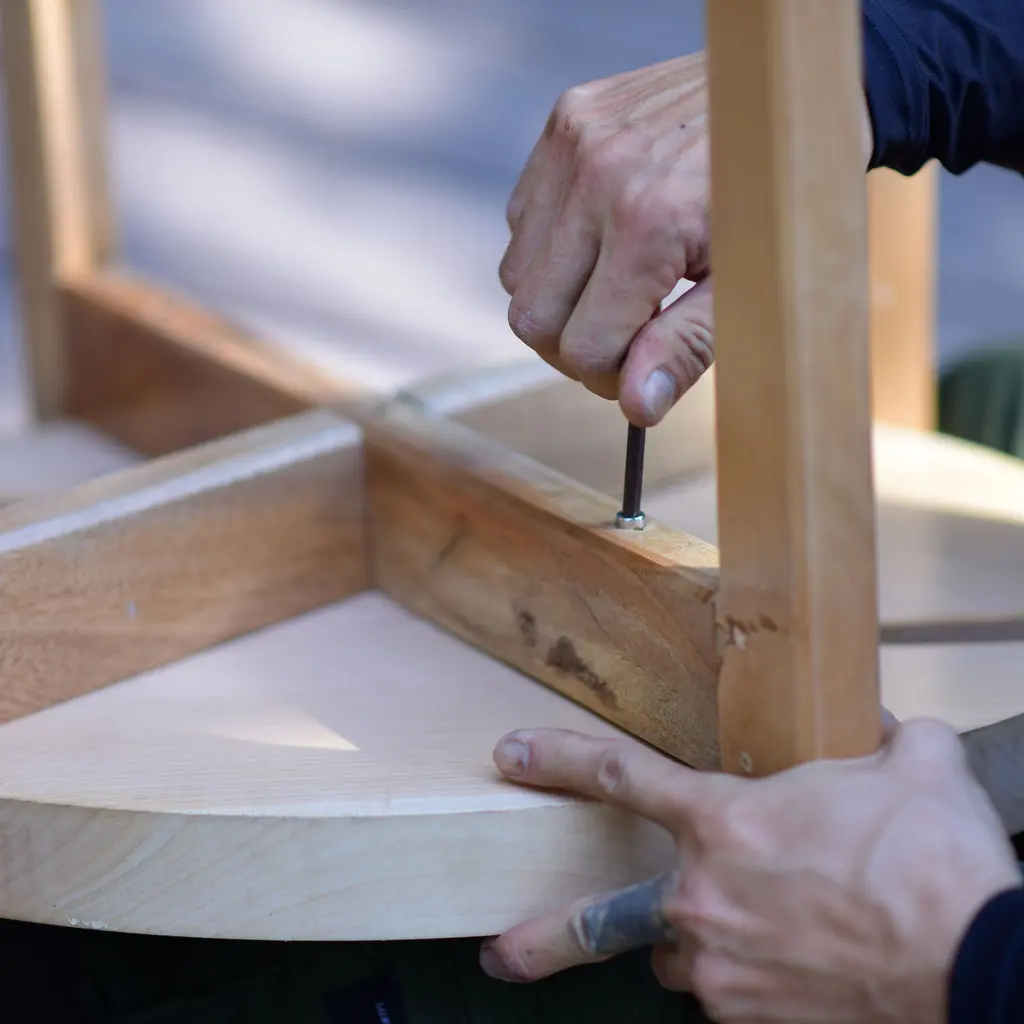
You deliver and assemble office furniture, often moving heavy items through finished lobbies and offices. A cart strike or an unstable panel setup can damage a building or injure an occupant.
The Southern Agency can review your transit and installation operations to help you select appropriate insurance, such as liability for site damage or coverage for tools and customer goods in your care, while identifying handling limits.
Moving carts, panels, and casegoods through finished offices can scratch floors, dent walls, and damage doors and elevators.
Product staged, assembled, or stored by the installer can be scratched or broken, raising care-custody-and-control claims.
Improperly braced cubicle panels or stacked components can tip, injuring workers or occupants and damaging property.
Handling heavy panels, worksurfaces, and casegoods exposes crews to strains, crush, and pinch injuries on fast-paced jobs.
Power and data connections add electrical duties where included in the assignment. Actual connections and the party performing them matter; the office-furniture label does not establish minor or accepted electrical work.
Furniture hauled between warehouse and site, and product staged in the contractor's space, faces transit and storage damage.
Policies to ask about. Which ones fit depends on your operations, your contracts, and the carrier’s forms.
These hypothetical examples are not agency claim results. Whether a loss is covered depends on the facts, policy terms, and applicable exclusions.
Hypothetical: casegoods staged in your warehouse are found scratched before delivery. Customer-goods terms may address covered loss if the interest, storage stage and cause are included. Record initial condition, custody and values and check handling or processing restrictions; insurance on the warehouse, carts or tools does not automatically insure the furniture.
Hypothetical: a loaded cart gouges polished lobby flooring during an after-hours installation. GL may address covered surrounding-property damage under actual work-property and custody terms. Identify the crew's access and handling duties; liability for the lobby does not automatically insure the furniture on the cart.
Hypothetical: an unbraced cubicle run tips the next day and injures an occupant. GL may address covered completed-operations injury liability. Preserve assembly, bracing, acceptance and access records and check actual terms; stabilizing or replacing every panel run is separate, not automatically part of the injury response.
Start with the work you do and the questions your current policies leave unanswered. Carrier options depend on your location, risk, and underwriting. Explore our approach.
Discuss liability for injury or building damage, protection for tools and specified customer goods, vehicle coverage and workers' compensation. Describe receiving, storage, delivery, assembly, and powered-panel work. The mix and availability depend on actual operations, employment arrangements and underwriting.
Customer-goods property coverage may address covered loss if it includes the owner's interest, cause, and handling stage. Check transit, storage, unloading and assembly terms, values and processing restrictions. Custody alone, a tools limit or insurance on the truck does not establish coverage on every piece.
General liability may address covered damage to surrounding floors, walls, or elevators. Identify the property being worked on or controlled by the crew and review those restrictions. Damage to the building and damage to the furniture being installed are separate interests.
Identify who owns the furniture and bears loss during receiving, storage, and release for delivery. Customer-goods or other property terms may insure a covered loss, but review peak values, valuation, locations and handling restrictions. Insurance on the warehouse building alone does not establish protection for customer stock.
Describe the actual power and data connections, who performs them, and any subcontracted electrical work. Check accepted operations and exclusions rather than assuming all connections are incidental or insured. Insurance does not establish licensing or electrical authorization.
A client may request limits and ongoing or completed-operations additional-insured rights. Bring the actual contract and compare its requests with issued endorsements, accepted operations, and excess attachment. A certificate does not supply missing rights or confirm that every requested term can be provided.
Bring your questions, current policies, and relevant contracts. An agent can review coverage terms, exclusions, and the information carriers ask for, then explain the options available to you.