

Property damage on customer premises
Moving equipment and drilling into walls or ceilings in occupied spaces can damage finishes, flooring, and existing systems.
Try a different word, or check the spelling.
Your tool kit may be familiar even when each customer's equipment and connections are different. Coverage needs to fit the actual systems you touch and the customer items you carry, not only your own tools.
The Southern Agency can help you manage your mobile operations and customer-premises risks.
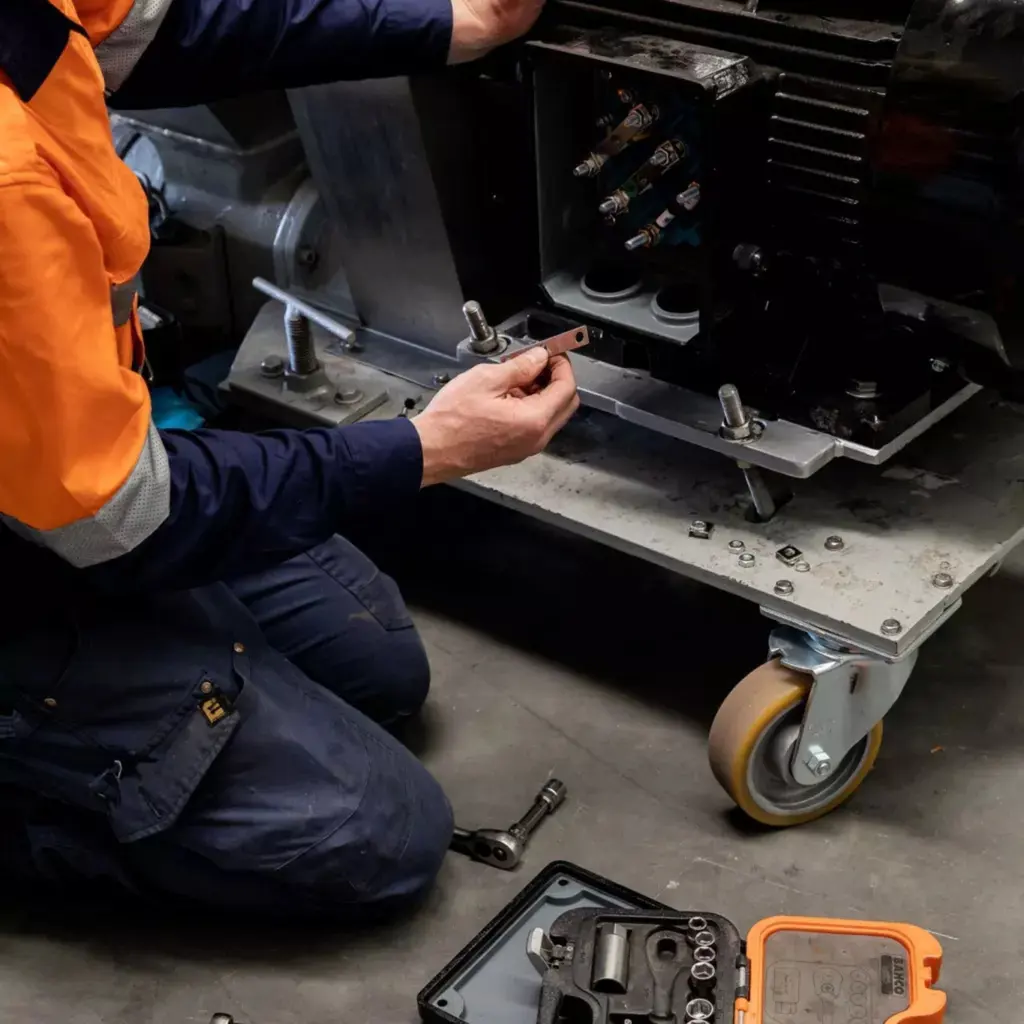
You travel between various customer sites to mount equipment, repair systems, and assemble fixtures in occupied spaces. Working in finished homes or businesses can lead to accidental damage to walls, flooring, or existing utility systems.
The Southern Agency can review your work orders, systems and handling stages to help choose insurance. We can compare liability for resulting harm with crew benefits and protection for tools or included customer goods, keeping failed-item correction and property you are working on separate from surrounding damage.
Moving equipment and drilling into walls or ceilings in occupied spaces can damage finishes, flooring, and existing systems.
An item that is improperly installed or repaired can fail later, causing damage or injury and a completed-operations claim.
Connecting to existing water, gas, or electrical systems can cause leaks, shorts, or fire if the work is done incorrectly.
Hand tools, power tools, and customer-supplied items carried between jobs can be lost, damaged, or stolen from trucks or sites.
Crews driving between multiple customer locations each day face elevated collision and liability exposure on the road.
Lifting, ladder work, and unfamiliar job conditions expose technicians to strains, falls, and other on-site injuries.
Policies to ask about. Which ones fit depends on your operations, your contracts, and the carrier’s forms.
These hypothetical examples are not agency claim results. Whether a loss is covered depends on the facts, policy terms, and applicable exclusions.
Hypothetical: mounting equipment cracks a tiled wall. Identify the area being drilled, the installed item and any separate surrounding damage, then review work-property and custody restrictions. A repair demand alone does not establish GL payment.
Hypothetical: a reconnection leaks overnight and damages flooring. GL may address covered resulting damage if the actual connection duty and cause are included. Preserve diagnosis, testing and handoff records and check water and work-property terms; repeating the repair, replacing the faulty item or meeting a warranty is separate.
Hypothetical: tools are stolen from an overnight van. Check listed tools and values, theft/security conditions, location and deductible; review parts and customer goods separately. Auto physical damage on the van does not automatically cover its contents.
Start with the work you do and the questions your current policies leave unanswered. Carrier options depend on your location, risk, and underwriting. Explore our approach.
It may address covered resulting injury or property damage from declared and accepted service duties. Identify the installed or repaired item, surrounding property and any gas, water or electrical connection. Actual trade, work-property, custody and professional restrictions matter; an installation/repair label is not acceptance of every system.
Inland marine commonly covers tools and equipment in transit and at job sites, subject to policy limits and underwriting.
GL completed operations may address covered resulting injury or property damage after handoff. A failure needing only replacement, repeated repair or warranty correction is separate. Preserve diagnosis, test, handoff and damage dates and prior policies; a callback alone does not establish coverage or select an insurer.
Check the actual agreement for limits and ongoing or completed-operations additional-insured requests. Compare issued endorsements and accepted trades with the requirement before agreeing to it. A certificate or higher limit does not create missing rights or confirm every requested term is available.
Requirements depend on applicable law and employment arrangements, not ladder or lifting exposure alone. Identify actual employers, states, headcount, payroll and subcontracted crews. Workers' compensation may provide qualifying benefits; GL does not replace them, and a contractor label does not determine worker status.
It may be insured under customer-goods or other terms that accept the owner's interest, cause and actual transport, storage, processing or repair stage. Describe what you handle and peak values and check custody/work-property restrictions. A tools schedule or insurance on the van does not establish protection for every customer item.
Bring your questions, current policies, and relevant contracts. An agent can review coverage terms, exclusions, and the information carriers ask for, then explain the options available to you.