

Spray-foam chemical exposure
Two-part foam releases fumes during application, and inadequate ventilation or protection can lead to respiratory and chemical-exposure claims.
Try a different word, or check the spelling.
Your insulation may be concealed before an odor or inspection complaint arises. Coverage for resulting harm needs to be distinguished from the cost of removing or correcting the material.
The Southern Agency can help you protect your rigs, tools, and business from on-site risks.
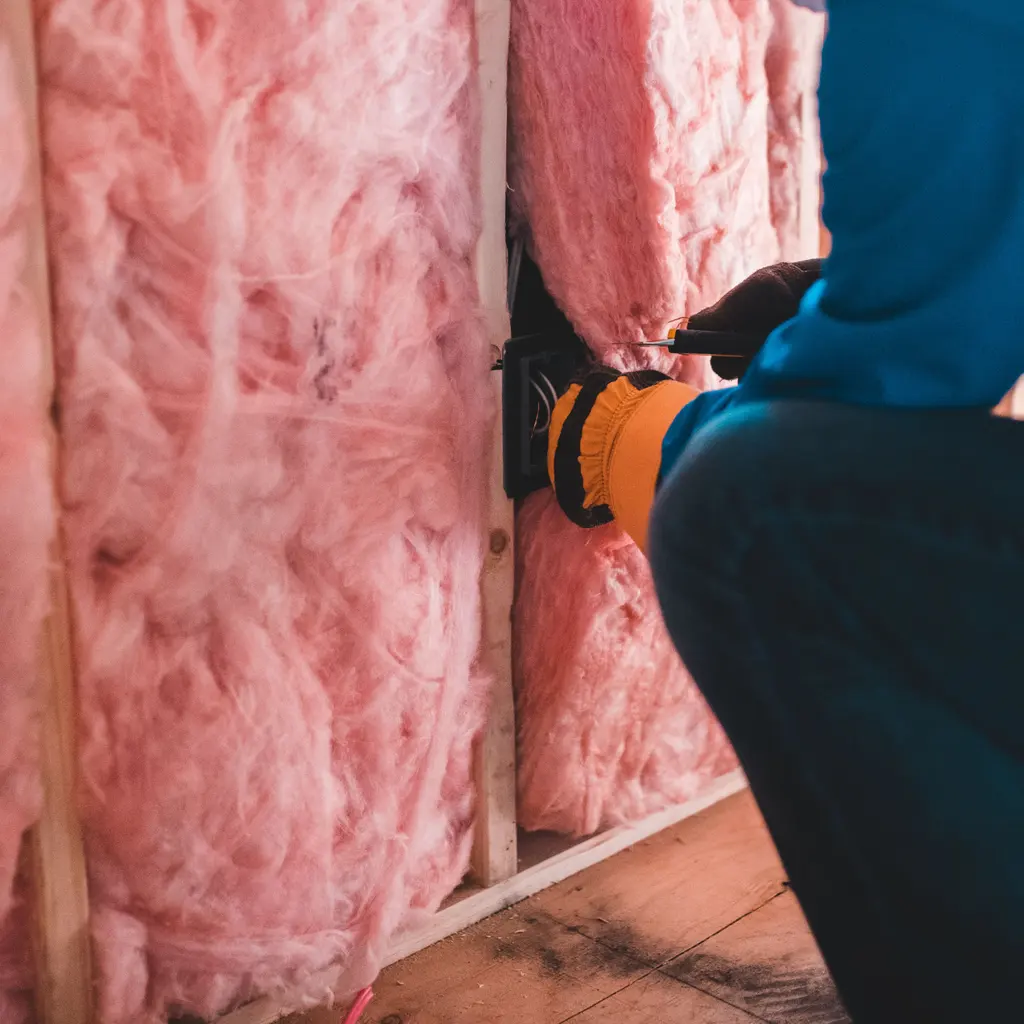
You fit batts, blow in loose material or apply foam in wall cavities, attics and crawlspaces. Awkward access and heat affect your crew, while fibers or dust can reach occupants. If you spray foam, product mixing, application and reentry add chemical and odor questions.
The Southern Agency can review your products and installation methods to help choose insurance. We can compare liability for resulting harm with employee benefits and protection for rigs or stock, checking any foam-related pollution needs separately from removing nonconforming insulation or satisfying an energy inspection.
Two-part foam releases fumes during application, and inadequate ventilation or protection can lead to respiratory and chemical-exposure claims.
Fire hazards depend on the products, components, storage, application, and ignition sources involved. Review their safety data and site requirements; fiberglass, cellulose, foam, and loose-fill products do not all have the same combustibility.
Improperly mixed or applied spray foam can off-gas or leave persistent odors, prompting remediation demands from building occupants.
Working in tight, hot, and awkward spaces exposes installers to heat stress, falls through ceilings, and strain injuries.
A failed fire or energy inspection may require insulation to be removed or corrected. The findings and applicable requirements matter; a correction demand does not establish resulting injury or property damage.
Foam rigs, blowers, tools, components, and material stock can be damaged or stolen in trucks or at sites. Identify whose property is involved, where it is stored and the product-specific fire and storage conditions.
Policies to ask about. Which ones fit depends on your operations, your contracts, and the carrier’s forms.
These hypothetical examples are not agency claim results. Whether a loss is covered depends on the facts, policy terms, and applicable exclusions.
Hypothetical: Occupants report persistent odor after a foam job and demand remediation. Environmental coverage may help with covered investigation or remediation if it accepts the actual operation, chemicals, and alleged condition. Preserve product, batch, application, ventilation, and occupancy records. No occupant injury or property damage is established here, and replacing defective foam is not automatically part of that response.
Hypothetical: An installer steps off a joist and falls through a finished ceiling. Workers' compensation may provide qualifying benefits if the worker is injured. General liability may address covered damage to another party's ceiling or surrounding property, subject to work-property exclusions. Establish the actual injuries and damage separately; the fall does not prove that both policies respond.
Hypothetical: A wall-cavity fire is attributed to foam application or curing. General liability may address covered resulting damage to another party's property if the operation and cause are included. Preserve product, application, and incident records and investigate the cause. Repairing fire damage is different from removing or correcting defective insulation, and neither attribution nor a completed-operations limit establishes payment for every cost.
Start with the work you do and the questions your current policies leave unanswered. Carrier options depend on your location, risk, and underwriting. Explore our approach.
Disclose the foam products, components, application methods, and occupied-site work you perform. Compare chemical, pollution, product, and employee coverage with those operations. A broad insulation classification does not establish acceptance of every foam service.
Environmental coverage may address a covered condition if the products and operations are accepted. Identify the material, cause, any injury, or damage and any odor-only cleanup demand. Review reporting, pollution, and work-property terms; neither the complaint nor a product-policy label guarantees foam removal or replacement.
Correcting nonconforming work alone is not automatically insured. Identify the requirement and inspection findings. Review removal and reinstallation separately from any resulting injury or property damage under the actual policy terms.
Inland marine may help with covered theft or damage if the rigs and blowers, values, and transit or site stage are included. Check rented equipment, overnight storage, and breakdown terms separately; a schedule does not establish coverage for every repair or the components carried on a rig.
Requirements follow applicable law and employment arrangements, not heat or chemical exposure alone. Identify employers, work states, payroll and attic, crawlspace or foam duties, including subcontracted crews. Workers' compensation may provide qualifying employee benefits; a subcontract label or GL limit does not settle those obligations.
Contracts may require proof of limits and specific additional-insured rights. Compare requested ongoing and completed-operations protection with actual endorsements; a certificate alone does not add those rights or change exclusions.
Bring your questions, current policies, and relevant contracts. An agent can review coverage terms, exclusions, and the information carriers ask for, then explain the options available to you.