

Damage to finished interiors
Working in completed spaces risks scuffing walls, floors, glazing, or audiovisual equipment while installing ceilings and panels.
Try a different word, or check the spelling.
A room can look finished before you begin hanging the acoustic panels. Your insurance has to allow for working above floors and equipment that are already in use.
The Southern Agency can help you review installation work in occupied interiors and the tools and materials you take there.
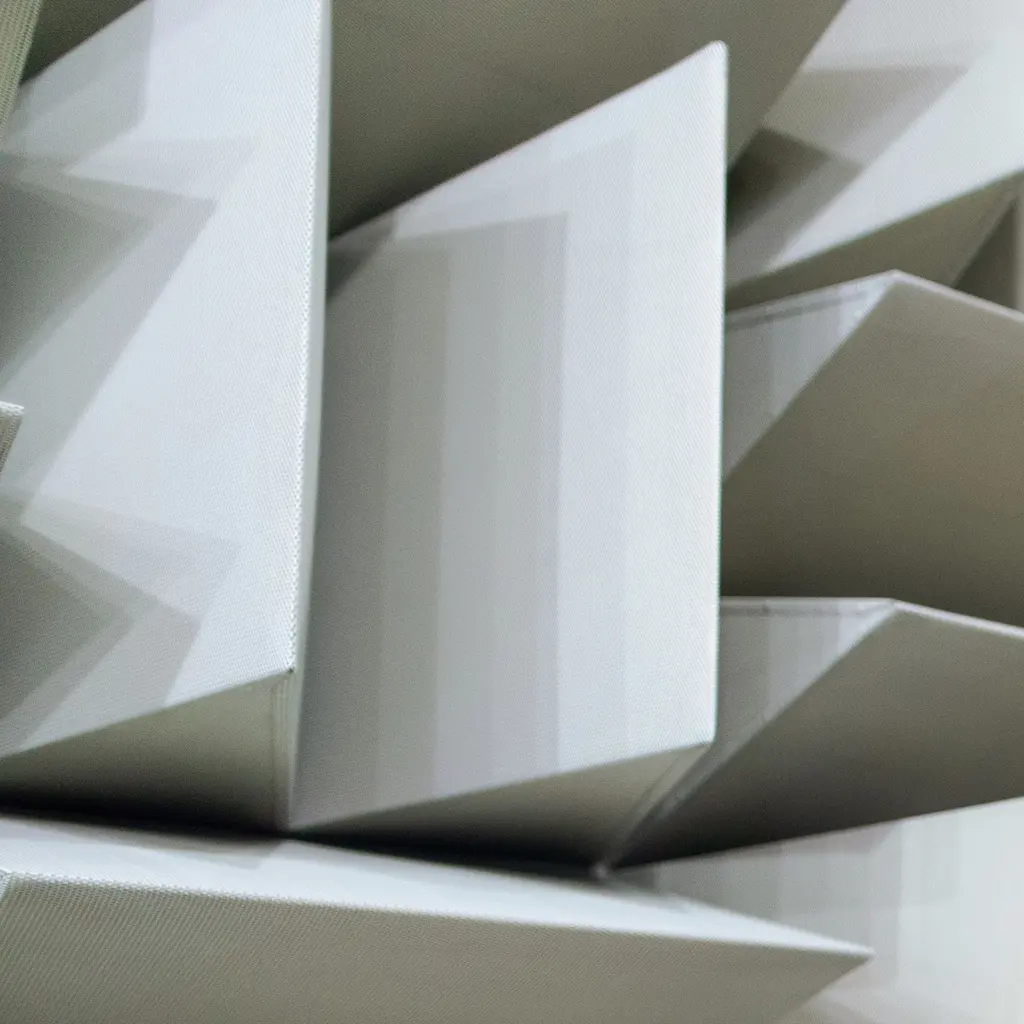
You install acoustic ceilings and wall panels in finished studios or offices. Using lifts in tight spaces creates risks, such as accidental floor damage or dropped panels hitting equipment below.
The Southern Agency can review your installation techniques, mobile equipment, and site work to help you select appropriate insurance. We can discuss how liability coverage applies to customer-property claims and how to protect your owned or rented lifts while working in finished interiors.
Working in completed spaces risks scuffing walls, floors, glazing, or audiovisual equipment while installing ceilings and panels.
Overhead ceiling and wall work on scissor lifts and ladders exposes crews to fall and dropped-material injuries.
Cutting acoustic board and applying adhesives or sealants can spread dust or overspray onto nearby surfaces and contents.
A finished system that misses a specified sound-rating or noise-reduction target can lead to rework and contract claims.
Lifts, lasers, fastening tools, and acoustic panels transported between jobs face theft and damage exposure.
Work in occupied offices, schools, or theaters creates the chance an occupant is struck or trips near the work zone.
Sequencing behind drywall, electrical, and HVAC crews can lead to disputes over damaged or delayed work.
Policies to ask about. Which ones fit depends on your operations, your contracts, and the carrier’s forms.
Ready to compare options?
Get a quote for Acoustical and Soundproofing Contractor Or call 1-800-777-1TSAThese hypothetical examples are not agency claim results. Whether a loss is covered depends on the facts, policy terms, and applicable exclusions.
Hypothetical: A scissor lift scrapes a polished stone floor while the crew positions it for ceiling work. General liability may address the owner's damage claim. The insurer would examine what property the crew was working on or controlling and any applicable property-damage exclusions.
Hypothetical: A wall panel comes loose during installation and damages a desk and computer. General liability may address damage to that other property, subject to exclusions and limits. Replacing the improperly installed panel is a separate workmanship cost; a near miss alone does not establish a bodily-injury loss.
Hypothetical: A recording room misses the sound-transmission rating promised in the contract, and the owner demands reconstruction. Do not assume completed-operations coverage pays to meet the specification. Review any separate physical damage and whether design or specification advice falls within professional liability coverage; a contractual performance promise can remain uninsured.
Start with the work you do and the questions your current policies leave unanswered. Carrier options depend on your location, risk, and underwriting. Explore our approach.
Start with liability for installation accidents, employee injury coverage, equipment and installation materials, and business vehicles. Add questions about professional liability if you select assemblies or advise on sound performance. Eligibility and terms depend on the actual scope.
General liability may address accidental damage to other property, such as furnishings below ceiling work. Damage to the part you are working on and property in your care can be excluded. Describe the work area and responsibilities when reviewing the policy.
They need to be included in the appropriate equipment or installation coverage. Check owned versus rented lifts, material values, transit, and storage at customer sites. A shop property limit alone does not confirm off-site protection.
A demand to rebuild solely because a room misses its promised rating is a performance dispute. Completed-operations coverage does not establish that rework is insured. Any resulting physical damage and any design negligence require review under the relevant policy and state law.
Send the contract, insurance schedule, and requested endorsements before work begins. Check ongoing and completed-operations additional-insured wording separately. A certificate cannot expand policy terms.
Use the same payroll, revenue, project mix, lift use, subcontractor costs, and equipment values for each submission. Include claims history and the value of the interiors you work in. Compare exclusions and deductibles as well as price; these inputs do not establish a quoted rate.
Bring your questions, current policies, and relevant contracts. An agent can review coverage terms, exclusions, and the information carriers ask for, then explain the options available to you.