

Falls from height
Fastening panels high on walls and roofs from lifts or scaffolds exposes installers to serious fall injuries.
Try a different word, or check the spelling.
A panel can be undamaged when delivered yet dented during a lift or affected by wind before fastening is complete. Your coverage needs to address those handling stages and later resulting-damage claims separately.
The Southern Agency can help you protect your materials, equipment, and field operations.
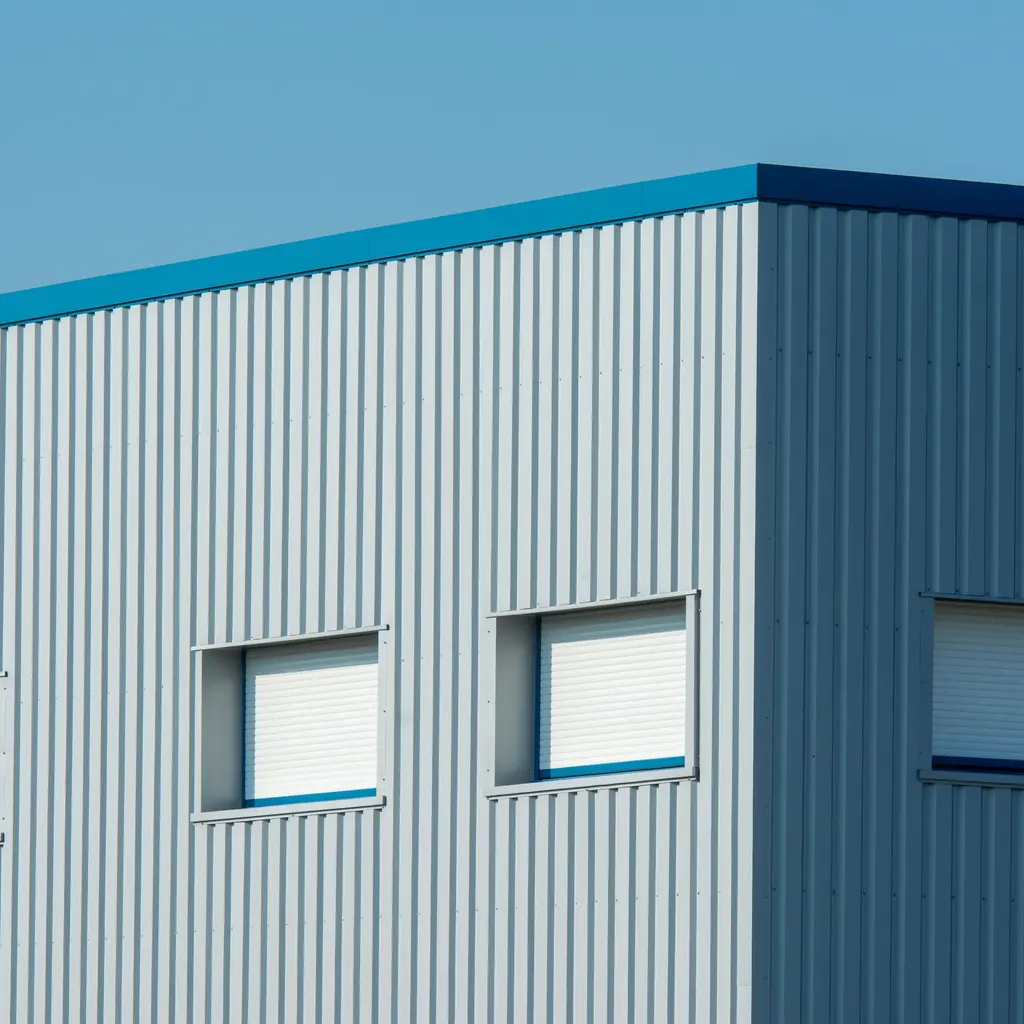
You install large metal wall and roof panels for commercial builds, which involves heavy lifting, fastening, and sealing work at height. Inclement weather or installation mistakes can cause damage to the panels or the building below.
The Southern Agency can review your lifting, setting and sealing responsibilities to help choose insurance. We can compare liability for resulting harm with protection for panels and rigging under the appropriate ownership and handling stages, keeping resealing or replacing defective work separate from later building or contents damage.
Fastening panels high on walls and roofs from lifts or scaffolds exposes installers to serious fall injuries.
Lifting large panels with cranes creates dropped-load and contact hazards, particularly when wind catches an oversized panel.
Leaks and condensation can damage a building or its contents after installation. Panel seals, products, and building conditions may all need investigation; condensation is not the same as rain entering through a leak.
Prefabricated panels dent and scratch easily during handling and storage, leading to replacement costs and delays.
Partially installed panels and staged materials are vulnerable to wind, which can dislodge panels and injure workers or bystanders.
A missed panel-installation deadline can delay other trades and trigger contractual claims. A contract's insurance requirements and completion promises are separate obligations.
Policies to ask about. Which ones fit depends on your operations, your contracts, and the carrier’s forms.
These hypothetical examples are not agency claim results. Whether a loss is covered depends on the facts, policy terms, and applicable exclusions.
Hypothetical: an installer falls while fastening a wall panel from a lift. Workers' compensation may provide qualifying medical and wage benefits under applicable law. Identify the employer and elevated duties; a different trade's worker, the lift and damaged panels require separate liability or property review.
Hypothetical: wind catches a lifted panel and it damages finished work below. GL may address covered surrounding-property damage under work-property and custody terms. The panel or rigging needs separate property/load review; preserve lift, installation and weather records.
Hypothetical: cold-storage contents suffer moisture damage attributed to panel seals. Products/completed-operations terms may address covered resulting contents damage if the work is responsible. Investigate cause: condensation is not necessarily outside rain. Resealing joints, fungi cleanup and lost production need separate review.
Start with the work you do and the questions your current policies leave unanswered. Carrier options depend on your location, risk, and underwriting. Explore our approach.
Installers fasten large panels high on walls and roofs, often from lifts or scaffolds, so a fall can cause a serious injury. Workers' compensation may provide medical and wage benefits for a covered employee injury. Fall-protection practices also matter when insurers assess the work.
Inland marine or installation coverage may help replace insured panels after covered damage or theft during transit or staging. The policy needs to identify the relevant owner, values, and stages through setting the panels. Dents, scratches, breakage, or processing losses can have restrictions.
General liability products or completed-operations coverage may help with covered resulting building or contents damage caused by faulty seals. The cause, water or fungi exclusions and relevant work and damage dates matter. Correcting the defective joint is separate from repairing resulting damage; condensation needs investigation rather than being assumed to be outside water entering.
Yes. A panel caught by wind can damage work below or injure someone. General liability may help with covered claims for surrounding damage or injury, while the panel being lifted and the rigging equipment need their own property or load review. The lifting contract helps identify ownership and responsibility.
A GC's contract may request particular limits, additional-insured endorsements, or a bond. Compare that request with the policies and ongoing or completed-operations endorsements before the job. A certificate alone does not grant those rights, and any bond request needs its own form, duty, and surety review.
Requirements depend on the state and employment arrangements. Workers' compensation may provide medical and wage benefits for covered installers injured while lifting or fastening panels. Identify employees, owners, and subcontracted crews rather than assuming one arrangement covers everyone.
Bring your questions, current policies, and relevant contracts. An agent can review coverage terms, exclusions, and the information carriers ask for, then explain the options available to you.