

Power tool injuries
Miter saws, table saws, nailers, and routers used for precise cuts expose carpenters to lacerations, amputations, and puncture wounds.
Try a different word, or check the spelling.
You measure for a particular opening, and a remake may not be usable on the next job. Liability for surrounding finishes and protection for the saws do not make every mismeasured piece an insured loss.
The Southern Agency can help you review shop fabrication, field installation and the tools or millwork moving between them.
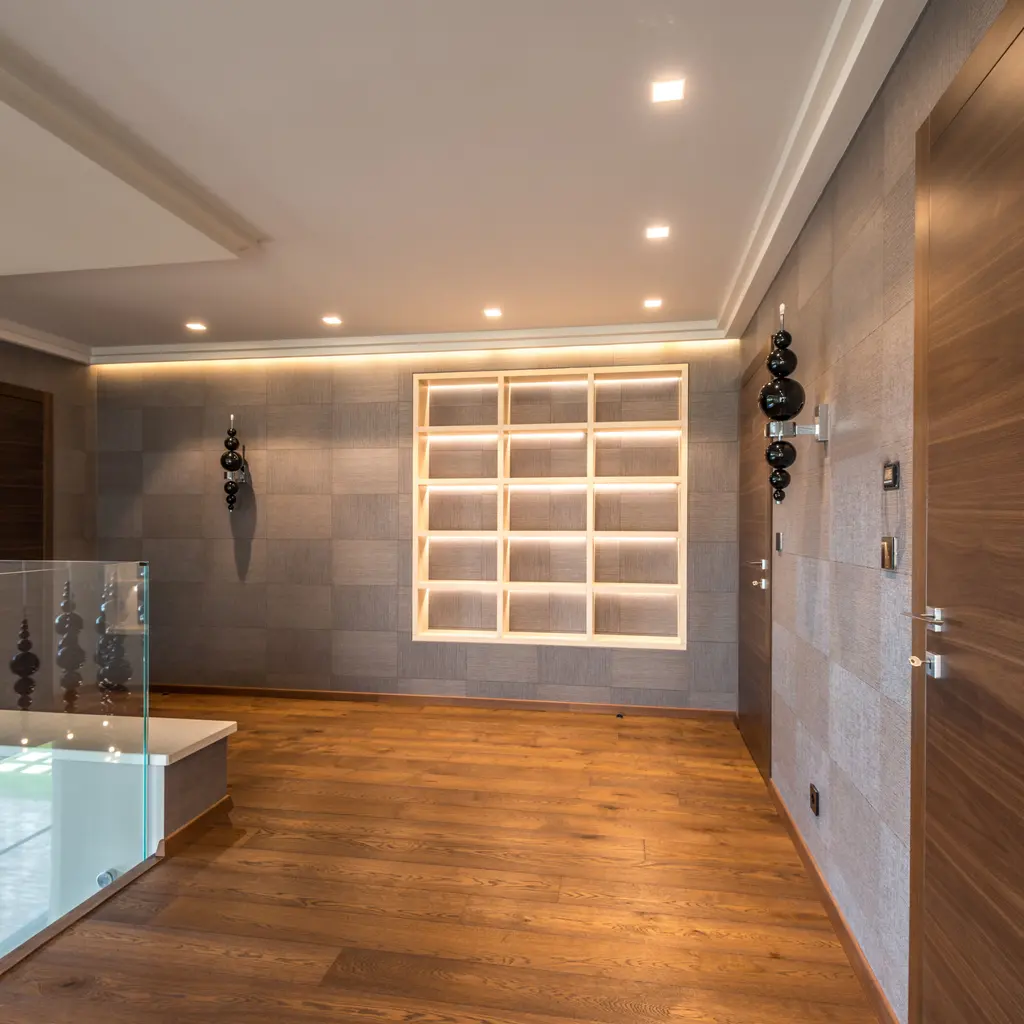
You install custom molding, cabinetry, and millwork, working near new flooring and finished surfaces with saws and nailers. A slip with a tool can damage high-end finishes, and the physical nature of carpentry presents hands-on injury risks to your crew.
The Southern Agency can review your project needs and equipment to help you choose insurance for your business. For instance, we can discuss how inland marine might help replace your tools if they are stolen from your job trailer.
Miter saws, table saws, nailers, and routers used for precise cuts expose carpenters to lacerations, amputations, and puncture wounds.
Working among completed flooring, cabinetry, and paint means a dropped tool or errant cut can damage another trade's finished work.
Mismeasured or poorly fit custom moldings and built-ins may need to be remade and reinstalled, generating expensive callbacks.
High-value saws, nailers, and hand tools face theft from sites and vehicles, as well as damage in transit.
Firms that mill and assemble pieces in a shop face dust, machinery, and fire exposure to stock and finished goods.
Lifting long, heavy stock and built-in components into tight spaces creates back and lifting injuries for crews.
Policies to ask about. Which ones fit depends on your operations, your contracts, and the carrier’s forms.
These hypothetical examples are not agency claim results. Whether a loss is covered depends on the facts, policy terms, and applicable exclusions.
Hypothetical: a dropped saw gouges a new floor. GL may address covered surrounding-floor damage. Identify the repair needed and review restrictions for property being worked on or controlled by the crew; repairing the floor differs from remaking incorrectly cut trim.
Hypothetical: a carpenter suffers a nailer injury while installing casing. Workers' compensation may provide qualifying medical and wage benefits under applicable law. Identify actual employer and duties; an injured subcontracted worker, damaged casing and the nailer require separate review.
Hypothetical: saws and nailers are stolen from a locked trailer overnight. Inland marine may address covered theft under listed values, valuation, deductible and location/security conditions. Stock and customer millwork need separate review; insuring the trailer does not automatically insure its load.
Start with the work you do and the questions your current policies leave unanswered. Carrier options depend on your location, risk, and underwriting. Explore our approach.
Trim carpenters commonly carry general liability, workers' compensation, inland marine for tools, and business auto, subject to underwriting.
General liability may address covered damage to surrounding flooring or cabinetry. Review which surface was being worked on or controlled by the crew and the actual exclusions. Another trade's installation does not automatically make the damage covered; correcting your own trim or measurement error is a separate issue.
Inland marine is commonly used to cover tools at jobsites and in transit, subject to policy limits.
Shop milling adds machinery, dust, fire and stock exposures. An eligible business may combine liability and specified shop property in a BOP, but disclose the fabrication process and customer-owned pieces. Review processing restrictions, off-site tools and transit separately rather than assuming a shop package covers them all.
A builder may request limits above the primary policy. Compare the actual request with accepted shop and field operations, the underlying schedule, attachment and exclusions. An umbrella does not fund every callback or establish that all requested endorsements or contract terms are met.
Bring your questions, current policies, and relevant contracts. An agent can review coverage terms, exclusions, and the information carriers ask for, then explain the options available to you.