

Cuts from sharp lath
Handling and cutting expanded metal and wire lath exposes crews to frequent lacerations and puncture injuries on the job.
Try a different word, or check the spelling.
Another trade's plaster or stucco will depend on the base you fasten. Liability for resulting damage is not the same as funding the tear-out needed to correct that base.
The Southern Agency can review your lathing tasks and contract requirements to help you select appropriate insurance.
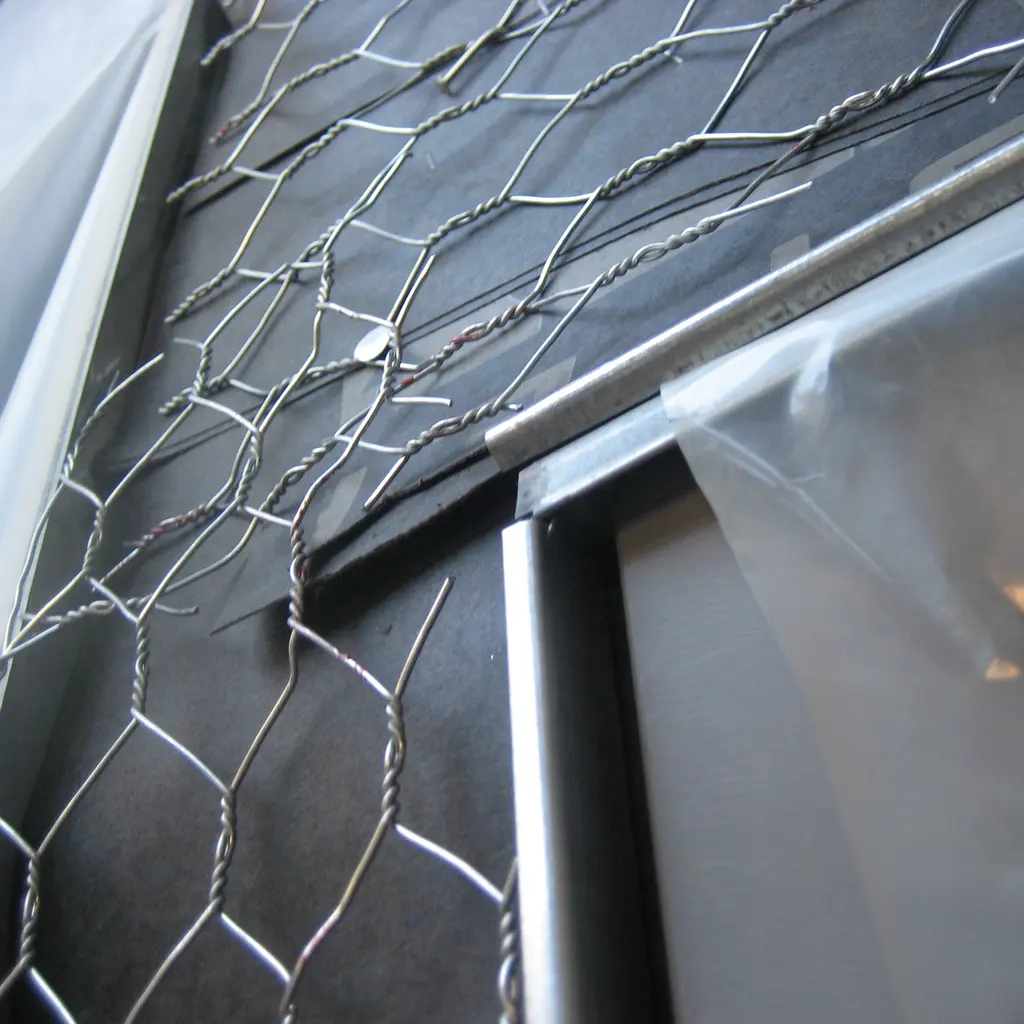
You install metal lath and wire mesh for plaster or stucco finishes, which involves working with sharp materials at height on scaffolds. Poor attachment or mistakes in the lathing base can cause expensive tear-outs once the topcoat is applied.
The Southern Agency can review your interior or exterior systems, fastening duties and project requirements to help you choose insurance. We can compare employee fall and cut benefits with liability for resulting damage, keeping lath or topcoat tear-out separate from tools, rentals and accepted finish-system terms.
Handling and cutting expanded metal and wire lath exposes crews to frequent lacerations and puncture injuries on the job.
Installing lath on ceilings, upper walls, and exterior elevations creates fall exposure from elevated work platforms.
Improperly fastened or spaced lath can cause the plaster or stucco applied over it to crack, sag, or detach.
Sharp materials and fasteners can scratch finished surfaces, windows, or adjacent trades' work on an active site.
Snips, fastening tools, and powered equipment moved between jobs and vehicles are exposed to theft and transit damage.
Commercial general contractors often require specific liability limits and certificates before lathing crews can begin work.
Policies to ask about. Which ones fit depends on your operations, your contracts, and the carrier’s forms.
These hypothetical examples are not agency claim results. Whether a loss is covered depends on the facts, policy terms, and applicable exclusions.
A crew member suffers a deep cut handling expanded metal lath. Workers' compensation may help with medical care and lost wages, depending on the specific policy and applicable rules.
Stucco over poorly fastened lath cracks and removal is demanded. Preserve specifications, attachment/pre-cover inspection, and following-trade records. Identify lath/topcoat correction and any separate resulting harm under actual work-property and completed-work terms; removal alone does not establish coverage.
Fastening tools and snips are taken from a parked van. An inland marine policy may respond to the tool loss, depending on policy terms and exclusions.
Start with the work you do and the questions your current policies leave unanswered. Carrier options depend on your location, risk, and underwriting. Explore our approach.
Lathers commonly carry general liability, workers' compensation, inland marine for tools, and business auto. The right mix depends on exterior and height work, subject to underwriting.
Identify actual lath/topcoat duties and damage. Removing defective lath and finish alone differs from resulting injury or damage to other property. Review actual work-property, exterior-system, and completed-operations terms; finish failure does not establish automatic payment.
Workers' compensation commonly responds to lacerations and puncture injuries crews suffer handling metal lath, subject to the policy and applicable rules.
Compare the actual contract limit and accepted operations with the underlying schedule and excess attachment/exclusions. Extra limit does not itself add excluded exterior work or all additional-insured rights.
Inland marine is commonly used to cover snips, fasteners, and powered tools at jobsites and in transit. Limits and terms depend on the policy you select.
Bring your questions, current policies, and relevant contracts. An agent can review coverage terms, exclusions, and the information carriers ask for, then explain the options available to you.