

Falls from scaffolding and height
Work from scaffolds, ladders, and elevated platforms creates serious fall exposure. Describe actual heights and who owns, erects, inspects, and uses the access equipment.
Try a different word, or check the spelling.
The scaffold under your crew may be owned, erected or shared by different parties. Coverage needs to reflect the access arrangements as well as your masonry and the equipment moving between sites.
The Southern Agency can help you manage the liability and equipment risks associated with masonry work.
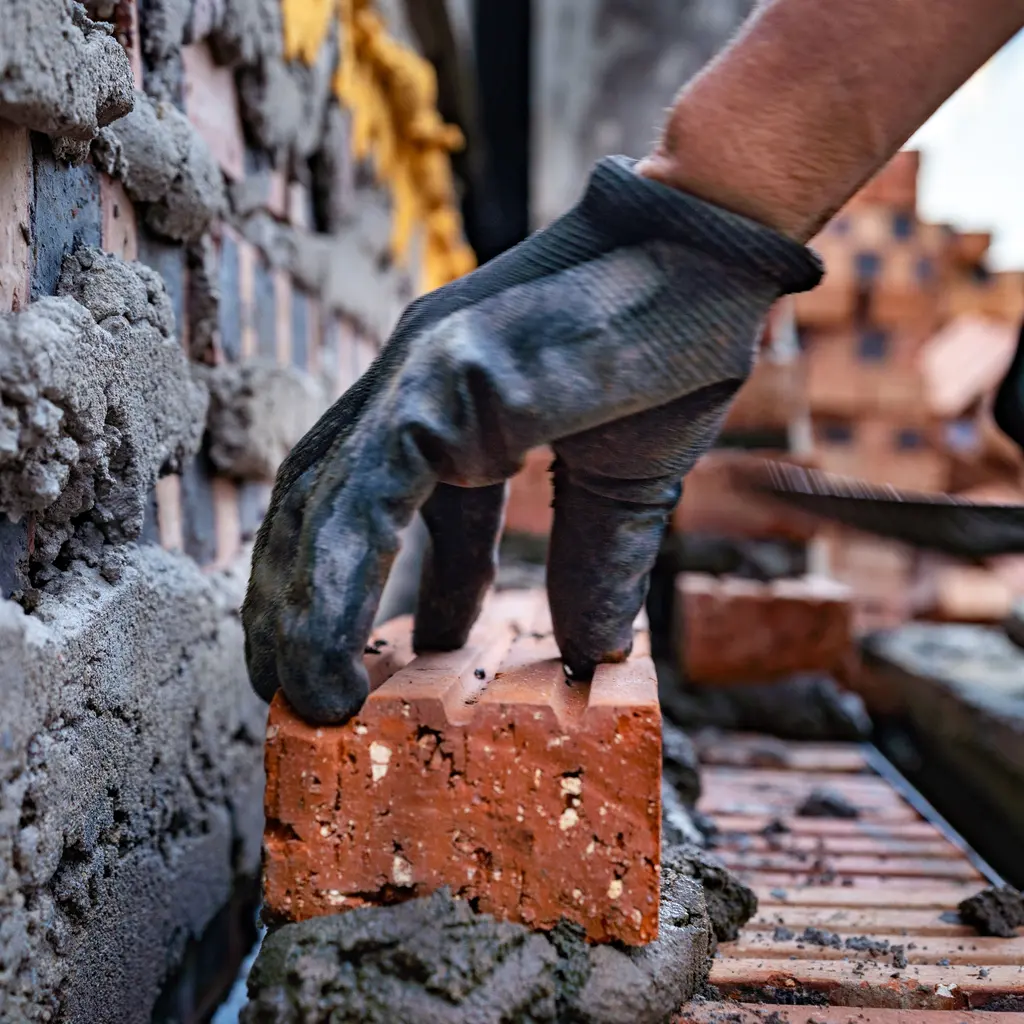
You build and repair brick, stone, and block structures while working from scaffolding at height. A dropped tool or brick can injure a bystander, and a wall that fails after completion can cause significant property damage.
The Southern Agency can help you review your masonry projects and equipment to choose appropriate insurance. We can discuss, for example, how to combine shop property coverage for your saws with liability coverage for field-based masonry work.
Work from scaffolds, ladders, and elevated platforms creates serious fall exposure. Describe actual heights and who owns, erects, inspects, and uses the access equipment.
Materials and tools handled overhead can fall and strike workers or people below the work area.
Cutting brick, block, and stone produces respirable silica, creating worker-health exposure that insurers scrutinize.
An improperly built or cured wall can crack, bow, or collapse, leading to property damage and potential injury.
Repeated handling of heavy units and mortar exposes crews to back, shoulder, and strain injuries.
Scaffolding, mixers, saws, and pallets of masonry materials can be damaged or stolen from job sites and trailers.
Policies to ask about. Which ones fit depends on your operations, your contracts, and the carrier’s forms.
These hypothetical examples are not agency claim results. Whether a loss is covered depends on the facts, policy terms, and applicable exclusions.
Hypothetical: a brick falls from scaffolding and injures a pedestrian. GL may address covered third-party injury under accepted masonry and height duties. Preserve scaffold, public-access and incident records; an employee injured by the same falling unit requires separate worker-benefit review.
Hypothetical: a finished retaining wall cracks and damages adjacent landscaping. Completed-operations terms may address covered resulting damage. Preserve design, support, drainage, soil and work/damage dates and check earth-movement and work exclusions. Replacing the wall is separate; later failure alone does not establish coverage.
Hypothetical: a mason falls from scaffolding. Workers' compensation may provide qualifying medical and wage benefits under applicable law. Identify actual employer, work state and scaffold duties; scaffold ownership or another trade's erection role does not alone settle benefits or liability.
Start with the work you do and the questions your current policies leave unanswered. Carrier options depend on your location, risk, and underwriting. Explore our approach.
Scaffold work adds fall and falling-material exposure. Describe heights, owned or rented access equipment, erection and inspection duties and public protection. Controls matter to risk assessment, but a checklist does not establish an accepted height or fixed premium reduction.
Assess brick, block and stone cutting and controls in the shop and on site. Material and task matter; provide exposure-control records rather than assume every stone contains the same silica or that insurance proves safety compliance.
Completed-operations terms may address covered resulting injury or other-property damage. Replacing the defective wall or meeting a warranty is a separate question. Review accepted wall and design duties, work and damage dates and applicable work or earth-movement exclusions; completion alone does not establish payment.
Inland marine may help with covered theft or damage to insured equipment. List owned and rented scaffolds, mixers, and saws, values, custody, and erection or use locations. Review transit, site security and rental responsibilities separately from materials and internal mechanical failure.
It may add limits above covered underlying liabilities. Compare heights, public and adjacent-property exposure and contract requests with accepted operations, underlying schedules, attachment and exclusions. Employee injuries, third-party collapse and falling-object claims do not all use the same coverage.
Requirements depend on actual employers, employees, subcontracted labor, and work states under applicable law. Provide payroll, duties and fall or cutting exposure. Coverage may provide qualifying employee benefits, but crew size or a subcontractor certificate alone does not establish an exemption or insured rights.
Bring your questions, current policies, and relevant contracts. An agent can review coverage terms, exclusions, and the information carriers ask for, then explain the options available to you.