

Falls from lifts and scaffolds
Working overhead from scissor lifts, scaffolds, and ladders exposes ceiling installers to serious fall injuries.
Try a different word, or check the spelling.
Your grid goes up around lighting, ductwork, and sprinkler lines that are already there. Coverage needs to account for damage to those systems and what is below, not just the ceiling materials.
The Southern Agency can help you manage your overhead installation risks by reviewing your onsite operations and equipment needs.
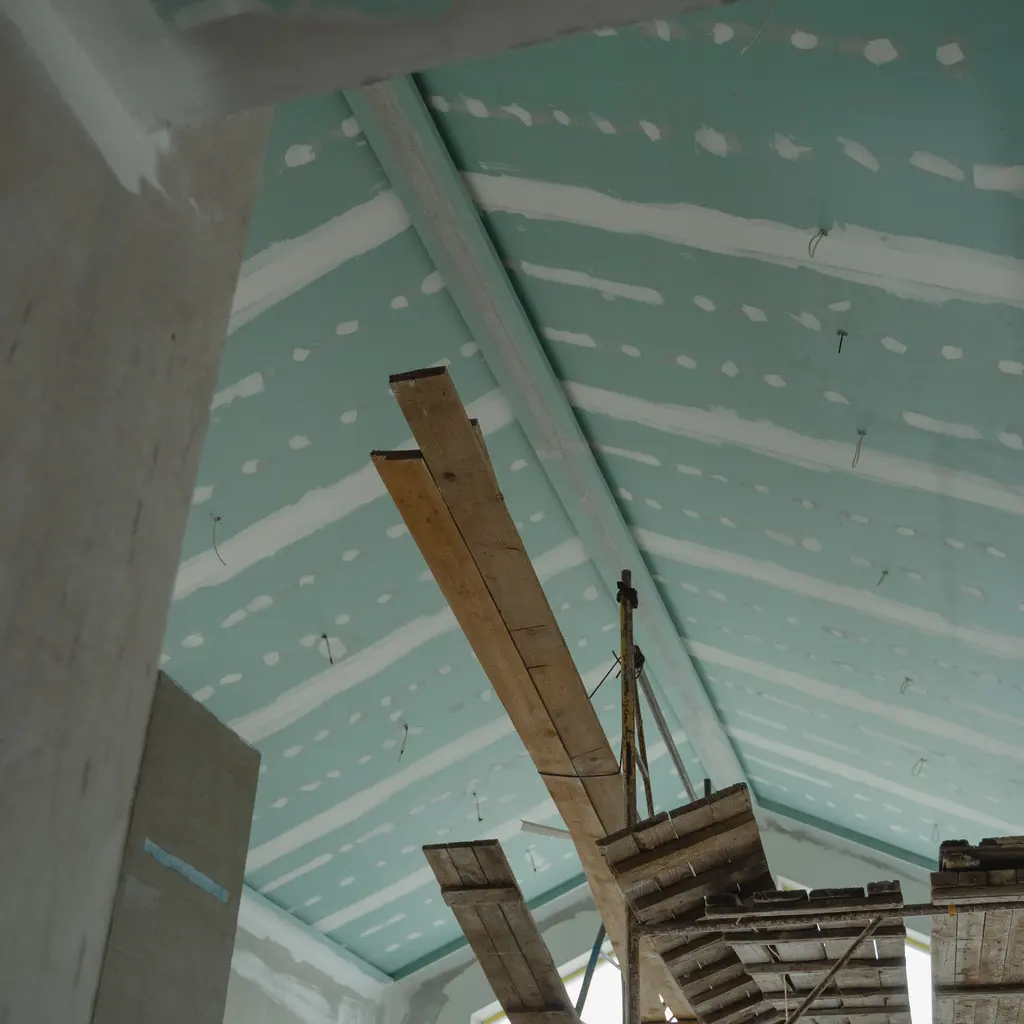
You hang suspended ceilings in commercial buildings, which involves overhead work and the use of ladders or lifts. A falling tile or an accidental flood from a pierced sprinkler pipe can cause significant damage to the property below your work area.
The Southern Agency can review your overhead installation practices and equipment to help you select appropriate insurance. For example, we can help you distinguish between coverage for third-party property damage and the specific requirements for insuring your rented aerial lifts.
Working overhead from scissor lifts, scaffolds, and ladders exposes ceiling installers to serious fall injuries.
Tools, tile, and grid components dropped from height can injure people or damage finishes and equipment below.
Working near existing lighting, ductwork, and sprinkler lines risks damaging those systems during installation.
A poorly anchored grid or tile that later sags or falls can lead to completed-work liability claims.
Constant reaching overhead exposes crews to neck, shoulder, and back strain, plus cuts from metal grid and track.
Lifts, lasers, snips, and fastening tools move between job sites and are exposed to theft and damage.
Policies to ask about. Which ones fit depends on your operations, your contracts, and the carrier’s forms.
These hypothetical examples are not agency claim results. Whether a loss is covered depends on the facts, policy terms, and applicable exclusions.
Hypothetical: a grid section falls and damages office furniture and electronics below. GL may address covered third-party damage, but replacing the deficient grid or fixing its supports is a separate cost. Identify whose property was damaged and whether work was ongoing or completed.
Hypothetical: A worker falls from a scissor lift while hanging tile and is injured. Workers' compensation may provide benefits for a covered employee injury under applicable law. Identify the employer and work state. Damage to the lift and obligations under its rental agreement need separate review.
Hypothetical: A crew nicks a sprinkler line, causing water damage to a finished office. General liability may address covered damage to other property, subject to water and work-property restrictions. Review the damaged line separately from the tenant's finishes or contents and from replacing the contractor's ceiling work; one incident does not establish payment for every interest.
Start with the work you do and the questions your current policies leave unanswered. Carrier options depend on your location, risk, and underwriting. Explore our approach.
Falling tools, materials or completed components can injure people or damage property below. Their significance depends on the height, occupancy and system involved, not a universal ranking. General liability may address covered resulting harm; fixing a sagging grid without such harm is a separate cost.
Workers' compensation may provide qualifying employee benefits for lift falls. Identify each crew's employer, duties and work state, including subcontracted labor. Injuries to another firm's workers and damage to an owned or rented lift are separate liability and property questions.
Inland marine may respond to covered theft or damage if the equipment, value, and site or transit stage are included. Check rented lifts, security conditions, and the rental agreement separately. Tools coverage does not by itself establish protection for grid and tile or every rental charge.
General liability may address covered resulting property damage. Identify the system being worked on or near, any damage to it and damage to other building areas or tenant property. Review work-property and water restrictions rather than assume all repair and ceiling-replacement costs follow together.
A GC may request liability, workers' compensation, excess limits, and particular endorsements. Bring the actual insurance schedule before agreeing to it. Compare ongoing and completed-operations additional-insured rights with policy endorsements; a certificate does not supply missing rights or confirm every contract term is met.
Underwriters weigh the height of work, payroll, equipment values, project mix, and safety record. Coverage availability depends on underwriting and loss history.
Bring your questions, current policies, and relevant contracts. An agent can review coverage terms, exclusions, and the information carriers ask for, then explain the options available to you.