

Glass and door breakage on site
Oversized panes and heavy door units are easily cracked or shattered while being carried, set, or adjusted inside finished spaces.
Try a different word, or check the spelling.
Your replacement opening has to fit the unit and its use for security or exit. Liability for resulting harm is different from correcting a misaligned frame, defective lock or opening that needs alteration.
The Southern Agency can help you protect your materials and handle potential installation liability claims.
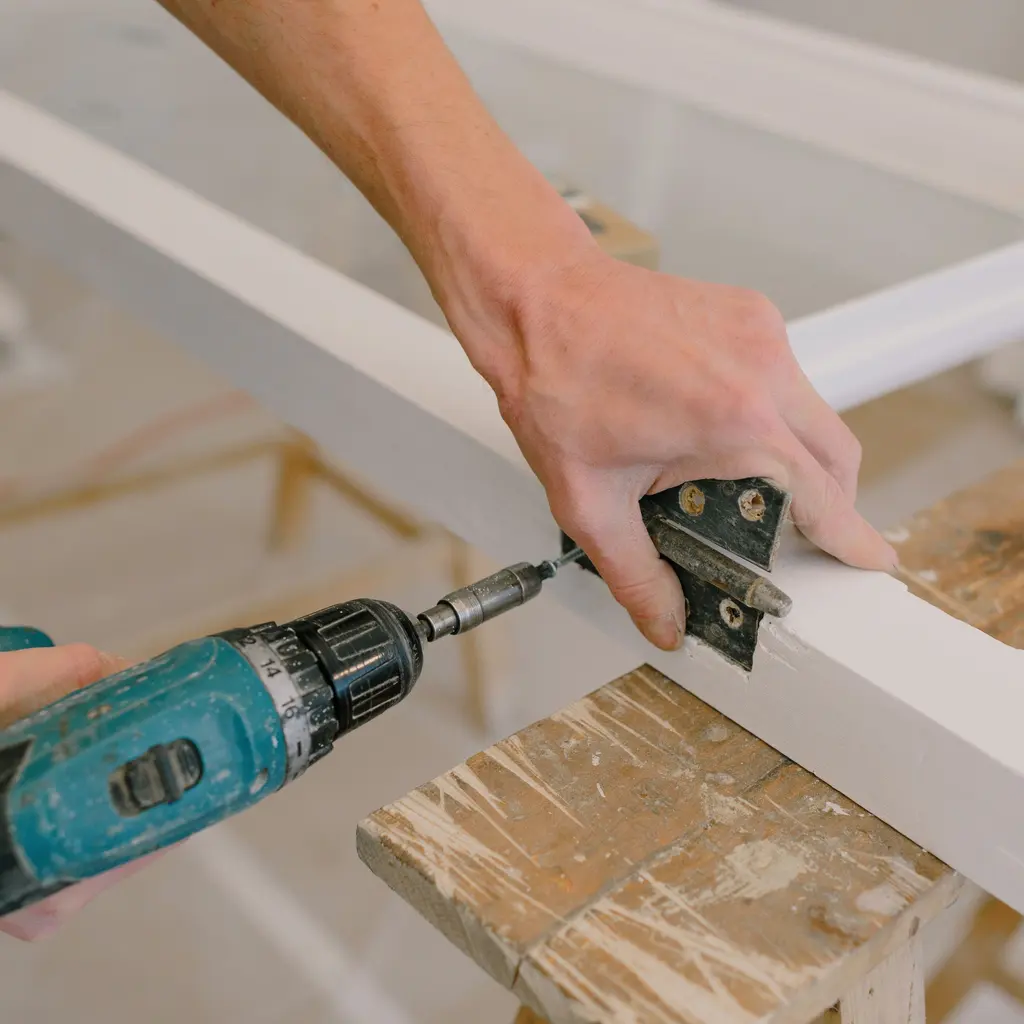
You carry and set fragile units, fit frames and hardware and seal openings in finished buildings. A cracked patio door is a different loss from damage to the floor beside it. Leaks, lock alignment or an altered exit can also bring disputes after the unit is handed over.
The Southern Agency can review your installation operations and inventory handling to help you choose insurance, such as liability for installed-work defects or inland marine for your hardware. We can clarify, for instance, how excess liability does not automatically extend to mold or water damage claims.
Oversized panes and heavy door units are easily cracked or shattered while being carried, set, or adjusted inside finished spaces.
Removing and fitting units near finished floors, walls, and trim can cause scratches, dents, and breakage in occupied homes and offices.
Improper flashing or caulking around a new window or door can let water in, causing rot, mold, and damage that emerges later.
Enlarging openings or replacing frames can strike concealed wiring, plumbing, or structural members behind the wall.
A misaligned door, defective lock, or non-compliant egress opening can lead to security failures and liability claims.
Windows and doors can be cracked, chipped, or stolen while transported from supplier to job site in company vehicles.
Lifting heavy units and handling glass exposes crews to back strain, cuts, and falls from ladders during exterior work.
Policies to ask about. Which ones fit depends on your operations, your contracts, and the carrier’s forms.
Ready to compare options?
Get a quote for Window and Door Installation Contractor Or call 1-800-777-1TSAThese hypothetical examples are not agency claim results. Whether a loss is covered depends on the facts, policy terms, and applicable exclusions.
Hypothetical: A large sliding door unit slips and shatters against a finished tile floor. Installation or inland marine coverage may help with the door if it includes the owner's interest, setting stage and breakage cause. The facts do not establish damage to the floor. Identify any actual surrounding-property damage or injury separately before considering liability coverage.
Hypothetical: Faulty flashing lets water behind a replacement window and damages drywall months later. General liability may address covered resulting drywall damage, subject to water, mold, completed-operations and work-property terms. Correcting the window or flashing is a separate cost. Preserve the installation, damage and claim dates; later discovery alone does not establish the responding policy.
Hypothetical: entry doors and hardware are stolen from overnight staging. Installation or stock terms may address covered theft under actual owned/customer interests, values, location and security. A tools schedule or delivery vehicle policy does not automatically include the units, replacement delivery or lost installation time.
Start with the work you do and the questions your current policies leave unanswered. Carrier options depend on your location, risk, and underwriting. Explore our approach.
Installers commonly carry general liability, inland marine for tools and units, workers' compensation, and business auto. The right mix depends on residential versus commercial work, subject to underwriting.
Check whether the installation or stock policy includes the unit, its ownership, and the insured cause during setting or adjustment. Identify any actual damage to surrounding property or injury separately under liability terms. The fact that a window or door breaks does not by itself establish a GL loss.
Separate damage to drywall or other property from repairing the door, window or seal. Preserve installation, testing, handoff, damage and claim dates and review water, mold, completed-operations terms and restrictions for damage to your work. Later discovery is not by itself the coverage trigger.
Compare declared doors, glass and hardware, insured interests, causes, values and the supplier-to-handoff stages under the proposed installation or stock cover. Do not assume a tools policy or the hauling vehicle’s physical-damage policy insures the entire load or every breakage and theft.
Workers' compensation is commonly required for employees and helps with lacerations, lifting injuries, and ladder falls. Requirements vary by state and operations.
A customer or contractor may request limits, certificates, and endorsements before work. Provide the contract and the window, door, opening-modification, and hardware scope for review before agreeing to them. A certificate cannot broaden coverage, and this guide does not promise the requested terms can be provided.
Bring your questions, current policies, and relevant contracts. An agent can review coverage terms, exclusions, and the information carriers ask for, then explain the options available to you.