

Wildfire ignition along rights-of-way
Line contact with vegetation, conductor failure, or equipment faults can spark fires across transmission corridors, creating third-party and property liability.
Try a different word, or check the spelling.
Replacing one of your transformers may involve a long wait while network responsibilities continue. Equipment repairs, operating income, and claims from electricity users are different insurance interests, not one automatic outage benefit.
The Southern Agency can help you align your network coverage with your transmission assets and operational territories.
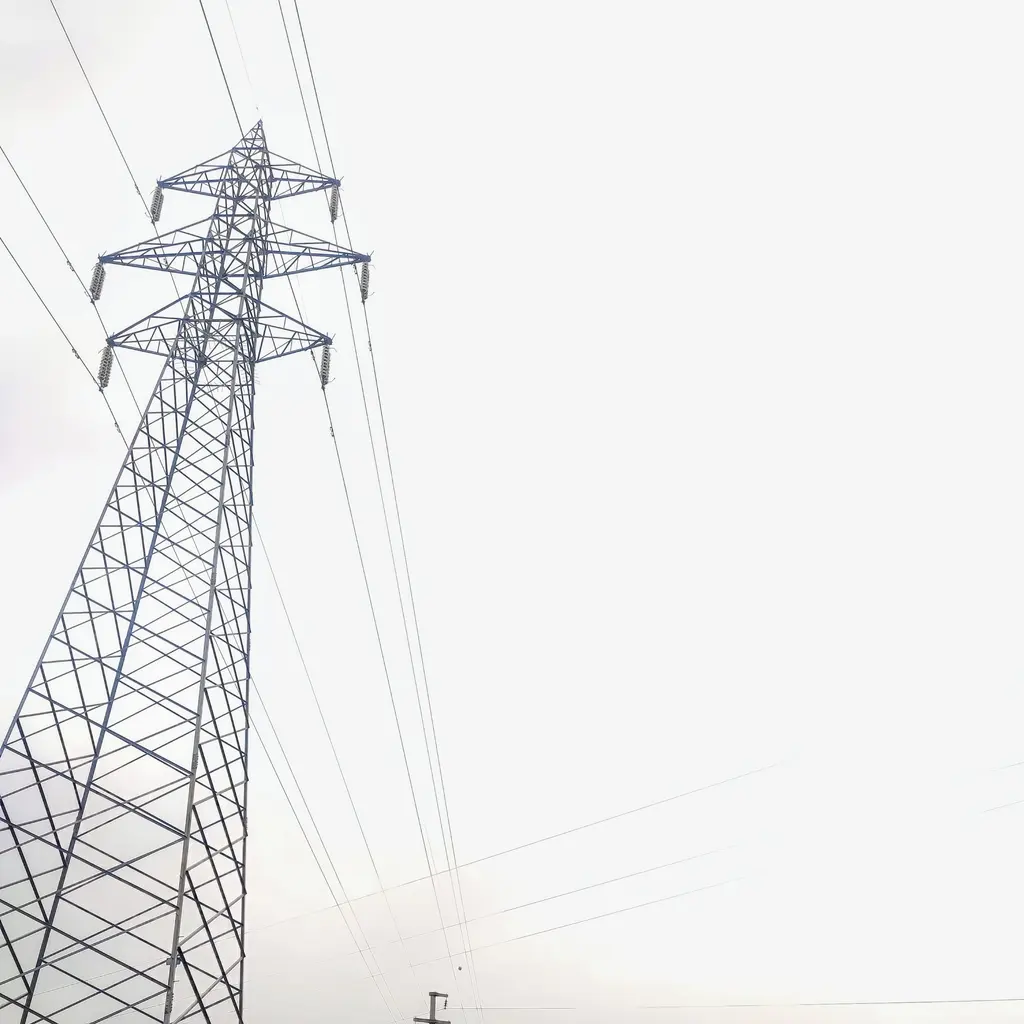
Your transmission network moves high-voltage power over long distances, using transformers and lines that are exposed to fire, lightning and vandalism. An outage or equipment failure can disrupt service and create third-party claims.
The Southern Agency can review your entire network, including substations and rights-of-way, to help you select insurance. For example, we discuss how breakdown coverage handles a catastrophic transformer failure while explaining that a power outage alone does not automatically trigger payment for all customer damages.
Line contact with vegetation, conductor failure, or equipment faults can spark fires across transmission corridors, creating third-party and property liability.
High-value, long-lead transformers and switchgear can fail from electrical faults, lightning, or insulation breakdown, causing costly replacement and outage exposure.
Line workers and substation technicians work near extreme voltages, where arc-flash incidents and contact injuries carry catastrophic potential.
Oil-filled transformers and capacitors can leak dielectric fluid, creating soil and water contamination and cleanup obligations.
An asset fault can disrupt interconnected service and prolong restoration. Assess any reliability investigation or penalty against the actual applicable duties and findings, not the presence of an outage alone. Operator earnings, third-party losses and enforcement costs are separate insurance questions.
Towers, conductors, and substations spread across wide territory are exposed to high winds, ice, and lightning strikes that can damage critical infrastructure.
Remote substations and towers are targets for copper theft, sabotage, and gunfire, threatening reliability and worker safety.
Policies to ask about. Which ones fit depends on your operations, your contracts, and the carrier’s forms.
These hypothetical examples are not agency claim results. Whether a loss is covered depends on the facts, policy terms, and applicable exclusions.
A station transformer fails from an internal fault and must be replaced over many weeks, creating replacement costs and interrupted service. Breakdown may pay covered repair or replacement if the declared equipment and actual fault meet its terms. Determine whether deterioration or an insured failure caused the loss. The operator's actual lost earnings and any expedited replacement expense require applicable cover; reliability charges and customers' losses are not automatic additions.
A conductor contacts overgrown vegetation and fire spreads onto adjacent property, leading to property-damage claims. Liability may pay covered defense costs and damages for that fire, subject to the insured's responsibility and wildfire terms, exclusions, and limits. Any damage to the operator's own line involves a different property interest. Neither a vegetation-management duty nor an insurance limit guarantees payment of every fire claim or regulatory penalty.
An oil-filled transformer leaks and contaminates surrounding soil, creating cleanup costs. Environmental liability may pay covered remediation and related third-party claims for the insured release. Identify the fluid, location, release timing, and reporting. The soil event does not establish contaminated water, an insured pre-existing condition or payment for every fine; transformer repair is a separate physical-loss question.
Start with the work you do and the questions your current policies leave unanswered. Carrier options depend on your location, risk, and underwriting. Explore our approach.
Property may pay insured physical damage to the declared network assets; breakdown may pay qualifying transformer or switchgear repair. Liability and environmental terms address different third-party and cleanup claims, and workers compensation addresses covered employees under applicable law. Define the actual ownership, territory, and operations first. A substation schedule or high excess limit does not prove every line span, outage cost, or claim is insured.
A conductor-related fire may lead to covered third-party injury or property-damage defense and damages, but the actual liability and wildfire terms control. Supply corridor, vegetation, terrain, weather, inspection, and mitigation information, then check exclusions, limits, aggregates, and insured parties across all layers. Own-line repair, pollution, contractual interruption claims, and penalties need their separate treatment. This page does not establish a current wildfire quote or available limit.
Dielectric-fluid releases can create soil or water cleanup and third-party claims. Environmental liability may pay covered remediation, defense, and damages for insured conditions. Identify the actual fluid, containment, drainage, locations, and release history. Reporting periods, prior conditions and exclusions matter; the transformer being insured for physical damage does not itself insure its release, every cleanup duty, compliance upgrade, or fine.
A covered internal electrical or mechanical failure may lead to insured transformer repair or replacement. A sudden failure is not enough to establish payment for wear, deterioration, or every insulation problem. Identify the asset, cause, valuation, and actual restoration needs, including spares, transport, and commissioning. Temporary equipment, expedited expense and lost earnings need their own applicable terms rather than being assumed part of every machinery claim.
Business income may pay the insured operator's actual covered earnings loss and continuing expenses under the applicable cause, interruption, and restoration terms. Distinguish damage to its insured assets from an offsite grid failure, curtailment, or protective shutdown, and bring the actual revenue arrangements. Other utilities' or customers' lost profits, service or tariff charges, replacement-power obligations, and reliability penalties are not automatic additions to that payment.
Additional liability layers may pay covered claims above specified underlying limits, subject to their actual attachment, insured-party, wildfire, pollution, and other terms. Compare credible fire and injury claims with both layers. More liability limit does not increase network property, transformer or earnings limits, remove an exclusion, or establish payment for a reliability fine. Availability and terms require an actual underwriting decision, not an assumption based on asset scale.
Bring your questions, current policies, and relevant contracts. An agent can review coverage terms, exclusions, and the information carriers ask for, then explain the options available to you.