

Downed lines and public contact
Storm-damaged or fallen distribution lines create electrocution, fire, and third-party injury risks for the public.
Try a different word, or check the spelling.
A meter links a physical connection to a customer account. Your network equipment and the billing data behind it need different protection, even when both are involved in keeping service running.
The Southern Agency can help compare your field-asset map, crew and fleet duties, billing systems and outage responsibilities with the proposed policies.
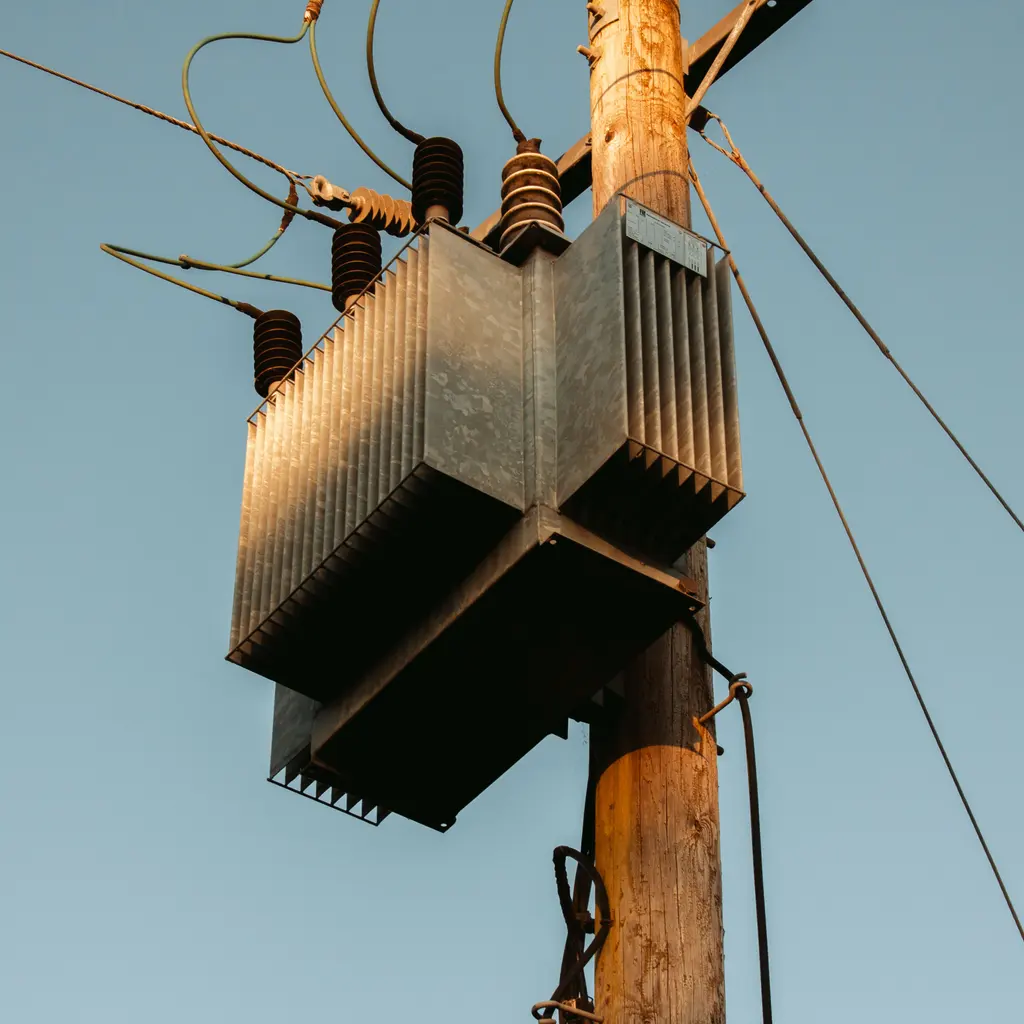
You deliver power through poles, lines, and transformers while managing grid connections, service requests, and customer billing. A storm-damaged line or a billing-system breach can disrupt service and create significant financial exposure.
The Southern Agency can help you review your field operations and system data to choose insurance for those duties. We can assist with evaluating liability for customer property damage during outages or cyber-response plans for metering data breaches.
Storm-damaged or fallen distribution lines create electrocution, fire, and third-party injury risks for the public.
Bucket trucks, digger derricks, and crew vehicles operating on public roads carry significant auto liability and physical damage exposure.
Metering and billing systems can hold customer payment and personal data, creating cyber and privacy exposure if those records are breached.
Customers may pursue claims for spoiled inventory, lost business, or property damage tied to outages and power-quality events.
Line crews working on energized distribution equipment face arc-flash and electrical contact hazards during installation and restoration.
Transformers, reclosers, and switches in the field can fail or be damaged, requiring rapid replacement, and creating fire risk.
Policies to ask about. Which ones fit depends on your operations, your contracts, and the carrier’s forms.
These hypothetical examples are not agency claim results. Whether a loss is covered depends on the facts, policy terms, and applicable exclusions.
A storm-felled distribution line injures a passerby before crews can de-energize it, creating a bodily-injury claim. GL may pay covered defense and damages, subject to the utility's responsibility, insured operations, and policy terms. Line-replacement costs need their own property terms and ownership analysis; the passerby's injury does not establish payment for all outage demands or penalties.
A crew truck is involved in a collision while responding to an outage. Repairing the truck and paying a third-party damages claim are different potential costs. Auto liability may pay covered third-party injury or property damages, while truck repairs require applicable physical-damage terms. Crew injury benefits and claims involving the boom's operation at a jobsite require separate analysis.
Attackers access the billing platform and expose customer payment data, creating investigation and potential notification and privacy-claim costs. Cyber may pay covered response, defense and damages, subject to insured systems, actual notice duties, and policy conditions. This billing-data event does not by itself establish damaged transformers, loss of operational control or an insured service outage.
Start with the work you do and the questions your current policies leave unanswered. Carrier options depend on your location, risk, and underwriting. Explore our approach.
GL may pay covered third-party injury or property claims, and auto addresses different covered vehicle claims. Property concerns insured facilities, stock, and network assets; breakdown concerns qualifying equipment failures. Cyber may pay covered data-response and privacy costs, workers compensation concerns eligible employee benefits, and excess may add liability limits. Actual territory, ownership, crews, vehicles, systems, and service duties determine the assessment. A warehouse schedule or high liability limit does not prove full-network or every-outage protection.
Bucket trucks, digger derricks and crew vehicles travel public roads during routine work and storm response. Auto liability may pay covered third-party injury or property damages; truck repair needs physical-damage protection. Operating attached equipment at a worksite differs from driving to it. Vehicle ownership, hired or non-owned use, the driver and the equipment terms in both auto and GL policies matter, rather than an assumption that every utility has the same fleet.
A billing or metering-data breach can create forensic, restoration, notification, and privacy-claim costs. Cyber may pay those covered costs under the insured systems, reporting, and other conditions. Identify the actual records and vendors, and distinguish billing from systems that control field equipment. The utility's interruption, damaged electrical assets, public injuries, and customers' outage losses require separate coverage analysis; a privacy limit does not establish those grants.
A customer claim involving spoiled goods, other property damage or qualifying loss of use may raise different coverage questions from a demand for lost profits without covered injury or property damage. GL may pay covered defense and damages, subject to cause, duty, and exclusions. Liability depends on applicable law and any governing tariff or service agreement; neither a tariff defense nor insurance payment applies merely because power went out. The utility's own repair and earnings losses are separate interests.
Workers compensation may pay statutory medical, rehabilitation and wage benefits for eligible electrical-contact, arc-flash, or elevated-work injuries. The employer, duties, jurisdiction, and employment arrangement matter, including outside restoration crews. Being on the utility's site or working on its lines does not by itself make a contractor or another utility's employee its insured worker.
Excess may add covered liability limits above specified underlying policies, with its own attachment, insured-party, fire, outage, and other terms. Compare the actual line-contact, roadway, and public-property claim scenarios and any contractual requests. Public contact or fleet size alone does not establish a suitable limit, available capacity, or a need for a particular layer. Extra liability limit does not increase insured network values or cover excluded service promises.
Bring your questions, current policies, and relevant contracts. An agent can review coverage terms, exclusions, and the information carriers ask for, then explain the options available to you.