

Coke oven gas fire and explosion
High-temperature ovens release combustible coke oven gas, and leaks or ignition sources can lead to fire or explosion across the battery.
Try a different word, or check the spelling.
A shared blower or conveyor can interrupt more than one oven. Review the production it supports, not just the machine's repair value.
The Southern Agency can help you align your operational hazards—such as oven heat and coal dust—with your insurance program.
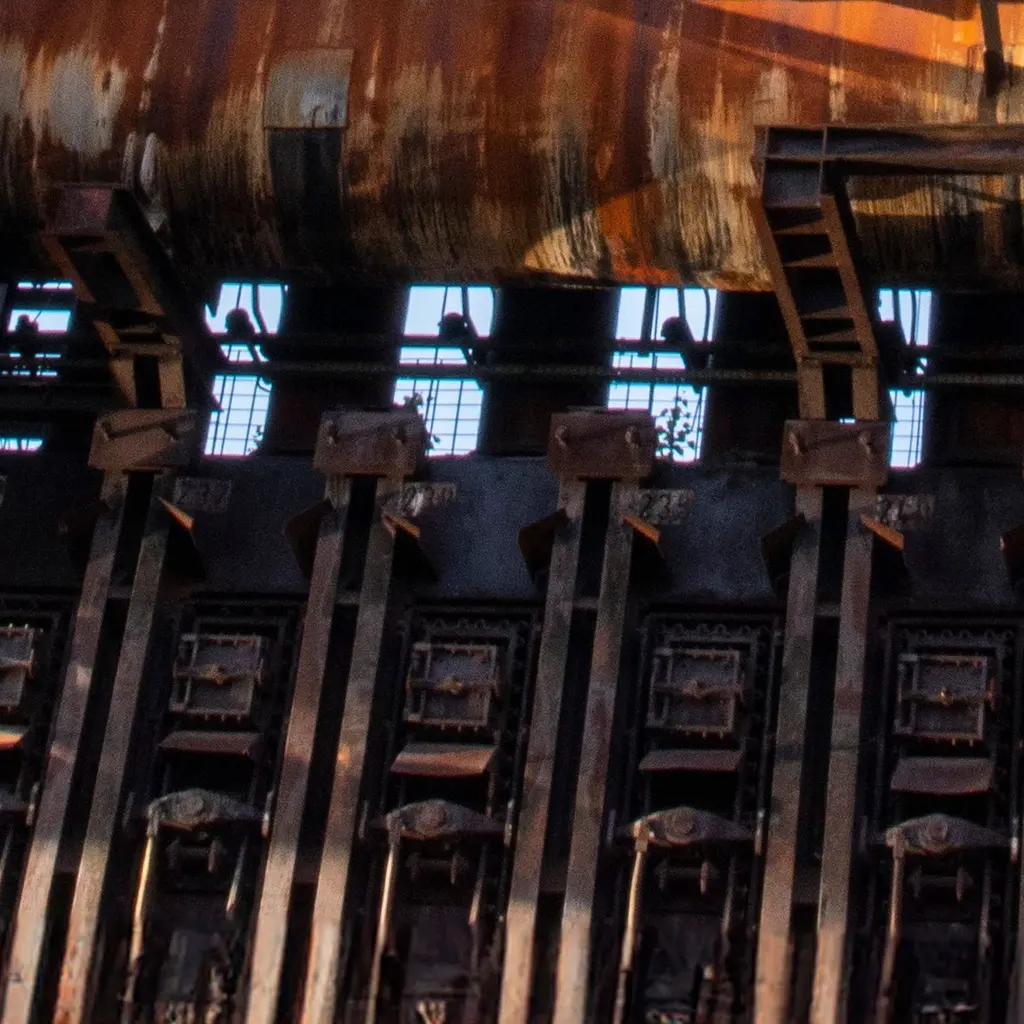
Your coke processing unit uses extreme heat to drive off volatiles, which creates fire, explosion, and combustible dust risks. A failure of oven machinery or conveyors can force a long-term shutdown, impacting your production output.
The Southern Agency can review your battery and quenching arrangements to help you choose insurance. For instance, we assess whether your property policy covers specific oven machinery while explaining that a forced shutdown requires distinct business interruption terms.
High-temperature ovens release combustible coke oven gas, and leaks or ignition sources can lead to fire or explosion across the battery.
Crushing, screening, and conveying coal can create combustible fine dust. Dust suspended in air at a suitable concentration can deflagrate if ignited; the material, dispersion, and actual handling conditions matter, not just the presence of a dust deposit.
Particulate and gas emissions draw regulatory oversight; exceedances can lead to enforcement and third-party complaints.
Where wet quenching or process-condensate handling is operated, untreated or released water can carry contaminants into soil or water. Identify the actual streams, treatment, containment and drainage rather than assume every oven configuration has the same release pathway.
Crews near ovens face heat stress and respiratory or skin exposure to coke-oven emissions. Coal handling and conveyors add particulate exposure and moving-machinery injury hazards.
Failure of oven machinery, blowers, or material-handling conveyors can halt a continuous line and idle the facility for an extended period.
Policies to ask about. Which ones fit depends on your operations, your contracts, and the carrier’s forms.
These hypothetical examples are not agency claim results. Whether a loss is covered depends on the facts, policy terms, and applicable exclusions.
Airborne coal dust ignites and deflagrates, damaging a conveyor gallery. Property may pay covered fire or explosion damage. Breakdown needs a qualifying equipment failure and resulting-damage terms; the explosion alone does not establish one. Lost earnings during restoration require applicable income protection, not just a repair payment.
A treatment upset releases quench water above discharge limits. Environmental terms may address covered response, cleanup and third-party defense for an insured release. An exceedance alone does not establish damage to neighbors or receiving water. Regulatory defense, fines and penalties need express terms and applicable law; routine treatment is not automatically an insured expense.
A worker suffers heat-related illness near the battery and needs medical care and time off. Workers compensation may pay eligible medical and wage benefits for a covered occupational illness under the applicable jurisdiction and policy. Confirm the actual employer; not everyone working at the battery is the plant operator's insured employee.
Start with the work you do and the questions your current policies leave unanswered. Carrier options depend on your location, risk, and underwriting. Explore our approach.
Property may pay insured fire or explosion damage; breakdown may pay qualifying machinery repair. Environmental and operational liability address different release, injury, and property claims, while workers compensation addresses covered employee injury or illness. Product terms must fit the supplied coke and alleged customer loss. Define the battery, recovery, quenching, ownership, and customer duties; excess adds specified covered liability limits, not automatic pollution, repair, or penalty protection.
Coal dust suspended in air at a suitable concentration can deflagrate if ignited. Describe actual materials, handling, accumulation, and controls. Property may pay covered gallery or plant damage, but breakdown requires its defined insured equipment event; the explosion alone does not establish that cause. Income during repair needs applicable interruption terms. Dust controls neither guarantee insurance nor make ordinary maintenance an insured loss.
Actual emissions, water, condensate, and material streams can create cleanup or third-party pollution claims. Environmental liability may pay covered remediation, defense, and damages, depending on insured conditions, locations, release periods, and reporting. A discharge exceedance alone does not establish covered contamination or a neighbor's injury. Regulatory defense, fines, and penalties need their express terms and applicable law; routine controls, treatment, and permit compliance are not presumed insured payments.
An insured machinery failure may create covered repairs and an eligible interruption, but a stoppage, worn component, or planned maintenance does not establish that event. Individual ovens cycle while shared blowers and handling systems may support wider output. Map the affected capacity, repair and restart time, stock, and actual earnings. Income, extra expense and customer delay obligations need their own applicable terms rather than an automatic payment for all lost production.
Workers compensation may pay statutory medical, rehabilitation and wage benefits for covered work-related heat injury or occupational illness. Identify the employer, duties, jurisdictions, and relevant work and exposure dates, including coal handling and coke-oven emissions. An on-site contractor is not automatically the plant's insured employee, and a diagnosis alone does not determine the responsible employer, policy, or benefits.
Bring oven age and condition, dust and housekeeping controls, water treatment and containment, air permits and control equipment, workforce and payroll near ovens, coke storage and handling layout, and fire, emission and injury history. Recovery arrangements, values, and actual operating duties also inform the assessment. None of those inputs establishes a premium or current availability.
Bring your questions, current policies, and relevant contracts. An agent can review coverage terms, exclusions, and the information carriers ask for, then explain the options available to you.