

Molten iron burns and explosion
Pouring and handling molten metal exposes workers to severe burns, and moisture contact with the melt can cause violent steam explosions.
Try a different word, or check the spelling.
Your customer's pattern can stay at the foundry after a batch of castings is shipped. Its ownership and value deserve attention alongside furnaces and stock, without assuming a melt freeze-up or rejected casting is a covered machinery loss.
The Southern Agency can help you align your foundry's high-temperature and dust-handling risks with specialized property and liability coverage.
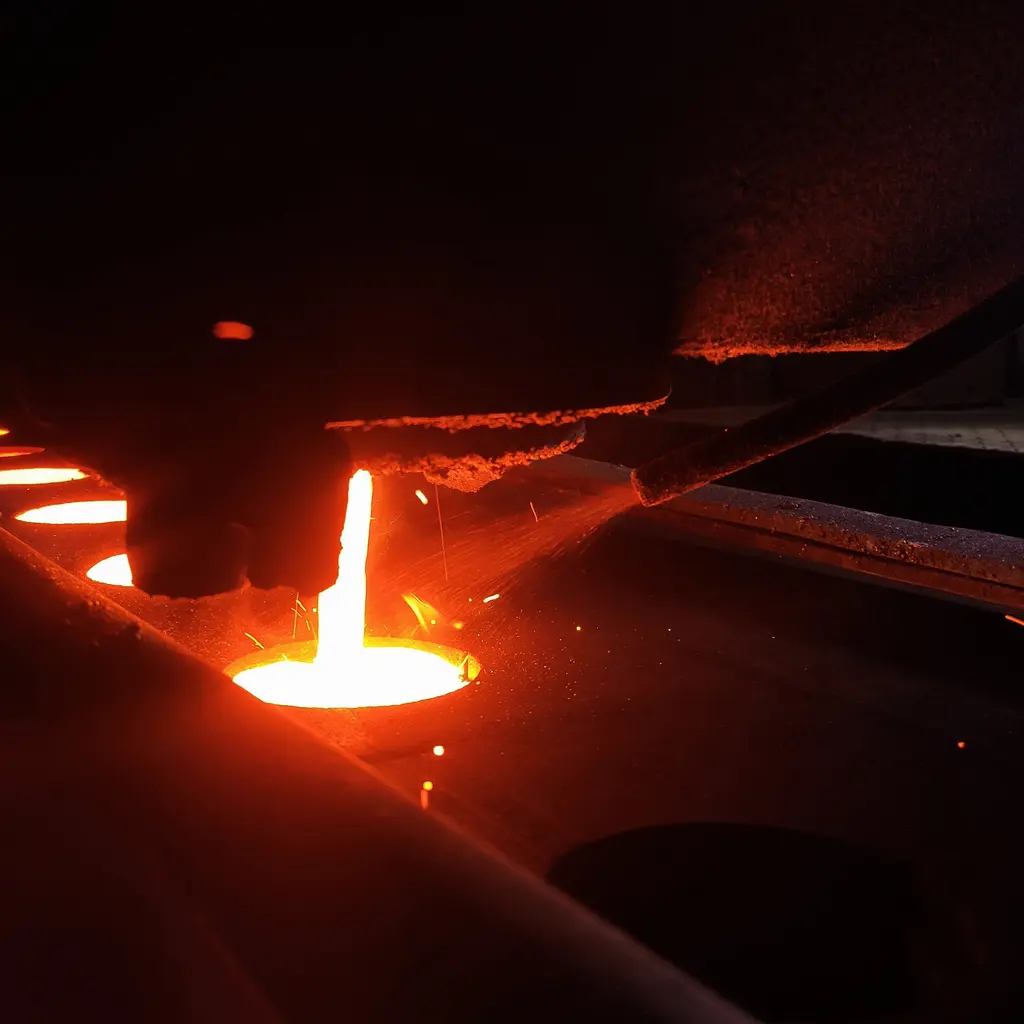
Your foundry casts metal components using molten iron and silica-bearing sand. The presence of molten metal, dust, and heavy machinery creates severe fire, burn, and health hazards for your workers and plant.
The Southern Agency can review your foundry operations and sand-handling systems to help you select appropriate insurance. For instance, we can assess if your environmental policy covers silica-related releases and how your property insurance values customer-owned patterns.
Pouring and handling molten metal exposes workers to severe burns, and moisture contact with the melt can cause violent steam explosions.
Castings with porosity or strength defects can break in load-bearing or structural uses, creating product liability claims.
Silica-bearing molding sand, shakeout and finishing can produce respirable crystalline silica. Assess actual material and exposure rather than treating all sand or dust as equivalent.
Cupola or induction furnaces and pouring systems are costly and central, so failure can halt casting production.
Shakeout, grinding, and shot blasting expose workers to struck-by, laceration, and repetitive-strain injuries.
Spent foundry sand, baghouse dust, and emissions create environmental and waste-handling liability subject to regulation.
Policies to ask about. Which ones fit depends on your operations, your contracts, and the carrier’s forms.
These hypothetical examples are not agency claim results. Whether a loss is covered depends on the facts, policy terms, and applicable exclusions.
Moisture in a ladle or mold contacts molten iron and causes an explosion that injures workers. Workers' compensation may address qualifying employee injuries under the rules applying to their employer and jurisdiction. Review any damage to the foundry's plant or to a third party separately under the relevant property or liability terms, including the cause and exclusions. Premises liability does not replace workers' compensation or cover all losses from the explosion.
A casting with internal porosity fractures in a customer's machine. Product liability may be relevant if the claim involves injury or covered damage beyond the casting, but the fracture alone does not establish downstream damage. Review the insured product and use, the policy's injury and property-damage definitions, and exclusions. Replacing the casting, dealing with impaired machinery or a disrupted process, and meeting shutdown or recall demands are separate questions.
An induction furnace fails and casting stops for several days. Equipment breakdown may help with repair and lost income, subject to the policy. Establish whether a covered internal failure occurred and how refractory-lining and molten-material terms apply. Any income claim depends on the extension purchased and repair and restart time; a stopped pour or failed lining alone does not establish coverage.
Start with the work you do and the questions your current policies leave unanswered. Carrier options depend on your location, risk, and underwriting. Explore our approach.
Molten-metal handling and contamination, pressure-related work, and silica-bearing sand in shakeout or finishing need qualified assessment for the work performed. Employee injury, damage to your plant and third-party claims need separate insurance review; a single liability policy does not cover all of those interests.
A defective casting can fracture in machinery or load-bearing service and lead to an injury or damage claim. Product liability may respond, depending on the casting's use and the policy's exclusions. Replacing your own casting or rejecting it for dimensions is a different question. Review impaired machinery, customer shutdowns and recall costs separately rather than assume the fracture makes those costs insured.
Yes, where silica-bearing sand and the work performed create exposure. Review sand composition, shakeout and finishing duties with qualified advisers, then check the state's occupational-injury benefit rules and relevant exclusions. Dust controls do not promise eligibility, favorable pricing or payment of a claim.
Property and equipment breakdown depend on different covered causes of loss. Check internal furnace and pouring-system failures, refractory linings and molten-process terms, plus repair and restart time. Stock and income extensions must be included if they are to respond under their terms. A worn lining, process upset or solidification loss is not necessarily covered.
Bring the sand and binder composition, dust and emissions information, site history and disposal routes. Review covered pollution releases, cleanup, third-party claims and reporting requirements separately from routine waste treatment, permit duties and fines. The sand's characteristics and the policy wording matter; neither hazardous status nor coverage follows from the name alone.
The review considers furnaces and processes, production, casting end uses, worker duties, controls, property values, and claims history. Pricing and available terms are assessed individually. Foundry classification or safeguards alone do not establish a particular result.
Bring your questions, current policies, and relevant contracts. An agent can review coverage terms, exclusions, and the information carriers ask for, then explain the options available to you.