Skip to content

Steel Mill Insurance

Your hot-end process can stop casting or rolling even when the downstream machines are intact. Equipment and income terms should follow the affected stages and restart work, separately from off-grade steel, ordinary shutdowns, or customer delay penalties.

The Southern Agency can review the stages your mill actually operates, along with machinery values, material-grade duties and the insurance terms offered.

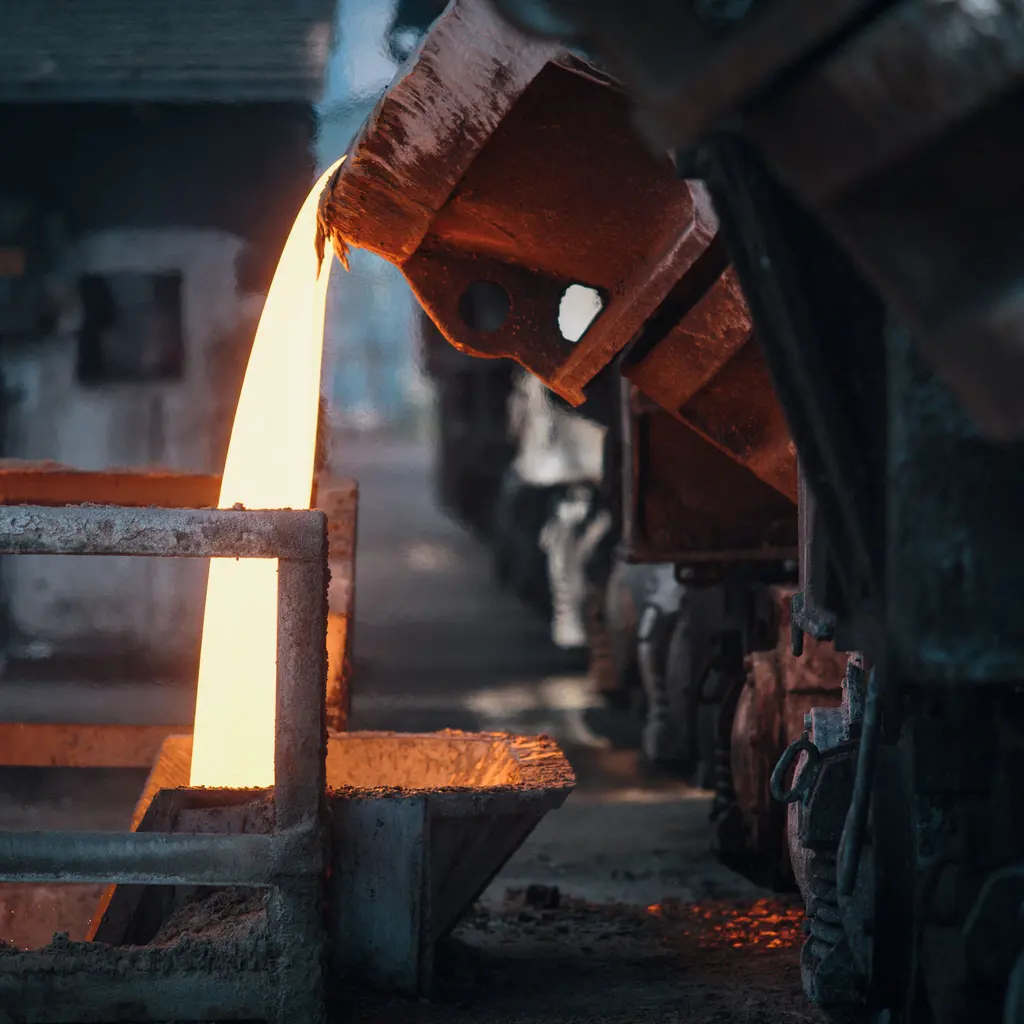
Molten metal pours from a tilted vessel into a receiving container inside a steelworks.

Industry overview

You operate a mill to melt, cast, and roll steel, which involves high-energy furnaces and molten material. Your production process creates significant fire, worker-safety, and product-quality exposures that require careful risk evaluation.

The Southern Agency can help you review your melting and casting operations, product specifications, and pollution-control arrangements to select appropriate insurance. We can discuss how to separate liability for steel-related injury or damage from your plant property, machinery, and environmental risks.

Risks worth discussing

Molten steel burns and breakouts

Molten-metal handling or loss of containment can burn workers and damage surrounding equipment. Moisture contact can cause violent ejection or explosion; describe the containment, cooling and handling arrangements without assuming every breakout has the same cause.

Furnace and caster breakdown

A furnace, caster or main-drive fault can interrupt connected stages and damage steel in process. Internal breakdown, wear, and a production-quality error are different coverage questions.

Overhead crane and dropped-load hazards

Ladle, slab and coil movements create dropped-load, crush and collision hazards. Identify the cranes, loads, operators, and property interests alongside the workers and contractors exposed.

Structural steel product liability

A grade or metallurgical defect can be alleged after supply to a fabricator or builder. A replacement demand for rejected beams differs from covered injury, damage to other property or qualifying loss of use.

Dust, slag, and emissions exposure

Dust, slag and combustion byproducts create emissions, handling and disposal questions. Identify the substance, location and release alleged; regulatory obligations alone do not define an insured pollution loss.

Major fire and explosion

Furnace heat, fuels, hydraulic oil, and oxygen systems require process-specific fire review. A fire may damage both machinery and stock; identify the cause, affected property, and repair or replacement values.

Continuous-production business interruption

A hot-end interruption can idle casting or rolling and delay orders. Map the affected stages, repair and restart time; ordinary shutdowns, lost demand, and customer penalties are not all covered income events.

Situations to think through

These hypothetical examples are not agency claim results. Whether a loss is covered depends on the facts, policy terms, and applicable exclusions.

  1. Hypothetical: Hypothetical: Furnace breakout

    A containment failure releases molten steel, injures crew, and damages equipment. Workers’ compensation may address eligible employee injuries. The equipment damage needs a covered cause under the relevant property or breakdown terms, including any exclusions and ensuing-damage provisions; the injury response does not settle the machine claim.

  2. Hypothetical: Hypothetical: Caster drive failure

    A main caster drive fails, stops casting, and ruins a heat in progress. Equipment breakdown may address eligible drive repair if an insured internal event caused the loss. Spoiled steel and income loss need the relevant extensions and valuation, waiting-period and restoration terms; neither every rejected heat nor every customer delay cost is promised.

  3. Hypothetical: Hypothetical: Structural beam specification dispute

    A buyer alleges a shipment of beams falls short of its strength specification and demands the cost of replacing the nonconforming steel. That financial demand differs from liability for injury or damage caused by the beams. Manufacturers E&O may address eligible financial liability if offered for the product and claim, but warranty, refund, and own-product correction terms still need checking.

Before you talk to an agent

What to have ready

Tick items as you gather them. Nothing here is saved or sent.

Questions to raise

  • Value machinery, cranes, steel in process and finished stock by ownership, stage and peak concentration. Confirm the proposed valuation basis rather than assume replacement cost is the only basis available.
  • Map furnace, caster, drive and downstream rolling dependencies, repair lead times and restart needs. Compare repair, spoiled steel, extra expense, and income terms individually.
  • Separate strength or metallurgical rejection, replacement and customer delay demands from injury or damage caused by supplied steel. Review any manufacturers E&O for the financial loss actually proposed, not just its label.
  • Describe dust, slag, emissions, and disposal routes. Compare an insured pollution condition with ordinary waste handling, permit work, regulatory defense, and penalties.
  • Assess possible injury and product claim size, buyer limits, and underlying aggregates before choosing excess layers. Check attachment, exclusions, and the liabilities each layer actually follows.

Contract terms to check

  • Identify the grade, strength, and metallurgical requirements, responsibility for tests and acceptance, and remedies for rejected or nonconforming steel. A warranty or replacement promise is different from liability for harm caused by the goods.
  • Compare buyer limits, additional-insured status, indemnities, and withdrawal obligations with actual policies and endorsements. A certificate does not expand coverage or insure every assumed obligation.
  • Disclose any erection, installation or independently sold engineering or testing work. Check defined products and services and professional exclusions rather than assuming a manufacturing policy insures all advice. If a proposed E&O form is claims-made, check prior acts and reporting.
  • Separate delivery penalties and buyer shutdown demands from the mill’s own covered repair, stock, and income loss. Identify ownership and insurance duties for any leased machinery or customer-owned steel.

What the agent conversation looks like

Start with the work you do and the questions your current policies leave unanswered. Carrier options depend on your location, risk, and underwriting. Explore our approach.

  1. ListenReview your operations, current coverage, and past claims.
  2. AssessIdentify potential hazards and discuss ways to reduce risk.
  3. BuildDiscuss policy and carrier options, premium costs, and audits.
  4. SupportReview changes and help you plan ahead as your needs develop.

Questions owners ask

What coverages does a steel mill usually need?

Start with the melting, casting, and rolling route, employee duties, machinery and steel values, end uses, emissions controls, and waste arrangements. Compare property, internal breakdown and included income with product and operational liability, statutory worker benefits, and any pollution or excess terms. The mix, limits and availability depend on the actual operation and underwriting.

How does equipment breakdown apply to a mill?

An insured internal mechanical or electrical event may qualify for eligible furnace, caster or drive repair. In-process steel and income require their purchased extensions, property interests, and timing. A stopped line, refractory maintenance, normal wear or an off-grade heat does not by itself establish an insured breakdown.

Why is product liability important for structural steel?

Steel can be alleged to have caused injury, other-property damage or qualifying loss of use in a downstream structure. Product liability has its own products, uses, and exclusions. A rejected grade, replacement promise, or buyer’s financial correction demand needs separate review; a manufacturers E&O form, if offered, must actually insure the product and loss.

Do mills need environmental coverage?

Review the dust, slag, emissions, site, and disposal routes you operate. Pollution liability may address eligible cleanup or third-party claims from an insured condition, with reporting and exclusions checked. Regulation does not establish coverage for every release or demand; routine controls, waste treatment, fines, and regulatory defense require separate treatment.

What happens to revenue if the hot end goes down?

Income protection may address an eligible interruption caused by the insured property or machinery event. Identify the affected production stages, repair, and restart period, waiting time, limits, and extra expense. A planned shutdown, market shortfall or contractual delay payment is different from insured lost earnings.

How are steel mill premiums determined?

Bring furnace method and capacity, casting and rolling throughput, values for machinery, cranes and steel stock, handling duties, emissions controls, workforce, and payroll, end uses, and separate loss histories. Include buyer terms and any services beyond making steel. Pricing, limits and availability depend on the actual operation and underwriting.

Talk through your steel mill coverage

Bring your questions, current policies, and relevant contracts. An agent can review coverage terms, exclusions, and the information carriers ask for, then explain the options available to you.

How can we help you get started?

Choose the quote that fits, and we’ll take it from there.

Have a question? Contact us