

Fire and explosion in process units
Flammable hydrocarbons under pressure in amine, cryogenic, and fractionation systems create significant fire and explosion exposure across the plant.
Try a different word, or check the spelling.
Your gas or liquids will enter someone else's equipment after processing. Product liability for damage downstream needs to be distinguished from replacing off-spec output and repairing your own plant.
The Southern Agency can help you align your facility’s processing risks and operational agreements with appropriate insurance terms.
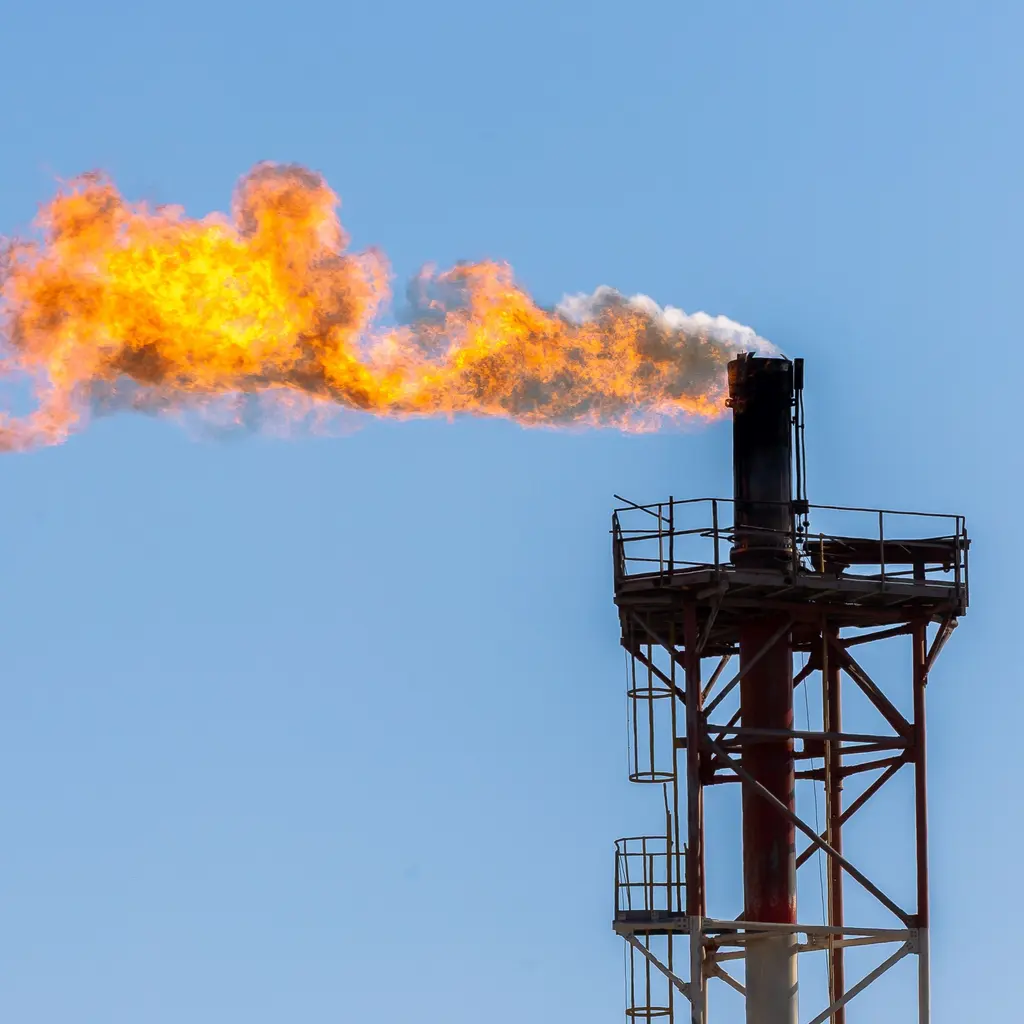
You treat raw wellhead gas and may recover natural gas liquids using compressors, recovery units or fractionation equipment. Pressurized hydrocarbon streams bring fire exposure; sour-gas service adds toxic hydrogen sulfide hazards where present.
The Southern Agency can review your facility’s processing trains, production agreements, and maintenance duties to help select appropriate insurance, including coverage for environmental releases and interrupted earnings.
Flammable hydrocarbons under pressure in amine, cryogenic, and fractionation systems create significant fire and explosion exposure across the plant.
Sour feed gas contains hydrogen sulfide, a toxic gas whose release can harm workers and nearby communities. Actual composition and maintenance duties determine the exposure; processing does not mean every plant handles sour gas.
Failure of compressors, heat exchangers, or fractionation columns can halt processing and cause major repair and business interruption losses.
Routine and upset emissions, flaring events, and liquid hydrocarbon spills create environmental and regulatory exposure.
Gas or NGLs shipped off-specification can damage downstream systems or customers, leading to product-related claims.
Where cryogenic recovery is used, low-temperature service brings worker and equipment hazards. Identify operating temperatures, materials and any brittle-fracture or freeze incidents rather than assuming every plant has the same exposure. Water remaining in the gas stream can form hydrates, so dehydration performance also matters.
Operators and maintenance crews face confined-space, high-pressure, and chemical exposure, especially during plant turnarounds.
Policies to ask about. Which ones fit depends on your operations, your contracts, and the carrier’s forms.
These hypothetical examples are not agency claim results. Whether a loss is covered depends on the facts, policy terms, and applicable exclusions.
A main gas compressor fails and shuts down a processing train for weeks. Equipment breakdown may pay qualifying compressor repair or replacement costs. If the interruption reduces the plant's earnings, applicable income terms may pay covered lost processing fees or product-sale earnings and continuing expenses during restoration. Identify the actual revenue interest and insured failure; time offline alone does not make wear, planned maintenance, or every lost shipment payable. Connected producers' output and delivery penalties are separate questions.
A sour gas release during maintenance prompts third-party exposure claims and regulatory response. Environmental liability may pay covered defense and damages for those claims and qualifying investigation or response bills. Actual gas, locations, earlier conditions, and notice and emergency-cost terms matter. Regulatory attention does not prove soil contamination or make every inspection, shutdown, upgrade, or fine insured. Any injured employee's statutory benefits need the applicable employment and workers compensation terms.
Product shipped off-specification harms a downstream customer's equipment. Product liability may pay covered defense and damages for customer-equipment repairs and associated loss of use. Replacing the plant's own off-spec product, withdrawing other stock, and fulfilling a quality promise need separate terms. Preserve samples, specifications, delivery, and damage records; a failed specification alone does not show the customer's equipment was damaged. Product protection may share the GL limits rather than supply an additional independent limit.
Start with the work you do and the questions your current policies leave unanswered. Carrier options depend on your location, risk, and underwriting. Explore our approach.
Property may pay covered fire or other insured physical damage to compressors and plant equipment. Equipment breakdown may pay qualifying internal mechanical, electrical or pressure-system failure of covered equipment. The protections may be combined or separate; the cause and insured component matter. A sudden stop does not make corrosion, wear or maintenance insured, and a fire at a compressor does not itself prove a covered breakdown. Resulting income and expediting costs need applicable extensions and limits.
Gas and NGLs shipped off-spec can damage downstream customers or equipment. Product liability may pay covered defense and resulting damages, with specifications, samples, delivery, and actual harm informing responsibility. A rejected batch or failed specification alone is different from a claim for damaged equipment or its loss of use. Product replacement, reprocessing, withdrawal, and quality guarantees need their own treatment. Product protection may sit within GL or separately, so establish shared limits rather than assume two independent payments.
Identify the actual H2S content, sour-service equipment, treating, and response arrangements. Environmental coverage may pay covered investigation, emergency response, cleanup and third-party pollution claims when the substances, operations, locations, and event fit. A GL heading or safety procedure does not establish that grant or current eligibility. Covered employee benefits and contractor or neighbor claims have different terms. Earlier conditions, discovery, reporting, and emergency provisions remain material; regulatory attention does not make every fine, upgrade or shutdown payable.
An applicable income extension may pay covered lost earnings and continuing expenses when its insured loss interrupts processing. The cause, property or equipment interest, waiting period, restoration terms and limits govern, not the shutdown's length alone. Identify processing fees and product-sale interests actually earned by the plant; gross throughput or producers' lost output is not automatically the earnings measure. Planned turnarounds, lost feed, rejection, market losses, and delivery penalties need their own cause and coverage assessment. Current eligibility and terms require underwriting.
Interconnection and supplier agreements may request coverages, limits, insured parties, waivers, and indemnities. Use the actual gas-quality, pressure, delivery, ownership and interruption duties to compare those requests with policies and endorsements. A contract or certificate does not add every requested grant, prove financial-assurance compliance or insure a throughput promise. A required limit also does not establish that matching capacity is available. Any protection depends on actual terms and underwriting.
Provide feed composition and sour or sweet service, the treating and recovery technology, and replacement values of rotating and process equipment. Include throughput and product mix, process-safety records and turnaround history. Describe nearby communities and sensitive receptors, worker headcount and prior claims. Ownership, requested grants, limits, and deductibles also matter. Final pricing depends on underwriting and your facility's specifics.
Bring your questions, current policies, and relevant contracts. An agent can review coverage terms, exclusions, and the information carriers ask for, then explain the options available to you.