

Process fire or explosion
Flammable materials under heat and pressure can escape and damage several units.
Try a different word, or check the spelling.
Your turnaround may bring outside crews into a plant with shared utilities and interdependent units. Injury and operating liability need to follow the actual employers and work, alongside property and shutdown protection.
Talk with The Southern Agency about your operation, policy terms, and the information carriers need.
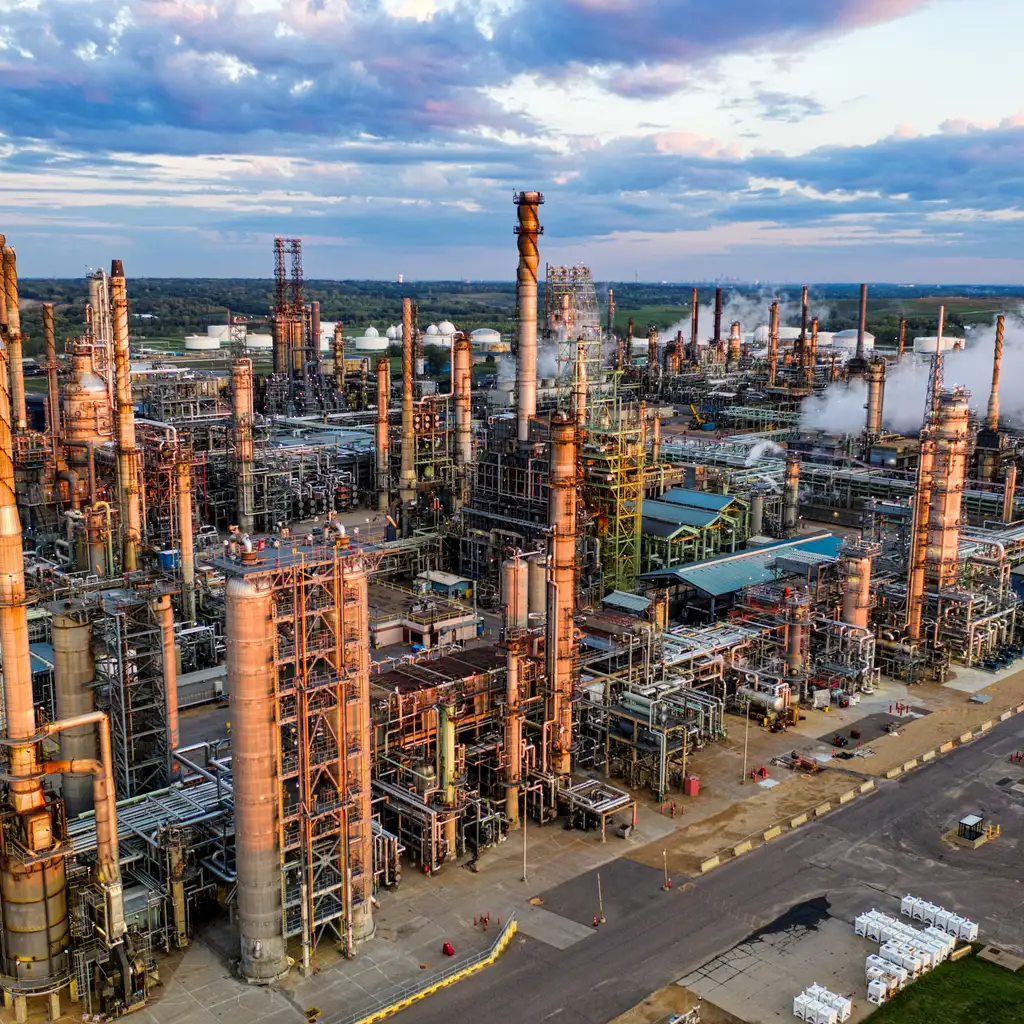
You operate refineries that convert crude oil into fuels using interconnected processing units. A fire in one unit can stop production across the entire plant, requiring insurance that accounts for these complex dependencies.
The Southern Agency can review your processing units and staffing arrangements to help select appropriate insurance. For example, we can help you assess the environmental and equipment risks inherent in your interdependent production lines.
Flammable materials under heat and pressure can escape and damage several units.
A failed compressor or shared utility can idle other processes, extending lost earnings.
Tanks, drains and emissions can affect air, soil or water beyond the initial equipment loss.
Turnaround crews face industrial injuries; off-spec fuel can damage downstream equipment or trigger recall demands.
Policies to ask about. Which ones fit depends on your operations, your contracts, and the carrier’s forms.
These hypothetical examples are not agency claim results. Whether a loss is covered depends on the facts, policy terms, and applicable exclusions.
A tower fire damages connected services and stops several units. Property may address insured physical damage, while income terms need to include the affected dependencies and earnings interest. Waiting and restoration periods matter; payment for repairs does not reimburse every shutdown or restart expense.
A compressor fails internally and stops a process train. Breakdown may address an insured failure, with linked income where included. Establish the cause and affected machinery; wear, scheduled overhaul and a process shutdown without an insured trigger need different treatment.
A tank leak reaches site drainage, prompting cleanup and a neighbor's claim. Environmental terms may address covered response and third-party loss for included locations and conditions. Prior releases, notice and emergency-cost requirements matter; a cleanup order does not establish payment for every upgrade or fine.
Start with the work you do and the questions your current policies leave unanswered. Carrier options depend on your location, risk, and underwriting. Explore our approach.
Review process property, breakdown, pollution, liability, employee injury, and compatible excess, with product duties addressed separately.
One damaged unit or utility can stop others. Income protection needs suitable interdependency and restoration provisions.
Assess asset concentrations and loss scenarios with suitable specialist forms. High limits do not remove excluded causes.
Covered releases and defined cleanup or third-party costs may be included; pathways, timing and known conditions matter.
Qualifying breakdown may apply to identified machinery. Wear, maintenance and every process shutdown are not insured.
Configuration, values, products, safety/maintenance, dependencies, staffing, and losses inform underwriting; no placement or price is promised.
Bring your questions, current policies, and relevant contracts. An agent can review coverage terms, exclusions, and the information carriers ask for, then explain the options available to you.