Skip to content

Natural Gas Pipeline Insurance

New construction can change who and what sits beside your established right-of-way. Your liability review needs to keep pace with those surroundings, separately from protecting compressors, regulators, and buried line interests.

The Southern Agency can help compare route liability, compression dependencies and control-system exposure with your existing insurance.

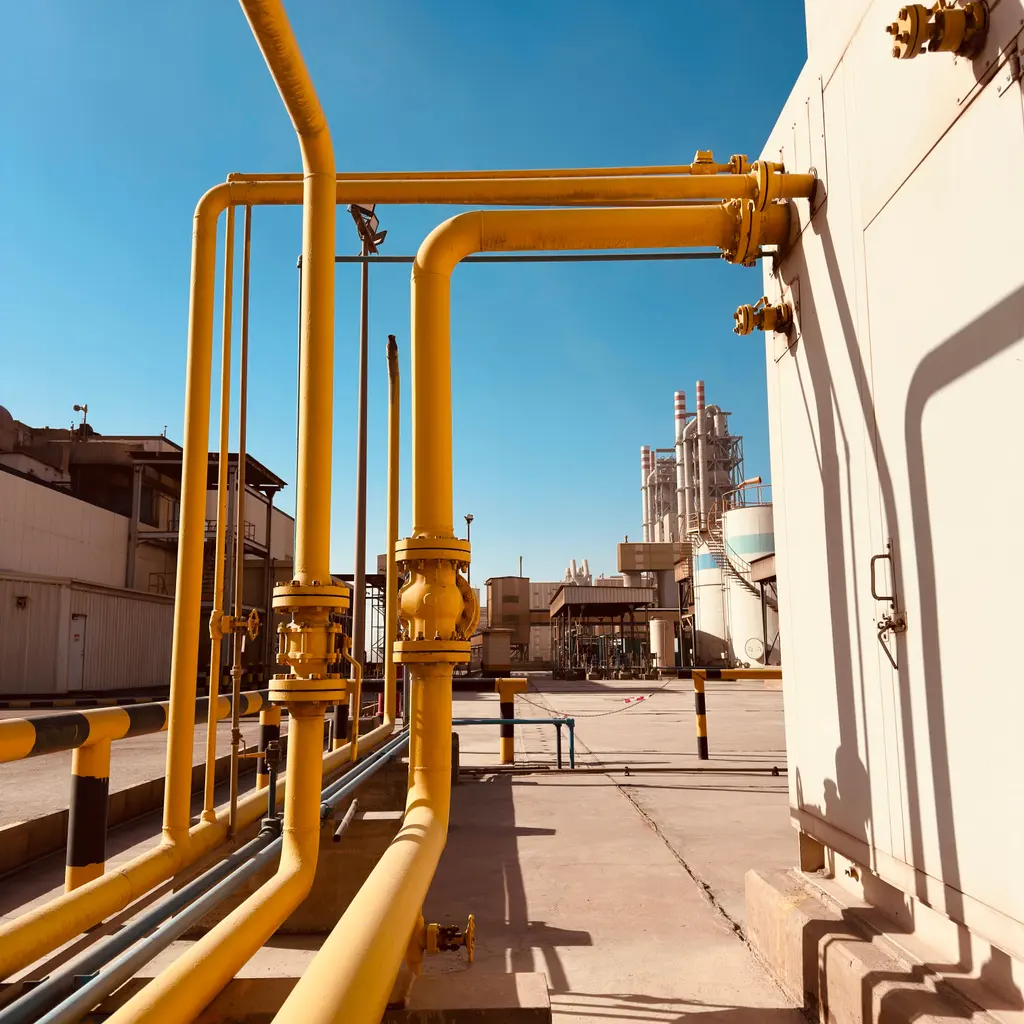
Yellow gas pipework and control valves outside an industrial building.

Industry overview

You manage high-pressure pipelines that transport gas across regions, relying on compressors and regulators to maintain flow. A rupture or mechanical failure can cause significant property damage and interrupt your ability to deliver gas to utilities and customers.

The Southern Agency can review your route, compressor and line interests, control systems and delivery agreements. We can help separate third-party release claims from your own repairs, restoration time and interruption earnings.

Risks worth discussing

Pressurized gas released

Corrosion, weld damage or an excavation strike can release gas, with fire, injury or damage depending on what happens next. Identify actual impact and people affected; a leak or emergency shutdown alone does not establish every claimed injury or insured cost.

Development near the route

New homes, roads or building work beside an established right-of-way can change the people and assets exposed. Keep land-use and crossing information current for insurance and qualified technical review; do not infer a regulatory classification from a map or business label alone.

Compressors and pressure systems fail

A compressor, drive or regulator failure can stop throughput or damage connected equipment. Identify the part and cause: wear, an internal insured failure and external fire are not the same trigger, and station cover does not establish every buried-line or customer-delivery interest.

Controls and shutdowns

Compromised remote monitoring or control access can create investigation, recovery and operating costs. Separate a security event from planned repair or precautionary shutdown, and own interruption from damage or claims outside the insured systems.

Coverage worth discussing

Policies to ask about. Which ones fit depends on your operations, your contracts, and the carrier’s forms.

Situations to think through

These hypothetical examples are not agency claim results. Whether a loss is covered depends on the facts, policy terms, and applicable exclusions.

  1. Hypothetical: Gas ignites near homes

    A ruptured line ignites near homes, damaging neighboring property and prompting claims against the operator. Applicable liability may help pay covered defense and damages, with gas-operation, pollution and insured-party terms checked. Any excess layer has its own attachment and exclusions; repairing the operator's line is a separate property interest.

  2. Hypothetical: Excavator strikes the line

    An excavator strikes a buried line and the operator shuts it down for emergency work. Property may help repair covered own-line damage; covered release response or third-party claims need their own terms. Identify actual release, harm and operator or contractor duties. The excavator's involvement does not settle fault, and shutting down alone does not insure every lost delivery or penalty.

  3. Hypothetical: Compressor fails

    A compressor suffers an internal electrical failure and transmission stops during replacement. Breakdown may help pay covered repair or replacement of included equipment. Income protection needs its own trigger, waiting period, actual earnings calculation and restoration terms; the shipper's lost sales, replacement gas and contract penalties are not automatically the operator's covered income.

Before you talk to an agent

What to have ready

Tick items as you gather them. Nothing here is saved or sent.

Questions to raise

  • Map the route, operating pressures, crossings and changing land use, including shared or third-party assets. Compare actual activities and affected people or property with insured parties and limits; a route map does not certify legal classification or sufficient cover.
  • Separate routine integrity work and wear from insured own-asset damage, release response and third-party claims. Identify repair and reporting dates, previous conditions and actual operator or contractor duties. Maintenance or an order to stop flow is not itself an insured cause.
  • Identify compressor and control dependencies, available spare capacity and realistic replacement and restart time. Estimate the operator's earnings and continuing expenses separately from throughput volume, replacement-supply purchases and customer delay demands.

Contract terms to check

  • Use right-of-way, transportation, interconnect and maintenance agreements to identify ownership, access, excavation coordination, repair, release and delivery duties. Compare actual limits, insured parties, waivers and indemnities with policy provisions and endorsements; certificates do not amend them. A delivery guarantee, replacement-gas bill or customer's consequential loss is not automatically insured. Applicable integrity, operating authority and financial-responsibility obligations need separate qualified legal and technical review.

What the agent conversation looks like

Start with the work you do and the questions your current policies leave unanswered. Carrier options depend on your location, risk, and underwriting. Explore our approach.

  1. ListenReview your operations, current coverage, and past claims.
  2. AssessIdentify potential hazards and discuss ways to reduce risk.
  3. BuildDiscuss policy and carrier options, premium costs, and audits.
  4. SupportReview changes and help you plan ahead as your needs develop.

Questions owners ask

What is the biggest exposure for a gas pipeline?

An ignited release can cause serious third-party injury or property claims, while a compressor dependency can interrupt transportation earnings without the same loss pattern. Review actual route surroundings, equipment, controls and agreements rather than using a universal ranking. Liability, own repairs and interruption have different insured interests and triggers.

How does encroachment affect our insurance?

New homes, roads or construction can change the people and property potentially affected by a release and the duties requiring technical review. Supply current route and crossing information. Do not infer a regulatory class, mandatory limit or insurer acceptance solely from nearby development; compare actual circumstances with appropriate advisers and policy terms.

Are third-party dig-ins covered?

A strike can cause line damage, a release and claims by others. Property may pay covered own-line repair, with pollution and liability terms addressing different covered costs or claims. Establish cause, operator and excavator duties and insured parties. Contractor involvement alone does not resolve fault or every contract allocation.

Does cyber coverage matter for a pipeline?

Describe remote monitoring, control functions, vendor access and recovery dependencies. Cyber may help with covered investigation, system restoration or interruption after its defined event. Check included systems, providers, waiting and reporting; a compromised control system is not itself proof of damaged machinery, injury or cover for every physical consequence.

What protects against a compressor outage?

Breakdown may help repair included equipment after a qualifying internal failure; external damage can involve property terms instead. Any income payment needs its own insured trigger, waiting period, earnings calculation and restoration terms. Planned maintenance, a precautionary shutdown, a buyer's losses and supply penalties are not automatically covered along with repair.

Talk through your natural gas pipeline coverage

Bring your questions, current policies, and relevant contracts. An agent can review coverage terms, exclusions, and the information carriers ask for, then explain the options available to you.

How can we help you get started?

Choose the quote that fits, and we’ll take it from there.

Have a question? Contact us