

Several wells affected together
A pad incident can damage concentrated assets and interrupt connected production.
Try a different word, or check the spelling.
Your produced water may leave the pad for a destination you do not own. Environmental protection needs to follow the actual gathering, hauling and disposal duties without assuming every destination or seismicity allegation is included.
Talk with The Southern Agency about your operation, policy terms, and the information carriers need.
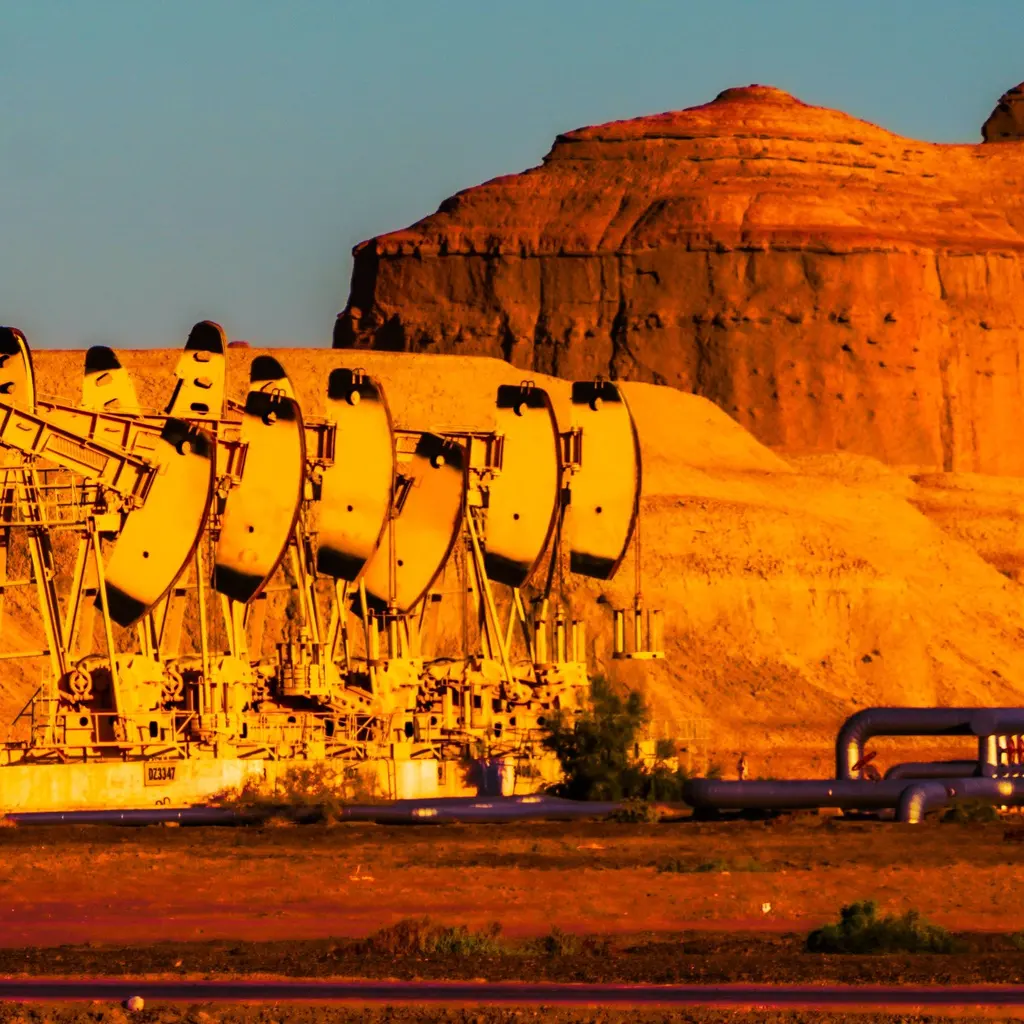
You coordinate production across multiple wells and pads, transporting produced water and hydrocarbons through gathering lines. A fire at a central plant can impact your wells, while a leak in a water line can cause environmental damage away from your primary facility.
The Southern Agency can review your well-pad infrastructure and production transport methods to help you select appropriate insurance. We can discuss how to organize property and environmental coverage to address your diverse gathering and disposal responsibilities.
A pad incident can damage concentrated assets and interrupt connected production.
Storage, transfer, and disposal can create contamination duties across multiple locations.
Injection-related claims can raise seismicity questions, but liability and insurance cannot be inferred from disposal alone.
Central machinery failures and constant field travel can interrupt output or injure workers and road users.
Policies to ask about. Which ones fit depends on your operations, your contracts, and the carrier’s forms.
These hypothetical examples are not agency claim results. Whether a loss is covered depends on the facts, policy terms, and applicable exclusions.
A pad fire damages several wellheads and connected production stops. Surface property may address included physical damage to insured interests. Well-control costs and lost output need their own applicable triggers and terms; a fire alone does not establish every control or interruption benefit.
A produced-water line leaks onto nearby farmland, and the landowner seeks cleanup and damages. Accepted environmental terms may address covered release costs and third-party claims. Check declared lines, substances, ownership and reporting; repairing the failed line is a separate cost.
A field truck collides with another vehicle between pads. Accepted auto terms may address covered third-party defense and damages, with own-truck repairs under selected physical damage. Any hauled material or release needs its applicable terms; the road location does not make those losses ordinary auto damage.
Start with the work you do and the questions your current policies leave unanswered. Carrier options depend on your location, risk, and underwriting. Explore our approach.
The focus is shared assets and duties across a field, not a fixed minimum scale. Some operators outsource drilling, hauling or disposal.
Yes. Storage, transfer, and destinations can create separate contamination interests requiring explicit terms.
No automatic grant should be assumed. Injection, earth movement, causation, and non-owned disposal restrictions require specialist review.
Travel and hauling create road exposure. Disclose own fleets and third-party hauling rather than treating them as identical.
They can request protection or allocate duties. Policy acceptance and any required financial assurance must be independently checked.
Wells, ownership, phases, water handling, facilities, fleet, and loss history inform underwriting; no standard rate follows from pad count.
Bring your questions, current policies, and relevant contracts. An agent can review coverage terms, exclusions, and the information carriers ask for, then explain the options available to you.