

Ride malfunction and guest injury
A restraint, brake or drive failure can injure a rider. An operating error can also lead to a claim against the park, ride owner, manufacturer, or maintenance contractor.
Try a different word, or check the spelling.
One attraction can be closed while your gates remain open. Protection for the ride and any lost admissions needs to distinguish insured damage from an investigation, recall, or precautionary weather closure.
The Southern Agency can help you evaluate your ride operations and visitor liability to select coverage tailored to your amusement park.
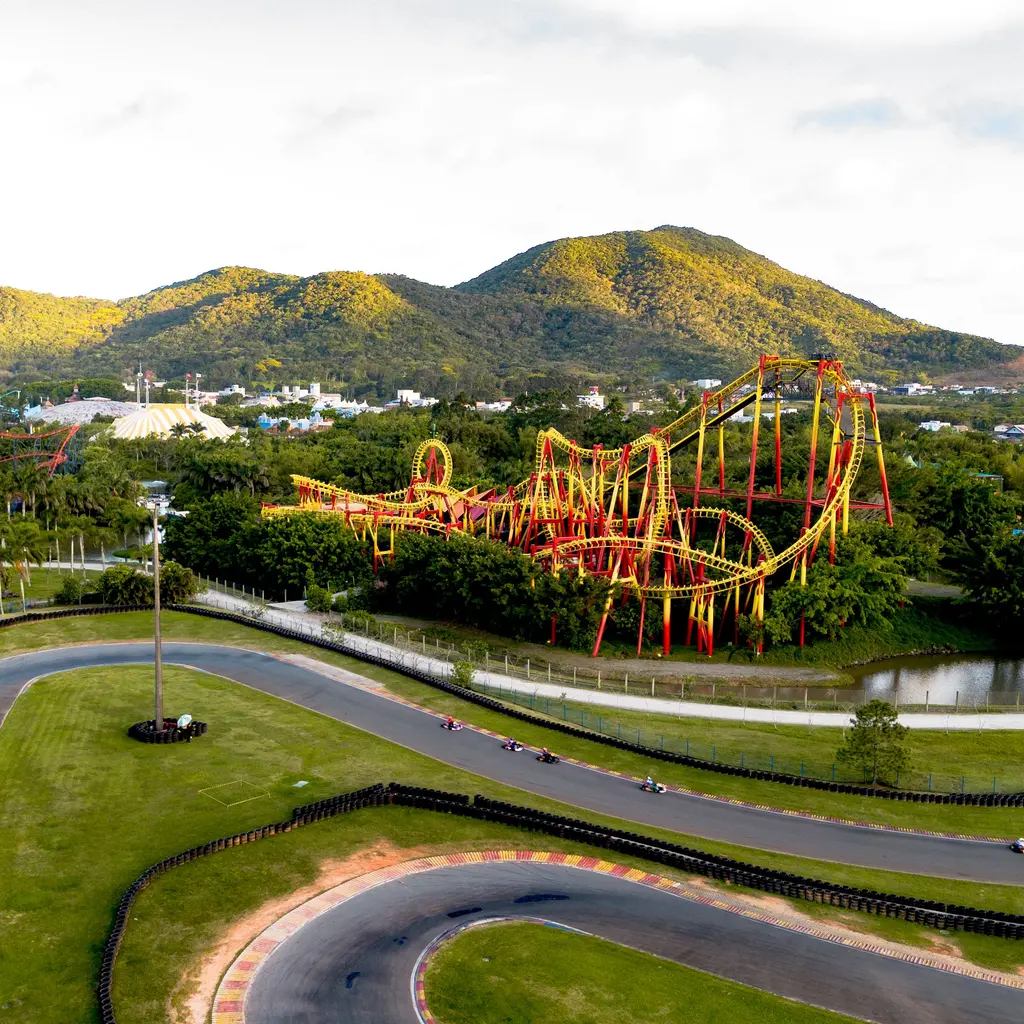
You operate mechanical rides and concessions that attract large seasonal crowds, where any ride breakdown or rider injury could lead to significant claims and downtime.
The Southern Agency can review your ride inventory, maintenance partners and seasonal staffing to help you compare insurance. We can distinguish guest claims from machinery repairs and measured lost admissions, including when a key attraction closes but the rest of your park stays open.
A restraint, brake or drive failure can injure a rider. An operating error can also lead to a claim against the park, ride owner, manufacturer, or maintenance contractor.
Queue lines, walkways, wet areas and parking can expose guests and bystanders to falls or crowd-movement injuries, including while they are not using a ride.
Workers can be injured while running games, serving food, or helping with rides and maintenance. Seasonal assignments and younger employees can also raise questions about training, supervision, and permitted duties.
Lightning, high winds or storms may stop rides and send crowds toward exits or shelter. Guests can be injured during an evacuation, even if the storm does not damage the park.
Fire, storm, or vandalism can damage high-value rides, structures, and signage that are costly and slow to repair or replace.
Illness or burns linked to food concessions can lead to claims. A park may run its own concessions or use outside vendors, which can affect who is responsible and whose policy responds.
An investigation, recall, repair, or weather closure can cut admissions during the busy season. Even a single closed attraction can reduce visits while the rest of the park stays open.
Policies to ask about. Which ones fit depends on your operations, your contracts, and the carrier’s forms.
These hypothetical examples are not agency claim results. Whether a loss is covered depends on the facts, policy terms, and applicable exclusions.
Hypothetical: an injured rider sues the park, alleging that a restraint failed. General liability may pay defense costs and covered injury damages if the ride and operator are insured. An excess layer may help above the relevant underlying limit, subject to its own terms. That does not automatically pay for replacing the restraint or carrying out a recall.
Hypothetical: a guest falls in a storm evacuation crowd, breaks a wrist, and alleges unsafe exit management. General liability may help pay defense costs and covered injury damages. The park's responsibility still depends on the facts; the storm does not settle that question. This claim is separate from damage to the park or lost revenue during closure.
Hypothetical: a coaster's drive motor fails during the season while other attractions remain open. Equipment breakdown may pay covered motor repairs if the system and failure qualify. Lost-income protection, if provided for the breakdown, may help with the measured income loss after any waiting period. Check how continuing operations affect the loss and how long payment can continue. A repair payment does not automatically reimburse every missed admission or refund.
Start with the work you do and the questions your current policies leave unanswered. Carrier options depend on your location, risk, and underwriting. Explore our approach.
Guest-injury claims, damage to rides, and employee injuries are different insurance needs. Breakdown and lost-income protection can also matter when a key ride stops. Any package or higher liability layer must suit the park's rides and other activities; the park name alone does not define what is covered.
A single ride incident can injure several people and bring claims against the park and other businesses. Confirm that the policy covers the ride and its operators, then compare the limit for one incident, any cap on total claim payments and how defense costs use those limits. Check that an excess policy covers the same operations. Inspection and maintenance records describe the risk but do not guarantee payment of a claim.
Inspection and insurance filings depend on the device and the location. Check those requirements with the relevant authority and compare the ride list with the policy. A generic certificate is not a substitute for a required filing. An insurance inspection is also not a safety guarantee or a decision to pay a future claim.
Income cover may help if a covered property loss or insured breakdown stops the ride. When the rest of the park stays open, the loss needs to be measured rather than treating every admission as lost. Check any waiting period and how long payment can continue. A recall, investigation, bad-weather pause, or inspection shutdown does not automatically qualify, and a repair payment does not mean all ticket refunds are insured.
Workers' compensation may pay medical bills and qualifying wage benefits for covered seasonal employees. The staffing arrangement, work state, and tasks affect that review, including workers supplied by another business. Seasonal status does not itself decide employment status or legal obligations. Younger staff assignments also need separate employment and safety advice.
An incident involving several guests can produce a large claim, but attendance alone does not set the right limit. Compare plausible losses and the limits requested by leases or authorities with existing coverage. A higher layer needs to cover the park's rides and operators and start where expected. Extra limit does not add an excluded activity or a business that is not insured.
Bring your questions, current policies, and relevant contracts. An agent can review coverage terms, exclusions, and the information carriers ask for, then explain the options available to you.