

Patron falls
Tables, chairs, spilled drinks, and crowded aisles create trip hazards during arrivals and breaks.
Try a different word, or check the spelling.
Your prize funds may be held before the first number is called and after the room empties. Crime protection needs to fit who holds that money and when, separately from liability for people attending the session.
The Southern Agency can help compare premises, crime and any food or alcohol-service terms for the operation you actually run.
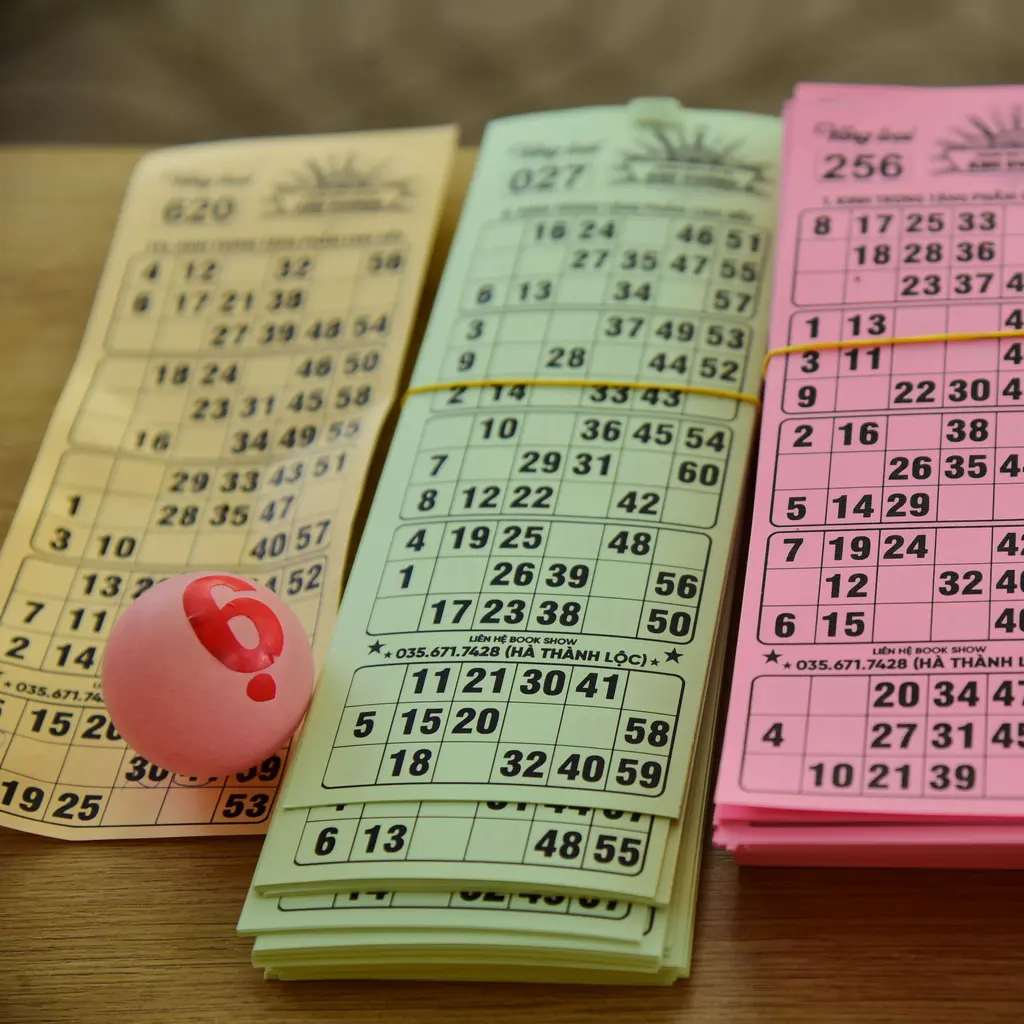
You welcome players for scheduled games, collect buy-ins and keep prize funds ready for payouts. A fall between tables, missing cash or fire damage to calling equipment can disrupt the hall in different ways.
The Southern Agency can review your premises, cash custody and staffing alongside any concession or alcohol service. We can help compare patron liability, money-loss and property terms without treating a missing payout as proof of theft or gaming permission as insurance.
Tables, chairs, spilled drinks, and crowded aisles create trip hazards during arrivals and breaks.
Cash kept for game payouts can be exposed to robbery or employee theft before and after a session.
A fire or electrical damage to calling equipment or the hall can prevent games from taking place.
Concessions add preparation and burn risks; alcohol-related responsibility applies only if the hall actually serves or permits alcohol.
Requirements depend on the operator and jurisdiction and should be checked with the relevant authority rather than inferred from this guide.
Policies to ask about. Which ones fit depends on your operations, your contracts, and the carrier’s forms.
These hypothetical examples are not agency claim results. Whether a loss is covered depends on the facts, policy terms, and applicable exclusions.
A patron catches a foot on a chair leg between rows and is injured. GL may help with covered defense and damages if the hall faces a premises claim. The actual condition, duties and circumstances matter; an injury is not itself proof of fault.
Prize cash is found missing from a payout area during a session. Applicable crime terms may pay covered theft or robbery when the insured money, actual cause and custody fit. Investigate and preserve counts, access and handoff records; a shortfall alone does not prove employee dishonesty or robbery, and volunteers need their actual definition checked.
An electrical fire damages calling equipment and the room cannot host scheduled games. Property may help pay covered repairs to included assets. Selected income terms may help with covered earnings and continuing expenses during restoration, with waiting and other conditions checked. Prize funds, gross buy-ins and a license-related closure need their own treatment.
Start with the work you do and the questions your current policies leave unanswered. Carrier options depend on your location, risk, and underwriting. Explore our approach.
Liability, property, crime, and employee coverage address different exposures. A package should reflect the hall's actual staffing, money handling, and any concessions.
A fall allegation depends on the condition of the premises and circumstances, not a presumed severity based on the patrons' ages.
Specified employee theft and robbery can be insured differently. Review money limits, proof, and the locations covered for buy-ins and prizes.
Gaming permissions and insurance obligations depend on the jurisdiction and operator. Verify them with the applicable authority and compare any contract or license with the policy.
If the hall serves alcohol, describe who supplies it and review liquor terms; the mere presence of a bar does not prove coverage.
Property and, where purchased, income coverage may help after insured physical damage stops games. An ordinary delay or unsuccessful session is different.
Bring your questions, current policies, and relevant contracts. An agent can review coverage terms, exclusions, and the information carriers ask for, then explain the options available to you.