

Show-system failure
A single projector, server or audio fault can prevent the theater from running scheduled programs.
Try a different word, or check the spelling.
Your audience can be seated and the dome intact while one server or projector fault prevents the show. Equipment-repair and lost-admission terms need to fit that dependence, separately from visitor-injury liability.
Review specialist repair times, show schedules and ownership of the theater's projection and playback systems.
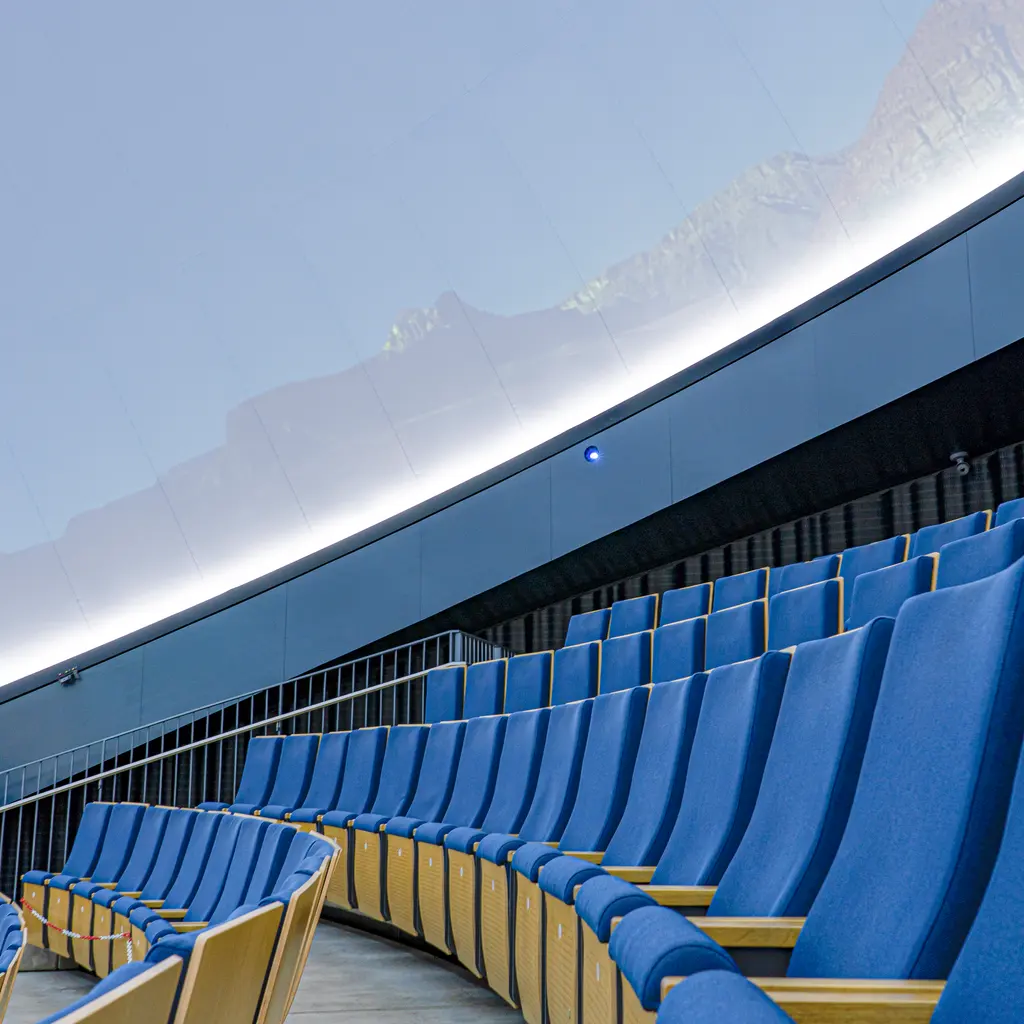
You run scheduled dome shows that rely on complex projectors, sound systems, and playback equipment in a dark environment. A projector failure can halt your programming, while the low-light seating area presents a risk of slips and trips.
Show The Southern Agency which projector, server and sound systems your programs depend on, along with repair lead times and screening records. We can review equipment and earnings protection separately from visitor claims, then check the staffing and ticketing responsibilities if the theater sits within a larger institution.
A single projector, server or audio fault can prevent the theater from running scheduled programs.
Steps, reclining seats and the move into or out of the dark room can lead to a visitor fall.
Fire, water or an electrical event can damage specialized gear with long replacement times.
Large groups arriving for field trips can create crowding and supervision questions.
Technicians and educators can be hurt at work, while ticketing systems may retain visitor information.
Policies to ask about. Which ones fit depends on your operations, your contracts, and the carrier’s forms.
These hypothetical examples are not agency claim results. Whether a loss is covered depends on the facts, policy terms, and applicable exclusions.
Suppose an internal projector failure prevents scheduled screenings while a specialist part is sourced. Equipment breakdown may address an insured repair; lost admissions and extra expense need applicable income terms, including any waiting and restoration periods. A stopped show alone does not establish covered equipment damage.
Suppose a visitor misses a stepped aisle as the audience leaves and alleges inadequate lighting. General liability may address the covered injury allegation after the conditions and the operator's duties are reviewed. The fact that the theater is intentionally dark does not by itself settle fault.
Suppose a power surge damages playback-server hardware. Property and breakdown forms may treat electrical damage differently, and the insured interest should reflect who owns the system. Hardware replacement does not automatically include restoring software, relicensing show content or all missed screening income.
Start with the work you do and the questions your current policies leave unanswered. Carrier options depend on your location, risk, and underwriting. Explore our approach.
Breakdown may pay to repair qualifying failed show machinery; maintenance and gradual wear are different.
Premises liability can address a covered fall on the stepped aisle, based on the circumstances.
Income protection depends on a covered cause and its waiting or restoration period; a temporary technical glitch alone is not necessarily insured.
Specialized equipment values should account for the actual replacement or repair terms, not an assumed market price.
Cyber coverage may help with a qualifying incident involving ticketing records for which you are responsible. Identify what the theater retains and what a ticketing vendor processes; using a vendor does not by itself settle your response duties or the policy's coverage.
BOP suitability depends on the operator and form. Specialized projection equipment and interruption still need explicit review.
Bring your questions, current policies, and relevant contracts. An agent can review coverage terms, exclusions, and the information carriers ask for, then explain the options available to you.