

Interactive displays
Moving or energized exhibits create pinch, impact, and shock allegations.
Try a different word, or check the spelling.
A visitor can be an observer at one demonstration and a hands-on learner at the next. Your injury and educational-service protection need to reflect the actual contact, effects, and supervision involved.
Talk with The Southern Agency about your operation, policy terms, and the information carriers need.
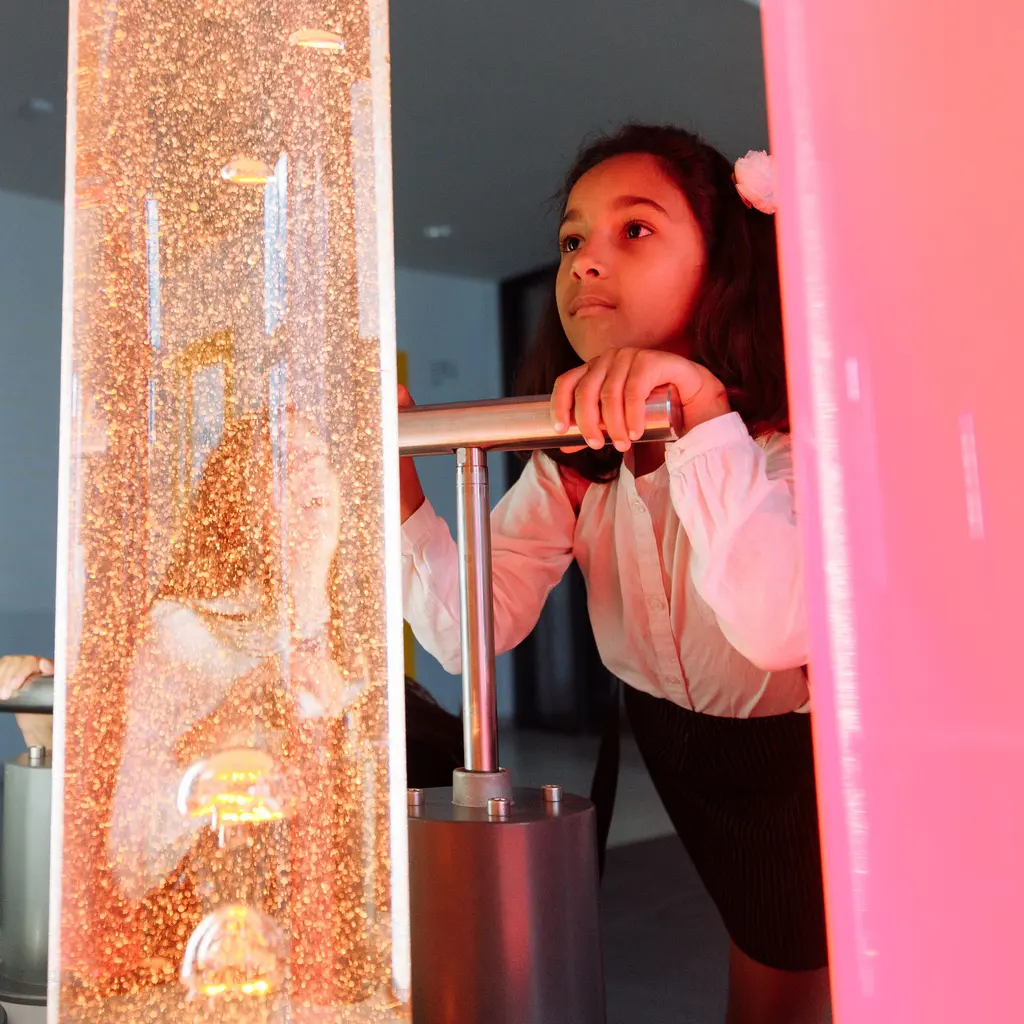
You operate a science center where visitors interact with hands-on exhibits, including live demonstrations or moving displays. An engaging experiment could result in a participant injury, and equipment failure could disrupt your educational programs.
The Southern Agency can help you review what visitors touch, what your presenters demonstrate and who supervises your camps. We can compare liability for those activities with protection for your custom exhibits and the equipment that keeps programs running.
Moving or energized exhibits create pinch, impact, and shock allegations.
Heat, chemicals or electrical effects can harm presenters or spectators.
Camps and school visits introduce instruction and supervision duties.
Custom exhibits and theater technology can be damaged or fail.
Staff, volunteer roles, board decisions, and membership data create separate interests.
Policies to ask about. Which ones fit depends on your operations, your contracts, and the carrier’s forms.
These hypothetical examples are not agency claim results. Whether a loss is covered depends on the facts, policy terms, and applicable exclusions.
A spectator is burned during a heat demonstration and alleges the seating was too close. Liability coverage may address a covered claim if the demonstration is an accepted operation. Review the effect and safety arrangements, not just a museum classification.
A child is injured while using an exhibit during camp, and the family alleges inadequate supervision. Review the actual teaching and supervision duties against general and professional liability terms, including participant ages and the activity.
An internal electrical failure disables the theater projector and scheduled shows are canceled. Equipment breakdown may address an accepted repair; lost admissions and temporary projection costs require their own included interruption terms.
Start with the work you do and the questions your current policies leave unanswered. Carrier options depend on your location, risk, and underwriting. Explore our approach.
Demonstrations need to fall within described operations and liability terms; disclose higher-hazard effects.
Camps may involve distinct supervision and service allegations; review their actual activities and locations.
Property addresses covered damage, while breakdown treats certain internal failures. Both need suitable values.
Chemical storage and use deserve review; ordinary visitor liability should not be assumed to insure pollution.
Boards can face governance claims over programs or finances, separate from injury claims.
Cyber response depends on which visitor or donor records are retained and who is responsible for them.
Bring your questions, current policies, and relevant contracts. An agent can review coverage terms, exclusions, and the information carriers ask for, then explain the options available to you.