

Works on display and in storage
A dropped sculpture, water leak or theft can damage a work that has no simple replacement price.
Try a different word, or check the spelling.
A lender's valuation and loan agreement can follow a work through packing, transit, and installation at your museum. Fine-art protection needs to account for those changing responsibilities, not just the building around the collection.
The Southern Agency can help review collection values, exhibition loans and the work's journey beyond your gallery.
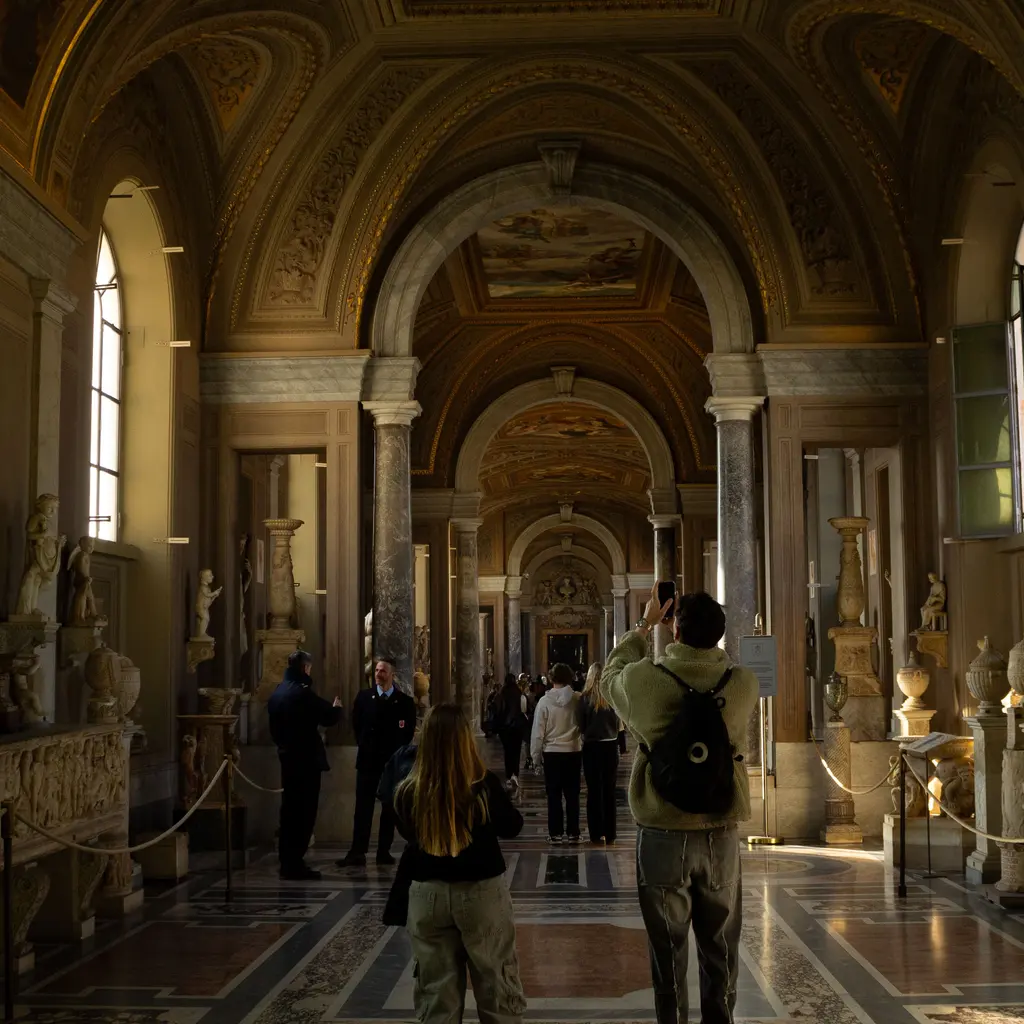
You care for a collection and bring borrowed works into exhibitions where each lender may set different handling and insurance conditions. Damage during packing, a climate-system failure and a visitor's fall involve different people, property and costs.
The Southern Agency can review your collection interests, loan agreements and gallery activities alongside current policies. We can help distinguish fine-art valuation and transit from building repairs, visitor liability and governance or data claims.
A dropped sculpture, water leak or theft can damage a work that has no simple replacement price.
Packing, transit and installation expose borrowed art to damage at moments when lender and museum responsibilities may change.
Humidity or temperature changes can harm paper and other sensitive materials before staff notice a failed system.
Crowded openings, floors and temporary displays can lead to injuries in spaces open to visitors.
Admission cash, donor information and board decisions create different theft, cyber, and leadership exposures.
Policies to ask about. Which ones fit depends on your operations, your contracts, and the carrier’s forms.
These hypothetical examples are not agency claim results. Whether a loss is covered depends on the facts, policy terms, and applicable exclusions.
A borrowed painting is torn while being packed for return. Fine-art terms may help pay covered damage to an included borrowed work, with its valuation, packing duties and return handoff checked. A lender's loan agreement or appraisal does not itself establish the insured amount or cover every stage of movement.
A visitor slips on a wet gallery floor. Premises liability may help with a covered injury claim after the circumstances are reviewed.
A failed climate system lets humidity rise overnight and damages works on paper. Damage to the works must fit the fine-art grant and any temperature or humidity exclusions or exceptions; it is not established by insuring the building or repairing the machine. Compare valuation and conservation costs with the actual form. Machinery repair and interrupted exhibitions need their separate applicable terms.
Start with the work you do and the questions your current policies leave unanswered. Carrier options depend on your location, risk, and underwriting. Explore our approach.
The fine-art form may use agreed values or another valuation basis. Check schedules and appraisals against its actual wording rather than assuming the sale price is payable.
A loan agreement may require protection from collection through return. Confirm the borrower/lender interests, dates, locations, and transit terms on the purchased form.
Specialist fine-art or inland-marine wording can follow a work during covered shipping and at temporary sites; packing and carrier conditions still matter.
A board may face allegations about finance or stewardship. D&O can help with covered defense or liability arising from governance decisions.
Premises liability may respond to visitor injuries during openings. If alcohol is served, identify who serves it and check the relevant liquor terms.
An equipment failure and damage to a work are different losses. Inspect the breakdown and fine-art/property wording for the cause and interest involved.
Bring your questions, current policies, and relevant contracts. An agent can review coverage terms, exclusions, and the information carriers ask for, then explain the options available to you.