

Collections and archives
Fire, water, pests or handling can damage documents, textiles and objects.
Try a different word, or check the spelling.
Your research visitors may handle originals rather than view them behind glass. Collection protection needs to fit that access and temporary loans, not just theft or damage to the archive building.
Review collection values and conservation needs with reading-room access, loan stages and storage locations in view.
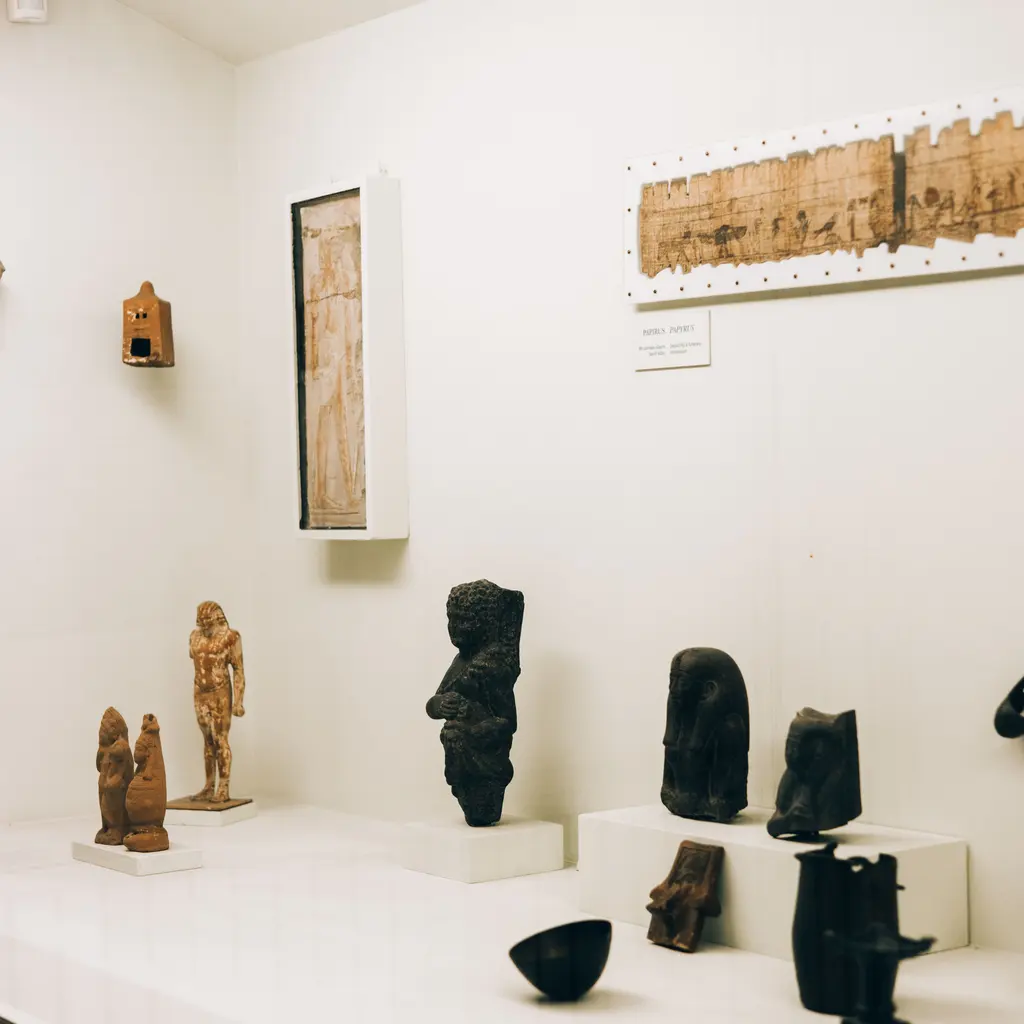
You curate and preserve unique artifacts, documents, and photographs that you make available to the public through exhibits or specialized research rooms. An accidental water leak in an archive could irreparably damage materials that exist nowhere else.
Talk with The Southern Agency about what you hold, where researchers handle originals and how loans move between institutions. We can compare collection terms with building insurance, then review admissions funds, donor records and staff responsibilities as separate interests rather than assume one museum policy treats them alike.
Fire, water, pests or handling can damage documents, textiles and objects.
Visitors and researchers working directly with originals create handling and security risks.
Packing, transit and temporary display expose artifacts belonging to the museum or another institution.
A failed system can gradually damage paper and textiles; machinery repair and item loss are different claims.
Tour injuries, admissions receipts and donor information create separate liability, crime and cyber interests.
Policies to ask about. Which ones fit depends on your operations, your contracts, and the carrier’s forms.
These hypothetical examples are not agency claim results. Whether a loss is covered depends on the facts, policy terms, and applicable exclusions.
Suppose a burst pipe wets original documents in archival storage. The collection form may address covered conservation work or item loss according to its valuation terms, while building repairs fall under a different property interest. Document the affected holdings and conservation estimates; irreplaceability alone does not establish the amount payable.
Suppose a researcher accidentally tears an original record in the reading room. Check whether collection terms include that handling loss and location, then document the damage and proposed conservation work. A visitor liability policy is not a substitute for direct protection of the museum's own document.
Suppose staff discover that a small artifact is missing after a public exhibit closes. Establish the inventory, access and disappearance circumstances before treating it as theft. Collection theft or unexplained-disappearance terms, security conditions and proof requirements matter; crime coverage on admissions cash does not itself insure the object.
Start with the work you do and the questions your current policies leave unanswered. Carrier options depend on your location, risk, and underwriting. Explore our approach.
A specialist collection or inland-marine form can use agreed or other documented values; inspect the actual schedule and treatment of archives.
Loaned artifacts can be included if interests, dates, locations, and transport stages match the policy.
Handling damage depends on the cause and relevant collection form; record the research-room procedures.
Crime cover for stolen receipts does not automatically cover stolen objects. Compare collection theft terms and security conditions.
Cyber may help with breach response for donor and visitor data actually retained by the museum.
Board decisions can generate governance allegations; D&O addresses those where covered and remains separate from property protection.
Bring your questions, current policies, and relevant contracts. An agent can review coverage terms, exclusions, and the information carriers ask for, then explain the options available to you.