

Severe employee injuries
Stunning equipment, saws, knives, and conveyors in wet, cold conditions create laceration, amputation, and repetitive-strain injury exposure.
Try a different word, or check the spelling.
Your processing line produces meat and byproducts that leave through different routes. Product liability and pollution protection need to fit those outputs, separately from rejected stock or the cost of repairing the line.
The Southern Agency can help you manage your high-throughput processing exposures.
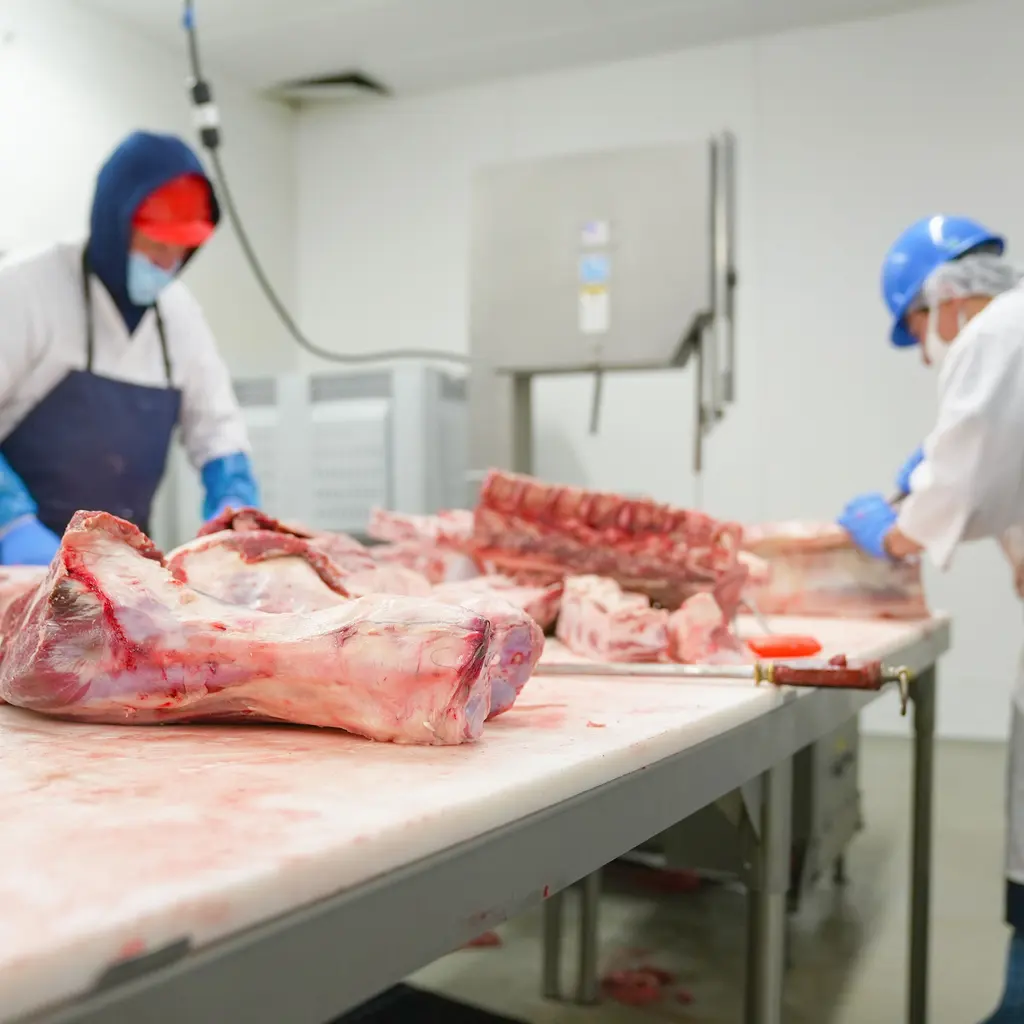
You operate industrial-scale slaughter and disassembly lines, working with biological materials and powerful machinery in specialized environments. Contamination events, equipment failure or worker injury can disrupt this high-throughput processing.
The Southern Agency can review your processing and sanitation requirements to help select appropriate insurance, such as coordinating product liability for food safety with environmental coverage for byproduct handling.
Stunning equipment, saws, knives, and conveyors in wet, cold conditions create laceration, amputation, and repetitive-strain injury exposure.
Pathogen contamination of processed meat can trigger large recalls and product liability claims across many downstream customers.
Ammonia-based refrigeration and chemical handling create pollution and release risks that can harm workers and the surrounding area.
Blood, offal, and wastewater handling create environmental exposure subject to regulatory enforcement and cleanup obligations.
Failure of refrigeration or processing lines can halt production, spoil inventory, and interrupt revenue at an industrial plant.
Handling live animals and raw product exposes workers to biological hazards and disease transmission concerns.
USDA or state inspection and sanitation requirements mean violations can lead to shutdowns, penalties, and liability.
Policies to ask about. Which ones fit depends on your operations, your contracts, and the carrier’s forms.
These hypothetical examples are not agency claim results. Whether a loss is covered depends on the facts, policy terms, and applicable exclusions.
A worker suffers a serious laceration on a processing line. Workers' compensation may respond to medical costs and lost wages, depending on policy terms and jurisdiction. Review employer/worker status, state arrangements, and occupational disease terms; the severity of a cut does not decide eligibility.
Shipped product is found to be contaminated and a recall is issued. A policy may respond to product liability and recall-related claims, subject to the specific policy, endorsements, and facts. Covered injury liability and withdrawal/retrieval/destruction expenses are separate; a recall alone does not establish products-liability damages.
A refrigeration system leaks ammonia, prompting evacuation and cleanup. Environmental liability coverage may respond to pollution costs, depending on policy terms and exclusions. Check accepted ammonia/location, release, and cleanup/reporting triggers; regulatory fines and all shutdown costs are not automatically payable.
Start with the work you do and the questions your current policies leave unanswered. Carrier options depend on your location, risk, and underwriting. Explore our approach.
Compare workers' compensation, product liability, property, environmental, equipment breakdown, and general liability for the actual slaughter operation. The mix depends on processes and scale, subject to underwriting.
Saws, knives, and repetitive line work create laceration and strain exposure for slaughter and disassembly crews. Workers' compensation may respond to those injuries, subject to policy terms and jurisdiction.
Bring species, product distribution, and lot records to the recall review. Products liability concerns covered harm to others. Withdrawal and first-party contamination/recall costs need a specifically eligible event, products and purchased expenses; ordinary spoilage, rework or a quality rejection is not automatic cover.
Often yes. Ammonia refrigeration, wastewater, and byproducts create pollution exposure, so environmental liability is commonly considered, depending on operations and underwriting.
Equipment breakdown and business income coverage may respond when a covered failure halts production, depending on policy terms and exclusions.
It can. Compliance with USDA or state inspection and sanitation standards influences underwriting and risk, and violations can create liability, depending on the circumstances.
Bring your questions, current policies, and relevant contracts. An agent can review coverage terms, exclusions, and the information carriers ask for, then explain the options available to you.