Skip to content

Meat Market Insurance

The fresh cut, ground product or smoked meat you sell can involve different processing duties at your counter. Your coverage should fit the work actually done, with customer-product claims kept distinct from butcher injuries and equipment repairs.

The Southern Agency can help you compare your actual processing and meat custody with distinct product, cooling and worker-injury protection.

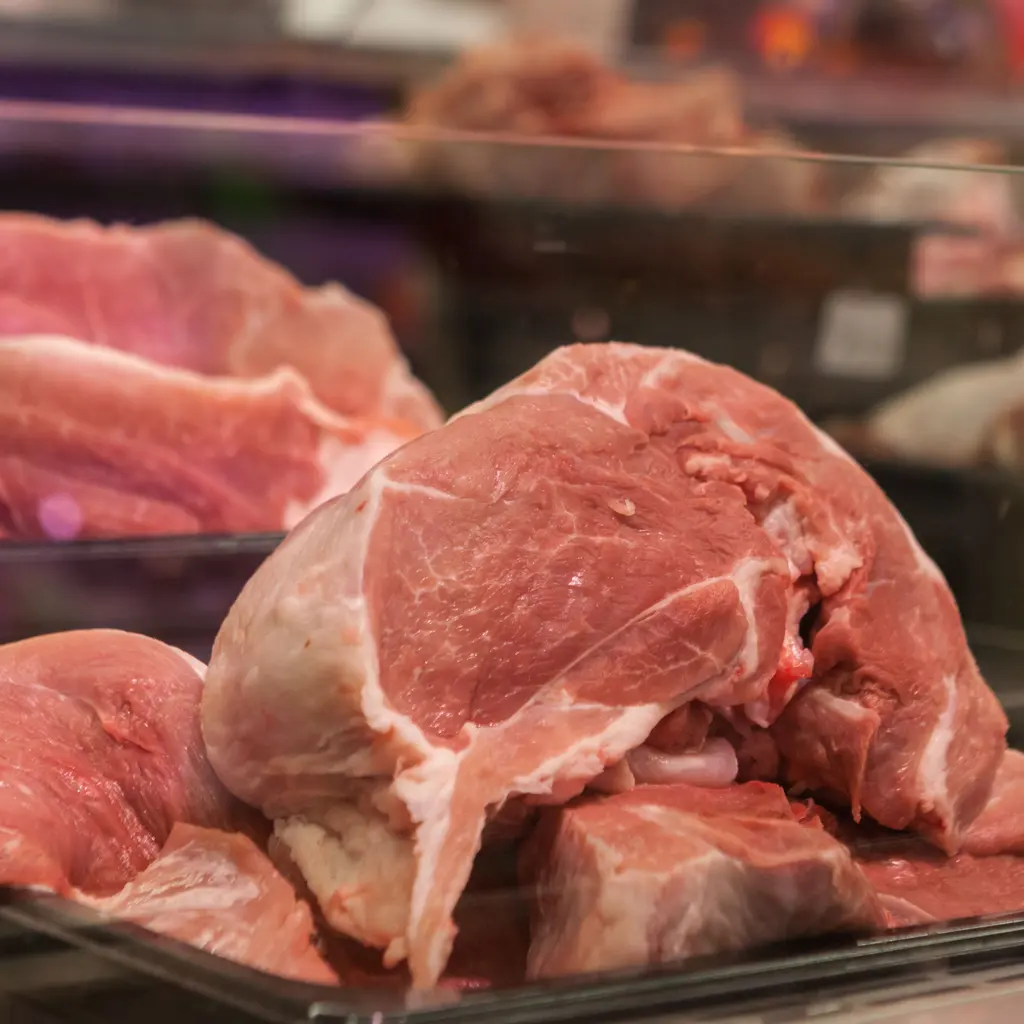
Raw cuts of meat arranged behind a butcher counter's glass display.

Industry overview

You manage a retail meat market that processes raw protein and maintains a strict cold chain, presenting risks of both foodborne illness and severe equipment injury. A freezer failure or a staff member’s accident on a band saw can immediately threaten your inventory and store operations.

The Southern Agency can review your actual cutting, grinding and smoking work, including any customer-owned meat. We can compare property and product liability with separately selected cooling, stock and employee benefits rather than assume a package covers every loss.

Risks worth discussing

Meat contamination and foodborne illness

Raw and processed meats can carry pathogens. Handling, cross-contact, storage or unclear preparation instructions can lead to illness allegations and questions about which supplied or ground lots reached customers.

Product recall exposure

Ground and processed meats sold to many customers can trigger recalls that disrupt operations and create liability.

Cold-chain and spoilage loss

Walk-in coolers and freezers are essential, and a refrigeration failure can spoil large quantities of perishable meat quickly.

Cutting and equipment injuries

Band saws, grinders and slicers expose butchers to lacerations and amputations, while smokers and ovens add burn risk.

Customer injuries on premises

Wet or greasy floors near the counter and cooler cases create slip-and-fall exposure for shoppers.

Equipment breakdown downtime

Failure of saws, grinders, or refrigeration can halt processing and sales until specialized equipment is repaired or replaced.

Situations to think through

These hypothetical examples are not agency claim results. Whether a loss is covered depends on the facts, policy terms, and applicable exclusions.

  1. Hypothetical: Hypothetical: ground meat illness claim

    A customer reports illness traced to ground meat purchased from the shop. A policy may respond to product liability claims, depending on the specific policy, endorsements, and the facts involved. Check accepted process, causation, and injury terms; pulling other meat and refunds need separate recall terms.

  2. Hypothetical: Hypothetical: band saw laceration

    An employee suffers a serious cut while operating a band saw. Workers' compensation may respond to medical costs and lost wages, depending on policy terms and jurisdiction. Review employment/jurisdiction and benefit terms; customer/helper status is not assumed.

  3. Hypothetical: Hypothetical: freezer failure spoils inventory

    A freezer compressor fails and a large stock of meat thaws beyond safe limits. Equipment breakdown coverage may help with spoiled inventory and repairs, subject to the specific policy and exclusions. Confirm covered cooling/utility cause and stock limits; thawed meat alone does not establish eligibility.

Before you talk to an agent

What to have ready

Tick items as you gather them. Nothing here is saved or sent.

Questions to raise

  • List cutting, grinding, curing, smoking and customer-owned custom work. Compare accepted product activities and custody separately from consumer refunds or every quality complaint.
  • Value peak cooler/freezer stock by owner and location. Compare actual cooling/utility causes and customer-property terms; spoiled meat or a building limit alone does not establish payment.
  • Describe saw, grinder and slicer work, actual employees and guarding/maintenance. Compare employment and work-state benefits separately from customer injury and machine repair.
  • Estimate cooling/equipment replacement, alternate storage and restart time after covered damage. Compare selected income and extra expense separately from replacing meat or ordinary missed sales.
  • Trace supplier and grinding lots, labels and customer pickup destinations. Compare covered harm with a purchased recall's actual event and expenses before promising withdrawal or replacement reimbursement.

Contract terms to check

  • Define customer meat ownership, inspection/processing arrangements, and pickup/storage duties.
  • Review product withdrawal, quality refunds and supplier returns separately from covered harm and purchased stock protection.

What the agent conversation looks like

Start with the work you do and the questions your current policies leave unanswered. Carrier options depend on your location, risk, and underwriting. Explore our approach.

  1. ListenReview your operations, current coverage, and past claims.
  2. AssessIdentify potential hazards and discuss ways to reduce risk.
  3. BuildDiscuss policy and carrier options, premium costs, and audits.
  4. SupportReview changes and help you plan ahead as your needs develop.

Questions owners ask

What insurance does a meat market typically need?

Compare property, general liability, product liability, equipment breakdown, and workers' compensation. The right mix depends on how much processing you do, subject to underwriting.

Why is product liability important for a butcher shop?

Because you handle and process raw meat, contamination or illness claims are a real exposure. Product liability may respond to such claims, subject to policy terms and the facts.

Does insurance cover spoiled meat after a power loss?

Equipment breakdown or spoilage coverage may help when refrigeration fails, depending on policy terms. Limits should reflect the value of meat held in your coolers and freezers.

Are cutting-equipment injuries covered?

Workers' compensation commonly responds to employee injuries from saws and grinders, subject to policy terms and jurisdiction. Strong machine guarding can help manage this exposure.

What if I have to recall a processed product?

Use supplier and grinding/processing lot records, including any customer-owned meat. Products liability concerns covered harm to others, not automatically withdrawal. Recall/contamination cover needs an eligible event, insured product and purchased expenses; quality rejection, refunds, rework and routine spoilage are not automatic cover.

Does smoking or curing meat change my coverage?

It can. Smokers and curing add fire, burn, and food-safety exposures that may affect terms, so the program should reflect those processes, depending on underwriting.

Talk through your meat market coverage

Bring your questions, current policies, and relevant contracts. An agent can review coverage terms, exclusions, and the information carriers ask for, then explain the options available to you.

How can we help you get started?

Choose the quote that fits, and we’ll take it from there.

Have a question? Contact us