

Oven and bakery fire
Ovens, proofers, and fryers generate heat and grease, and combined with flour and sugar dust they create fire exposure in production areas.
Try a different word, or check the spelling.
Your staff can move from hot baking work to frozen packing within the same shift. Injury arrangements and property protection need to reflect both environments, separately from liability for ingredients or fragments in finished pastry.
The Southern Agency can help you structure a program that addresses both the high-heat fire risks of baking and the cold-chain risks of frozen storage.
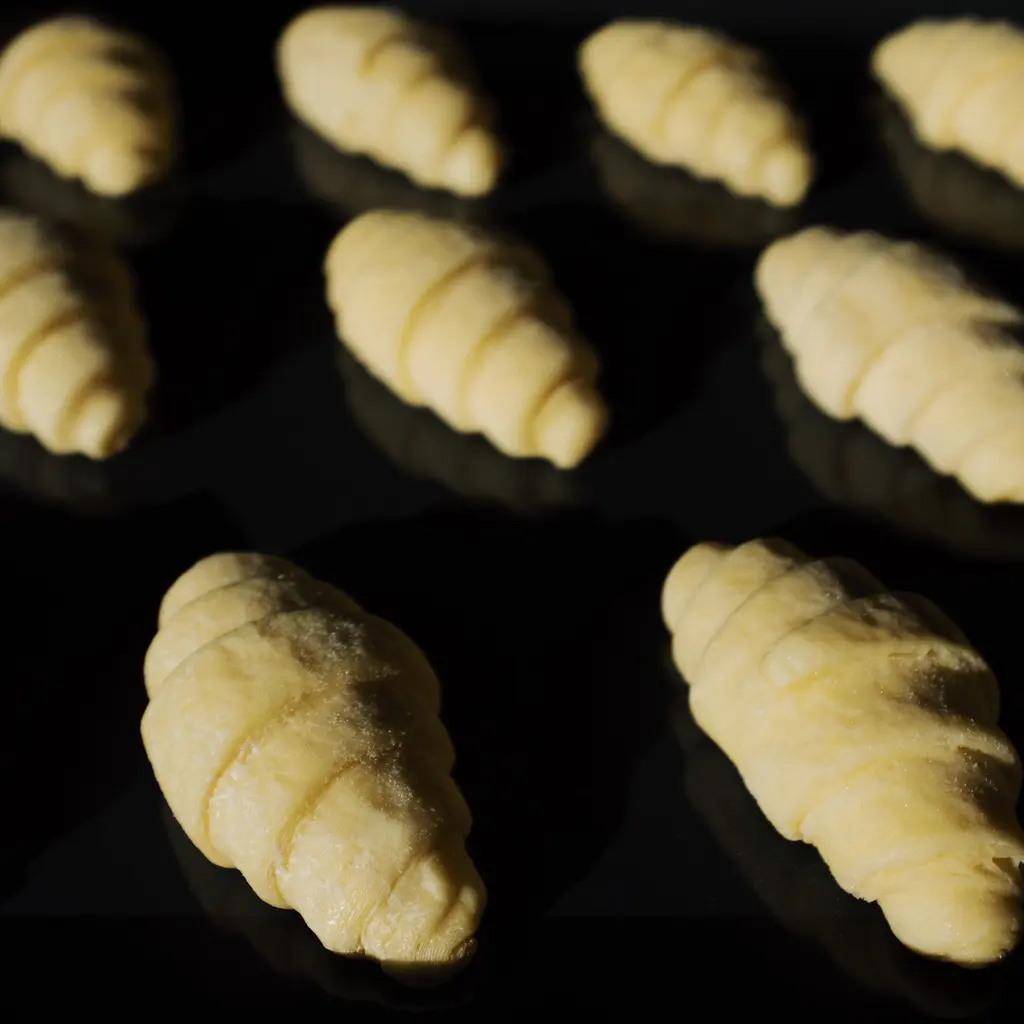
You produce frozen doughs or pastries, with mixing, lamination, filling and freezing matched to the formats you sell. If you par-bake or fully bake before freezing, oven fire adds to the cold-storage exposure. A failed freezer or interrupted line can threaten several batches, while labels and customer baking instructions carry different product responsibilities.
The Southern Agency can help you review your combined heat and cold exposures to choose appropriate insurance, such as a package policy to coordinate coverage for your ovens, blast freezers, and ingredient inventory.
Ovens, proofers, and fryers generate heat and grease, and combined with flour and sugar dust they create fire exposure in production areas.
Butter, wheat, dairy, egg, and nut ingredients make undeclared allergens or cross-contact a leading recall and illness-claim trigger.
Blast freezers and frozen storage hold substantial finished pastry, and a refrigeration failure can spoil large quantities quickly.
Sheeting and laminating lines, ovens, and freezers are costly and interdependent, so a breakdown can halt production across the plant.
Worn sheeters, cutters, or packaging equipment can introduce metal or plastic into pastry, prompting recalls and product-liability claims.
Employees face oven burns, freezer cold stress, and machinery exposure moving between hot baking and cold packing operations.
Policies to ask about. Which ones fit depends on your operations, your contracts, and the carrier’s forms.
These hypothetical examples are not agency claim results. Whether a loss is covered depends on the facts, policy terms, and applicable exclusions.
Grease and crumb buildup ignites in an oven and damages the bake line. Property and business income coverage may help with repairs and lost output, depending on policy terms and exclusions. Check covered fire/protective controls and purchased income/restoration terms.
Danish pastries containing tree nut are packed in cartons labeled nut-free and distributed to grocery stores. A purchased recall form may help with eligible withdrawal expenses if the pastry and label event meet its trigger. Product liability concerns a separate covered illness claim; the packaging error does not establish injury or payment for every replacement carton.
A freezer compressor fails overnight, spoiling finished pastry inventory. Equipment breakdown coverage may respond to repair and spoilage costs, depending on policy terms. Confirm covered compressor event, stock, and utility terms/values; thaw/rejection alone is not enough.
Start with the work you do and the questions your current policies leave unanswered. Carrier options depend on your location, risk, and underwriting. Explore our approach.
Frozen storage and shipment create spoilage and temperature questions beyond ordinary dry baked stock. Describe raw, par-baked and fully baked formats, whether you operate ovens, and who completes baking. Review the actual fire, freezer, spoilage and transit terms rather than assume every frozen pastry plant bakes before dispatch.
Butter, wheat, egg, dairy, and nut ingredients make allergens a leading recall trigger. Strong labeling controls support underwriting, and product liability may respond to claims, subject to policy terms and exclusions.
Equipment breakdown coverage may respond when ovens, laminating lines, or freezers fail, helping with repair and spoiled product, depending on policy terms and underwriting.
Business income may respond when a covered event halts production, helping with lost revenue, depending on the specific policy, waiting period, and exclusions.
Retailers and food-service distributors often require product liability and indemnity. We can help align limits with those contracts, though availability depends on underwriting.
Staff move between hot ovens and cold freezers, facing burns, cold stress, and machinery injuries. Workers' compensation is commonly required and often legally mandated, subject to state rules.
Bring your questions, current policies, and relevant contracts. An agent can review coverage terms, exclusions, and the information carriers ask for, then explain the options available to you.