

Oven and grease fires
Hot ovens, proofers, and fryers create fire risk, and grease accumulation on fried-product lines can ignite and spread through the bakery.
Try a different word, or check the spelling.
Fresh product still needs to reach the route truck after your production line finishes its part. Breakdown, cargo and stock terms need to reflect the short shelf life without assuming every delivery delay or rejected order is covered.
The Southern Agency can help you coordinate property, product, and auto protection for your high-volume baking and distribution operations.
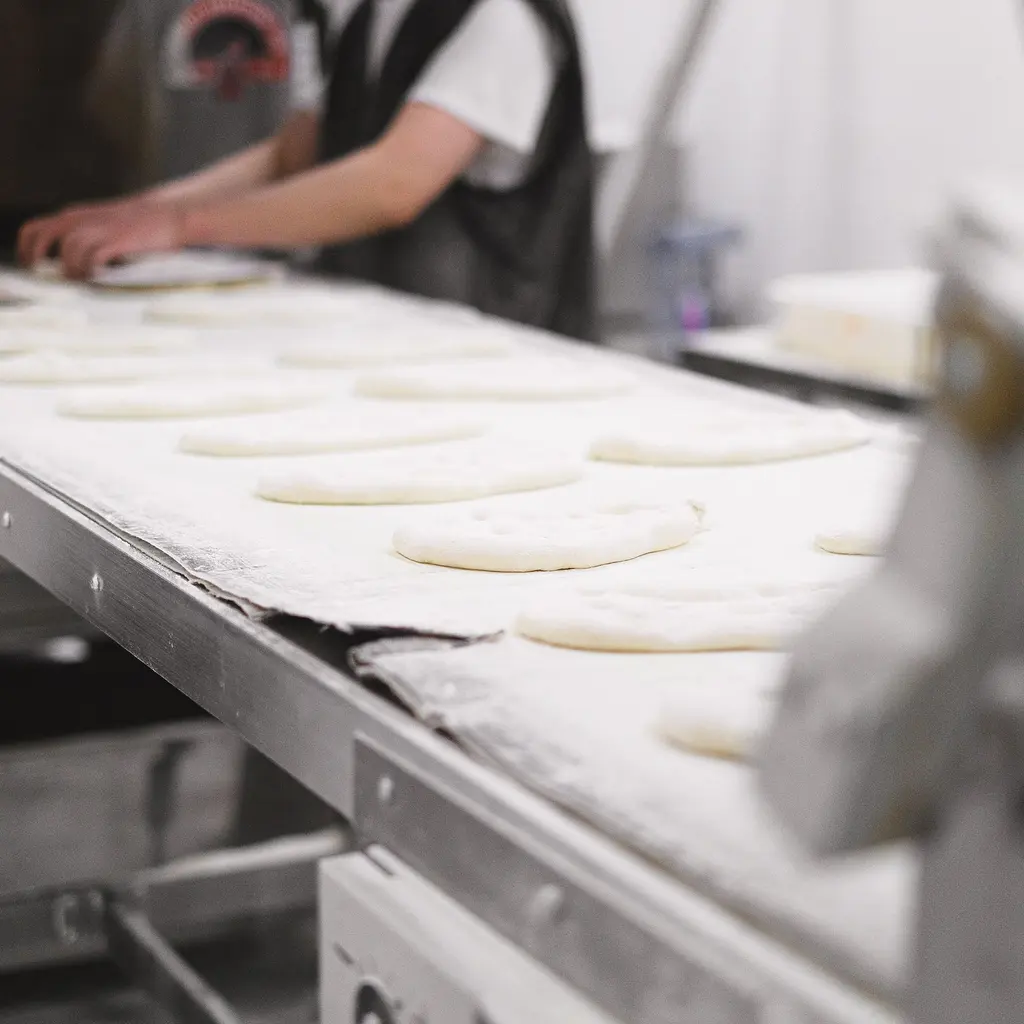
You manage continuous production lines, but hot ovens, combustible flour dust and complex allergen-heavy recipes create significant fire and recall risks. A breakdown of your mixing or baking equipment can halt your lines and prevent the timely delivery of your perishable goods.
The Southern Agency can help you review your production, delivery fleet, and allergen management to select appropriate insurance, such as equipment breakdown for your tunnel ovens or product liability for your baked goods.
Hot ovens, proofers, and fryers create fire risk, and grease accumulation on fried-product lines can ignite and spread through the bakery.
Airborne flour during mixing and conveying is a combustible dust that can deflagrate without proper housekeeping and dust-collection controls.
Wheat, egg, milk, soy, and nut ingredients create cross-contact and labeling exposure that can trigger recalls across many retail accounts.
Mixers, dividers, proofers, and tunnel ovens are central to output, and a failure can stop a continuous line and spoil dough in process.
Self-operated route trucks delivering fresh product create auto liability and cargo risk on the road and at customer docks.
Hot surfaces, mixers, dough handling, and repetitive packaging tasks expose staff to burns, strains, and machinery injuries.
Short shelf life means refrigeration loss, line downtime, or delivery delays can spoil product and disrupt accounts.
Policies to ask about. Which ones fit depends on your operations, your contracts, and the carrier’s forms.
These hypothetical examples are not agency claim results. Whether a loss is covered depends on the facts, policy terms, and applicable exclusions.
A fire starts at a tunnel oven and damages the line and surrounding area. Commercial property coverage may help with repairs and resulting lost income, depending on policy terms and the facts. Check covered fire and purchased income/restoration terms; buyer penalties are not automatic benefits.
Cross-contact introduces an undeclared allergen into a product run that ships to grocers. Product and recall-related coverage may respond to withdrawal and injury costs, subject to the specific policy. Separate eligible withdrawal expenses from covered injury and own-product replacement.
A route truck is involved in a collision while delivering fresh bread. Business auto coverage may respond to liability and vehicle damage, depending on policy terms and the circumstances. Review driver/vehicle and purchased physical damage; carried bread and late delivery charges need separate terms.
Start with the work you do and the questions your current policies leave unanswered. Carrier options depend on your location, risk, and underwriting. Explore our approach.
Wholesale bakeries commonly combine commercial property, product liability, equipment breakdown, business auto, general liability, and workers' compensation. The right mix depends on volume and delivery, subject to underwriting.
Yes, self-operated route trucks need business auto for liability and physical damage. Cargo exposure may also apply, and coverage depends on the specific policy and fleet.
Trace shared allergens across every private label and delivered lot. Products liability concerns covered harm to others, not automatically withdrawal. Recall/contamination cover needs an eligible event, insured product and purchased expenses; quality rejection, refunds, rework and routine spoilage are not automatic cover.
Combustible flour dust is a key concern. Property coverage may respond to a covered fire, subject to policy terms, housekeeping, and dust-collection controls.
Equipment breakdown may help with repairs and lost income when ovens or mixers fail. Spoilage of dough in process may also be addressed, depending on policy terms and exclusions.
Grocery and foodservice buyers often require liability limits and additional insured status. We can help structure a program to meet those terms, though availability depends on underwriting.
Bring your questions, current policies, and relevant contracts. An agent can review coverage terms, exclusions, and the information carriers ask for, then explain the options available to you.