

Multi-ingredient recall complexity
Recipes combine components from many suppliers, so one contaminated or mislabeled ingredient can taint finished meals and force broad recalls.
Try a different word, or check the spelling.
Your finished meal can contain components from several suppliers, but customers still buy the assembled product from you. Product protection needs to fit that responsibility, with supplier-related recall and replacement expenses considered separately.
The Southern Agency can help you address the complex recall and refrigeration risks inherent in multi-ingredient frozen meal production.
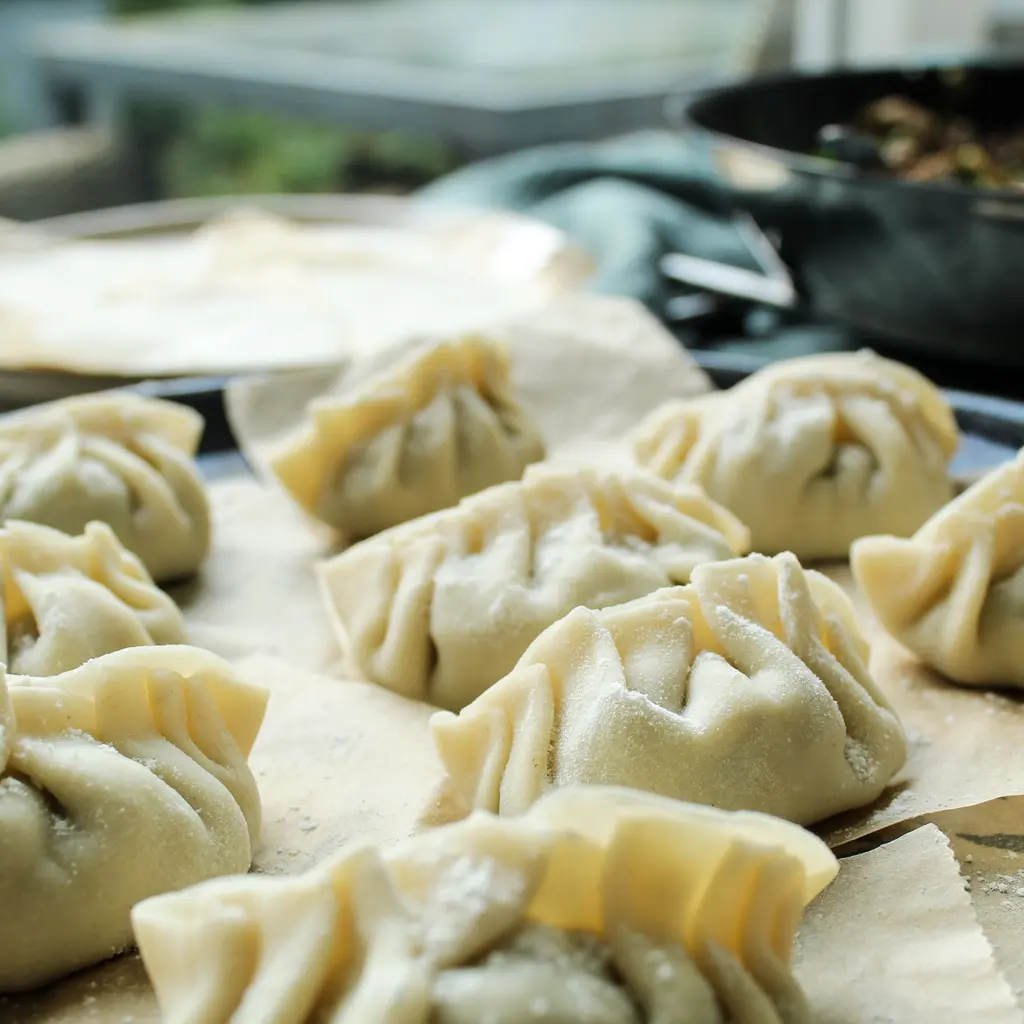
You produce complex, multi-ingredient frozen meals that must remain cold from assembly to delivery. A single mislabeled ingredient or a freezer failure can lead to expensive recalls and major inventory losses.
The Southern Agency can help you review your supply chain and traceability protocols to choose appropriate insurance, such as specific coverage for recall and contamination exposures.
Recipes combine components from many suppliers, so one contaminated or mislabeled ingredient can taint finished meals and force broad recalls.
Complex meals frequently contain dairy, wheat, soy, egg, or nut allergens that, if undeclared or cross-contacted, can drive recalls and illness claims.
A pathogen or foreign material introduced by an ingredient supplier can make the manufacturer liable for finished product it assembled.
Blast freezers and frozen storage hold high-value finished meals, and a refrigeration failure can spoil large quantities of product.
Cooking kettles, freezers, assembly lines, and packaging machinery are interdependent, so a breakdown can halt the entire production line.
Employees face burns at cooking stations, cold stress at the freezer, and machinery exposure across assembly and packing operations.
Policies to ask about. Which ones fit depends on your operations, your contracts, and the carrier’s forms.
These hypothetical examples are not agency claim results. Whether a loss is covered depends on the facts, policy terms, and applicable exclusions.
A supplier recalls a vegetable ingredient already used in finished entrees, prompting a meal withdrawal. Purchased recall protection may help with eligible tracing, notification or retrieval expenses if the event and finished meals fit its terms. Any consumer illness allegations need separate product-liability review; a supplier notice does not settle your liability or reimburse every meal.
A sauce containing soy goes into meals labeled soy-free. The maker withdraws the meals before any reported injury. Recall terms may address eligible response expenses under their trigger; ordinary product liability does not establish payment for withdrawal, replacement meals or buyer penalties merely because an allergen error occurred.
A plate freezer fails during a run, spoiling finished meals. Equipment breakdown and business income coverage may respond to spoilage and downtime, depending on policy terms. Review covered equipment event and stock/income terms; food discarded for process deviation alone is not automatic cover.
Start with the work you do and the questions your current policies leave unanswered. Carrier options depend on your location, risk, and underwriting. Explore our approach.
Many suppliers and components widen recall scope and traceability challenges. Product liability and recall-related coverage may respond to resulting claims, depending on the specific policy and facts.
You can face allegations involving supplied ingredients, but liability depends on facts, law, and contracts. Declare suppliers/components and compare product injury claims with separate recall, own-product and contractual exclusions.
Complex recipes can contain multiple allergens, and mislabeling can trigger recalls. Strong labeling controls support underwriting, and product liability may respond, subject to policy terms and exclusions.
Equipment breakdown coverage may respond when kettles, freezers, or packaging lines fail, helping with repair and spoiled meals, depending on policy terms and underwriting.
Compare accepted products and underlying liability terms; a liability umbrella does not automatically add first-party meal recall/contamination funds.
Yes. Large retailers and club channels frequently require product liability limits and indemnity. We can help align coverage with those contracts, though availability depends on underwriting.
Bring your questions, current policies, and relevant contracts. An agent can review coverage terms, exclusions, and the information carriers ask for, then explain the options available to you.