

Rapid seafood spoilage
Fish and shellfish perish quickly, so any break in the cold chain or refrigeration failure can ruin inventory within hours.
Try a different word, or check the spelling.
Your counter may turn a whole fish or shellfish order into fillets, portions or shucked product. Food liability and staff-injury protection need to fit that handling, separately from the ice system and perishable stock.
The Southern Agency can help you coordinate inventory protection, product liability, and equipment coverage for your seafood market.
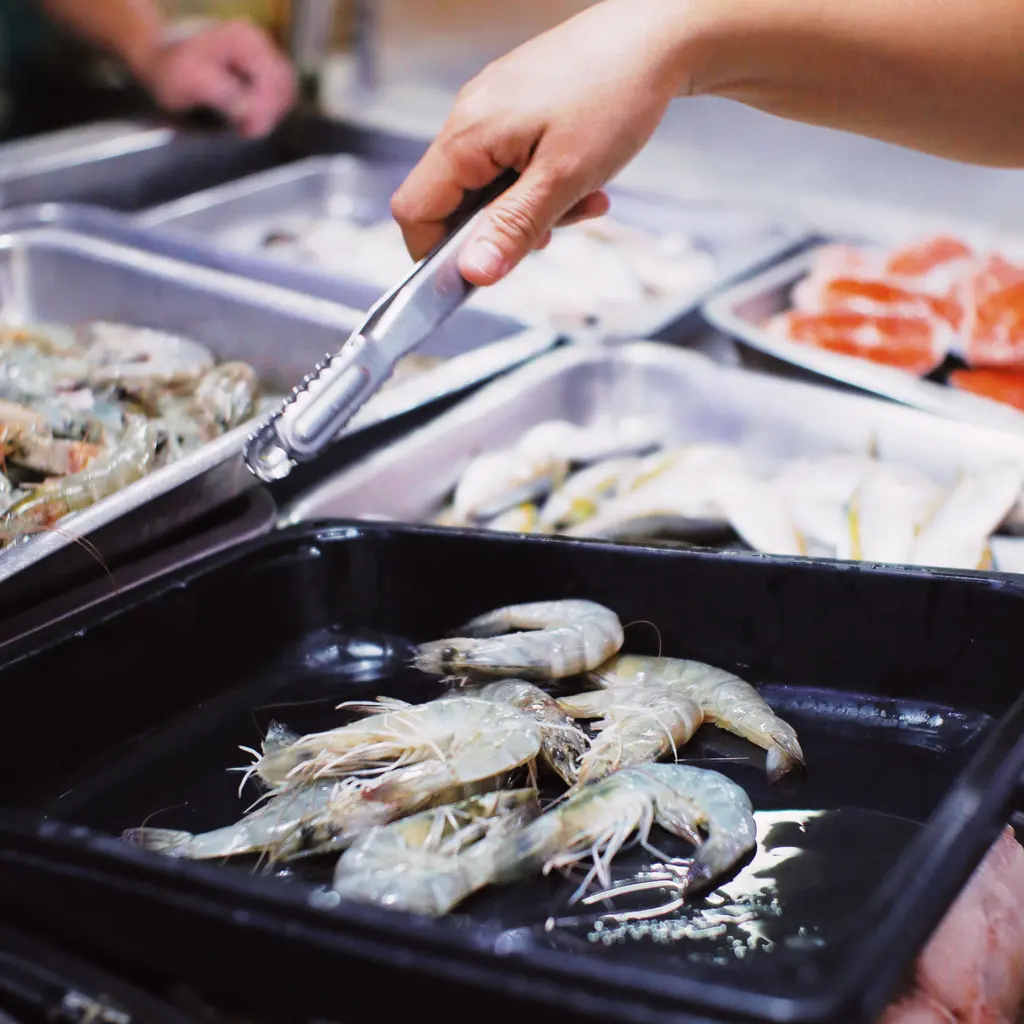
Your seafood market handles highly perishable inventory that requires constant temperature control. A brief lapse in refrigeration or improper handling can lead to spoilage, bacterial contamination or injury claims.
The Southern Agency can review your storage, processing, and retail practices to help you select appropriate insurance. We can discuss how to protect your inventory from spoilage while managing liability for counter-based processing activities.
Fish and shellfish perish quickly, so any break in the cold chain or refrigeration failure can ruin inventory within hours.
Improperly handled seafood can cause scombroid, shellfish-borne illness, or bacterial contamination, exposing the market to claims.
Shellfish and finfish are major allergens, and cross-contact or labeling errors can lead to serious reactions and liability.
Seafood sourced from multiple harvesters and distributors can be subject to recalls that disrupt inventory and trigger liability.
Filleting, shucking, and portioning seafood with sharp knives exposes staff to laceration injuries.
Melting display ice and water around prep areas create slick floors and trip hazards for customers and employees.
Policies to ask about. Which ones fit depends on your operations, your contracts, and the carrier’s forms.
These hypothetical examples are not agency claim results. Whether a loss is covered depends on the facts, policy terms, and applicable exclusions.
A cooler fails overnight and the display and back-stock seafood spoil before opening. Equipment breakdown coverage may help with spoiled inventory and repairs, depending on policy terms and exclusions. Confirm covered cooling/utility cause, stock value and inclusion; natural spoilage or inadequate ice is different.
A customer reports illness traced to shellfish bought at the market. A policy may respond to product liability claims, subject to the specific policy, endorsements, and the facts involved. Review accepted species/service, causation and terms; supplier withdrawal/refund needs separate recall analysis.
A shopper slips on water from a melting ice display and is injured. General liability coverage may respond to medical and liability costs, depending on policy terms. Check actual display/cleanup responsibility and injury facts; melting ice alone does not establish liability.
Start with the work you do and the questions your current policies leave unanswered. Carrier options depend on your location, risk, and underwriting. Explore our approach.
Compare property, general liability, product liability, and equipment breakdown or spoilage coverage, plus workers' compensation. The mix depends on operations, subject to underwriting.
Equipment breakdown or spoilage coverage may help when refrigeration fails, depending on policy terms. Given how fast seafood perishes, limits should reflect peak inventory values.
Shellfish and fish are major allergens, so allergen-related illness can be a real exposure. Product liability may respond to such claims, subject to policy terms and the facts.
It depends. Selling whole seafood still carries some exposure, and filleting or shucking increases it, so product liability is often considered, subject to policy terms.
Use source/species and applicable shellfish lot/tag records, not only the delivery date. Products liability concerns covered harm to others, not automatically withdrawal. Recall/contamination cover needs an eligible event, insured product and purchased expenses; quality rejection, refunds, rework and routine spoilage are not automatic cover.
Workers' compensation commonly responds to employee laceration injuries from filleting and shucking, subject to policy terms and jurisdiction.
Bring your questions, current policies, and relevant contracts. An agent can review coverage terms, exclusions, and the information carriers ask for, then explain the options available to you.