

Refrigeration failure and spoilage
A cooler or freezer breakdown can spoil large quantities of high-value seafood within hours when the cold chain is interrupted.
Try a different word, or check the spelling.
Your retail and export buyers may set specifications that go beyond replacing damaged seafood. Stock and product terms need to distinguish temperature loss, histamine-related allegations, and contractual rejection rather than treat them as one claim.
The Southern Agency can help you align cold-chain protection, contamination risks, and equipment coverage with your packaging plant's needs.
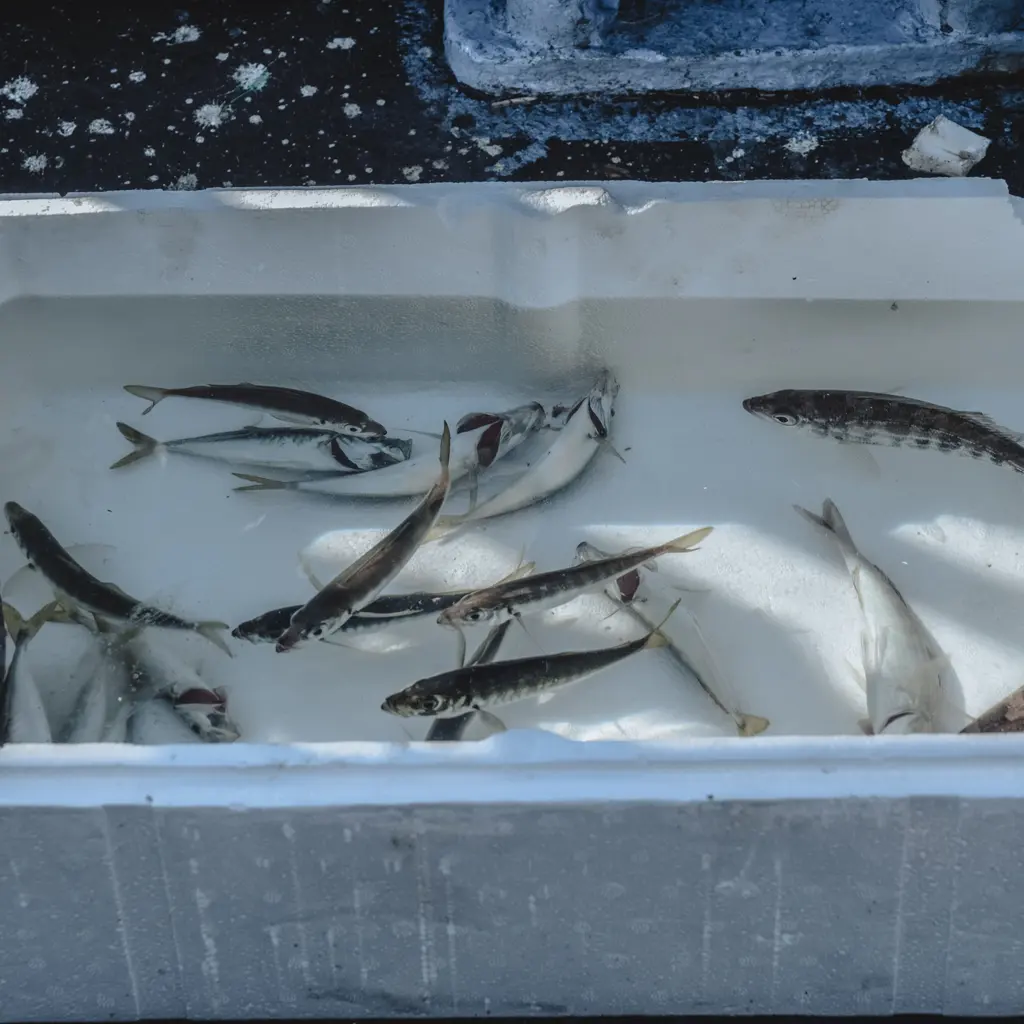
Your seafood packaging plant processes fish and shellfish that must remain in a strict cold chain from arrival to shipment. A failure in your refrigeration or a listeria contamination event could jeopardize your inventory and your reputation.
The Southern Agency can review your species, raw or ready-to-eat formats and cold-storage arrangements to help you choose insurance. We can compare cooling and utility interruptions with product harm and withdrawal expenses, including the actual sanitation, buyer specifications and shipment stages your plant undertakes.
A cooler or freezer breakdown can spoil large quantities of high-value seafood within hours when the cold chain is interrupted.
Ready-to-eat seafood carries listeria and pathogen risk that can lead to recalls and serious bodily-injury claims.
Improper temperature control in certain fish can form histamine, creating a distinct contamination and illness exposure.
Large stocks of fresh and frozen product mean a single covered loss can carry a substantial price tag.
Slippery floors, cutting tools, ammonia refrigerant, and cold environments expose plant staff to injury.
Failure of freezers, ice machines, or packaging equipment can halt processing and threaten temperature-sensitive product.
Retail and export buyers impose strict specifications, traceability, and insurance requirements that affect liability.
Policies to ask about. Which ones fit depends on your operations, your contracts, and the carrier’s forms.
These hypothetical examples are not agency claim results. Whether a loss is covered depends on the facts, policy terms, and applicable exclusions.
A freezer system fails overnight and a large frozen seafood stock thaws and spoils. Property and equipment breakdown coverage may help with the loss, depending on policy terms and the cause. Check covered cooling/utility cause, stock values and locations; natural decay or a rejected temperature record alone is different.
A test detects listeria in ready-to-eat product and a recall follows. Product liability and recall coverage may respond to costs, subject to the specific policy and the facts. Separate eligible withdrawal/replacement from covered harm; positive testing does not establish every expense.
A processing employee slips on a wet floor and is injured. Workers' compensation may respond to medical and wage costs, depending on policy terms and jurisdiction. Employment/jurisdiction and injury terms govern benefits; independent carrier injuries may have different employers.
Start with the work you do and the questions your current policies leave unanswered. Carrier options depend on your location, risk, and underwriting. Explore our approach.
Spoilage from a covered equipment breakdown may be addressed under equipment breakdown and property coverage. Coverage depends on the cause and the specific policy terms.
If contaminated seafood causes illness, product liability may respond to injury claims. Coverage depends on the specific policy, endorsements, exclusions, and the facts of the claim.
Use actual ready-to-eat lots and hazard/release records, not merely the seafood label. Products liability concerns covered harm to others, not automatically withdrawal. Recall/contamination cover needs an eligible event, insured product and purchased expenses; quality rejection, refunds, rework and routine spoilage are not automatic cover.
Cold-storage values can swing significantly. Peak limits or reporting forms may help match coverage to actual stock, subject to underwriting and policy terms.
Workers' compensation commonly responds to cuts, slips, and cold-related injuries in a packaging plant. Requirements depend on your state and operations.
Bring your questions, current policies, and relevant contracts. An agent can review coverage terms, exclusions, and the information carriers ask for, then explain the options available to you.