

Pathogen contamination and rapid recall
Ready-to-eat foods may be consumed without a further pathogen-control step, so listeria or cross-contamination can quickly cause illness and a recall.
Try a different word, or check the spelling.
Your stock may reach the end of its saleable life while a batch is on a quality hold, even without damaged machinery. Spoilage, product liability, and retailer-contract terms need to be understood separately.
The Southern Agency can help you evaluate the food-safety and cold-chain risks critical to your perishable food processing business.
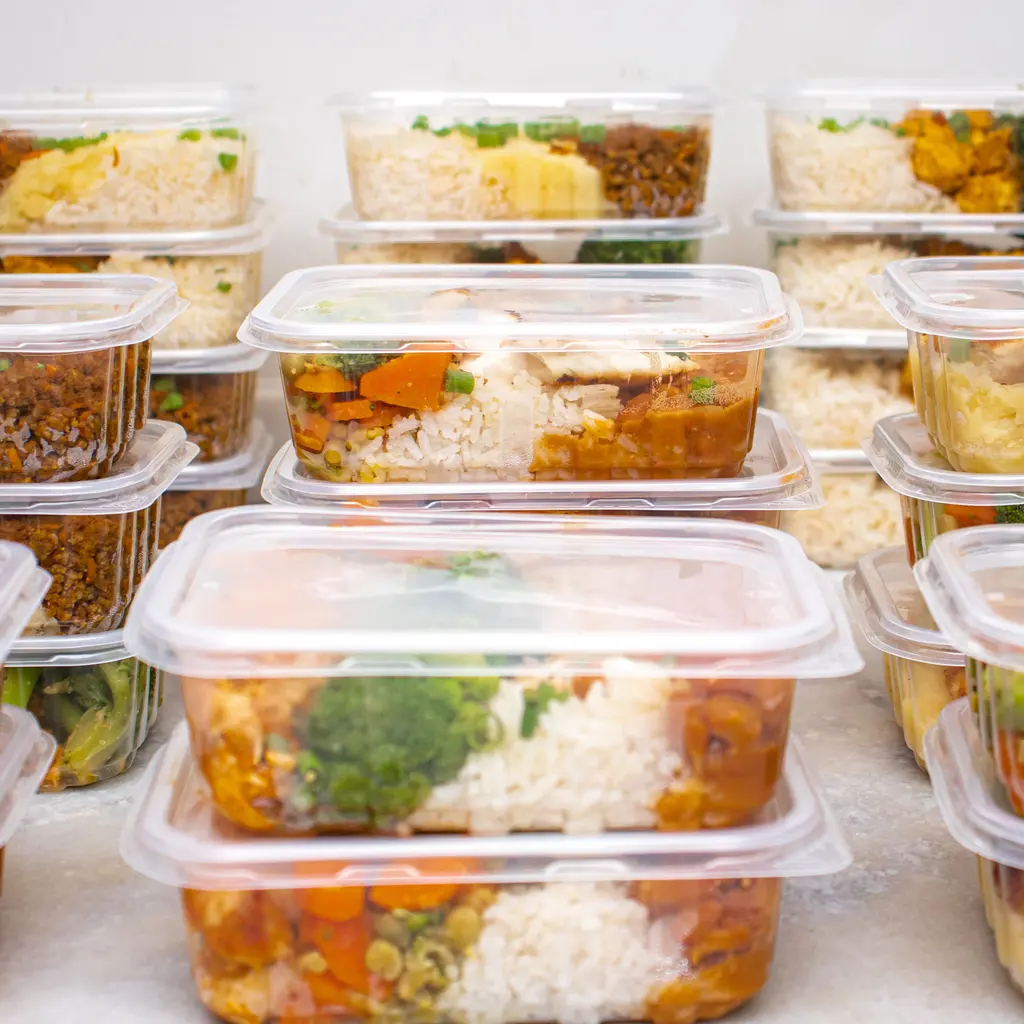
You produce ready-to-eat perishable foods, requiring rigid sanitation and refrigeration from assembly through delivery. Because your products have short shelf lives and are often sold under third-party brands, a contamination event or cold-chain break can result in rapid spoilage and wide-reaching liability.
The Southern Agency can review your preparation methods, refrigeration and private-label agreements to help you select insurance. We can compare protection for stock and lost production after a covered cooling failure with product liability and recall terms, without assuming every missed delivery or retailer charge is insured.
Ready-to-eat foods may be consumed without a further pathogen-control step, so listeria or cross-contamination can quickly cause illness and a recall.
A refrigeration failure or power loss can spoil high-value perishable inventory and compromise food safety at once.
Tight shelf-life windows mean a delay, equipment fault, or quality hold can render large quantities of product unsellable.
Cooking, chilling, slicing, and packaging machinery are essential, and a failure can halt production of time-sensitive items.
Producing under retailer or other brands creates contractual obligations and liability if a product issue arises.
Cooking heat, blades, and repetitive assembly in cold environments expose staff to burns, cuts, and strain injuries.
Policies to ask about. Which ones fit depends on your operations, your contracts, and the carrier’s forms.
These hypothetical examples are not agency claim results. Whether a loss is covered depends on the facts, policy terms, and applicable exclusions.
Testing links a packaged salad to listeria and the product is recalled. Product liability coverage may respond to resulting illness claims, depending on policy terms, endorsements, and the facts of the loss. Check covered consumer harm separately from eligible withdrawal/disposal and replacement.
A refrigeration unit fails overnight and ruins a day's prepared meals. Equipment breakdown and property coverage may help with covered spoilage, subject to policy terms and exclusions. Confirm covered cooling cause and stock/income inclusion, dates, and valuation.
A quality hold delays shipment until product is past its sell window. Coverage for resulting loss depends on the specific policy, endorsements, and whether a covered cause applies. A precautionary hold, missed sell window, or ordinary expiration is not automatically covered; identify an insured event and purchased costs before promising reimbursement.
Start with the work you do and the questions your current policies leave unanswered. Carrier options depend on your location, risk, and underwriting. Explore our approach.
Ready-to-eat products may be consumed without a further pathogen-control step; ready-to-heat items need their actual instructions reviewed. Describe controls and intended use, then compare covered illness liability with separately eligible recall costs.
Tight windows mean delays or holds can quickly waste inventory. Property and spoilage limits should reflect fast turnover, and coverage depends on the specific policy and exclusions.
Equipment breakdown and property coverage may respond to repairs and covered spoilage when a covered cause idles refrigeration, subject to policy terms and the cause of loss.
It can, since producing under another brand adds contractual liability. Contracts and coverage should reflect those obligations, depending on the arrangements and policy terms.
Map shared components, private labels, and short-date destinations. Products liability concerns covered harm to others, not automatically withdrawal. Recall/contamination cover needs an eligible event, insured product and purchased expenses; quality rejection, refunds, rework and routine spoilage are not automatic cover.
If you operate trucks to deliver perishable product, business auto is commonly needed, and transit extensions may help with spoilage in transit, subject to policy terms.
Bring your questions, current policies, and relevant contracts. An agent can review coverage terms, exclusions, and the information carriers ask for, then explain the options available to you.