

Oven and press burn injuries
Continuous high-temperature ovens, comales, and presses expose line workers to burns and contact injuries throughout each shift.
Try a different word, or check the spelling.
Your route schedule depends on fresh tortillas leaving the line with saleable life still ahead. Vehicle, cargo and equipment protection need coordinated terms without assuming every delayed load or idle production run is insured.
The Southern Agency can help you protect your plant, hot-process equipment, and delivery operations.
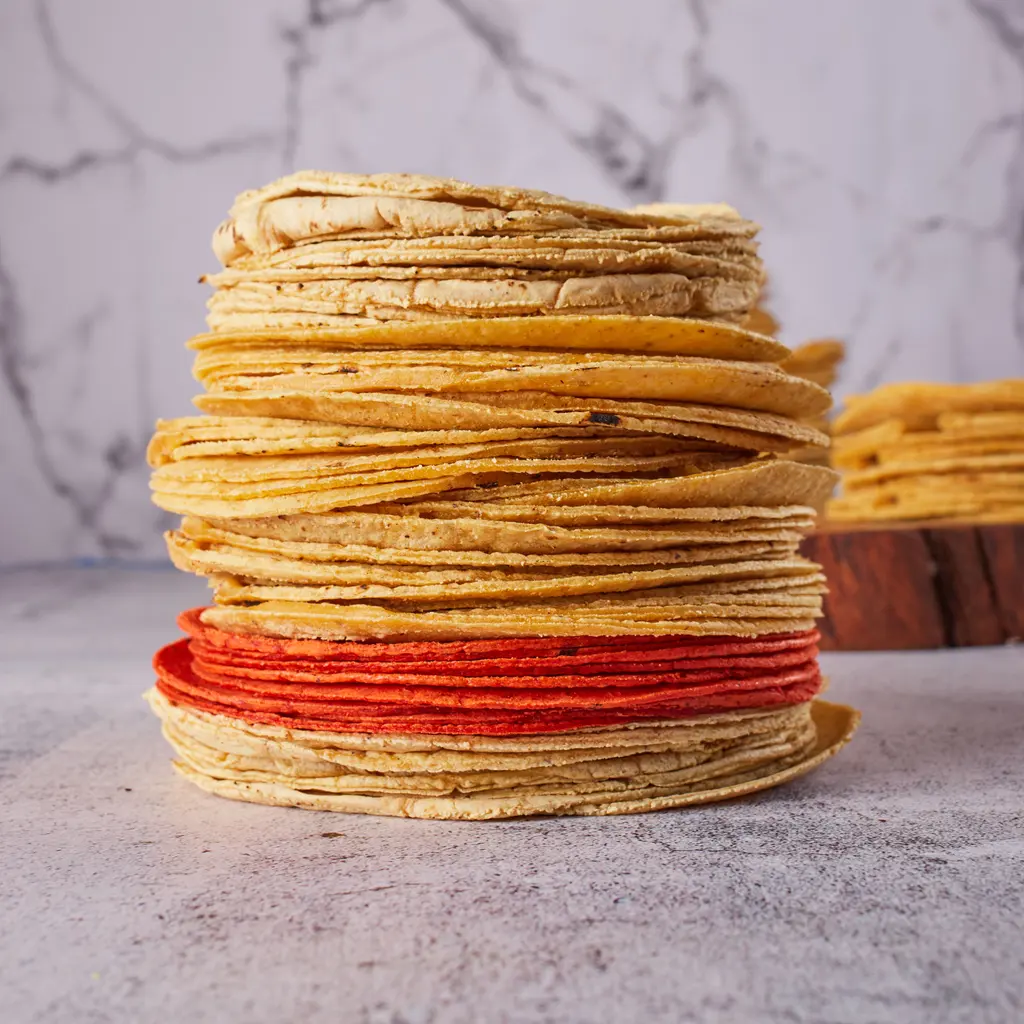
You run high-speed lines to produce and distribute fresh tortillas with short shelf lives. Equipment breakdowns can stall your deliveries, while managing a fleet and handling hot ovens creates risks for both your products and your staff.
The Southern Agency can review your production speed, delivery routes, and safety protocols to help choose insurance, such as vehicle coverage for your fleet or equipment breakdown for your presses.
Continuous high-temperature ovens, comales, and presses expose line workers to burns and contact injuries throughout each shift.
Foreign material, contamination, or undeclared wheat allergens in flour tortillas can trigger recalls and bodily-injury claims downstream.
Handling and conveying flour generates dust that can accumulate and ignite, adding fire risk to an already hot processing environment.
Short shelf-life tortillas and refrigerated stock spoil rapidly when ovens, refrigeration, or power fail, generating fast inventory loss.
Trucks and vans distributing fresh product to stores and restaurants create auto liability and cargo exposure on daily routes.
Failure of ovens, presses, mixers, or refrigeration can halt a continuous line and idle perishable inventory and crews.
Policies to ask about. Which ones fit depends on your operations, your contracts, and the carrier’s forms.
These hypothetical examples are not agency claim results. Whether a loss is covered depends on the facts, policy terms, and applicable exclusions.
A refrigeration unit fails over a weekend and packaged tortillas spoil before shipment. Equipment breakdown and spoilage coverage may respond, depending on policy terms and the specific endorsements in place. Check covered cooling/utility cause, stock inclusion, and short-date value; ordinary expiry differs.
A delivery van rear-ends another vehicle on a morning route and the load is lost. Business auto and cargo coverage may help with liability and the damaged product, subject to policy terms. Separate vehicle liability/physical damage from cargo owner/cause, spoilage, and delivery penalties.
Flour tortillas reach shelves without proper allergen labeling and a recall follows. Product liability coverage may respond to resulting claims, depending on the specific policy and exclusions. Separate covered allergic harm from eligible withdrawal/replacement; label omission does not establish every expense.
Start with the work you do and the questions your current policies leave unanswered. Carrier options depend on your location, risk, and underwriting. Explore our approach.
If the plant delivers product with its own trucks or vans, business auto is commonly needed for collision and liability on daily routes. Coverage depends on the specific policy and operations.
Equipment breakdown with spoilage endorsements may respond when refrigeration or ovens fail and perishable stock is lost. Coverage depends on the policy, endorsements, and exclusions.
Tortillas reach grocery and restaurant customers quickly, so a contamination or allergen issue can spread fast. Product liability may help respond to resulting claims, subject to policy terms.
Flour handling generates combustible dust, so insurers often review housekeeping and fire protection. Strong controls may affect insurance terms, depending on the policy and underwriting.
Equipment breakdown coverage may respond to repair costs and resulting loss when ovens, presses, or mixers fail on a continuous line, depending on policy terms.
Grocery and foodservice buyers often require certificates and minimum limits. We can help structure coverage to meet those terms, though availability depends on underwriting.
Bring your questions, current policies, and relevant contracts. An agent can review coverage terms, exclusions, and the information carriers ask for, then explain the options available to you.